



A Single Earnings Report Hits the Brakes
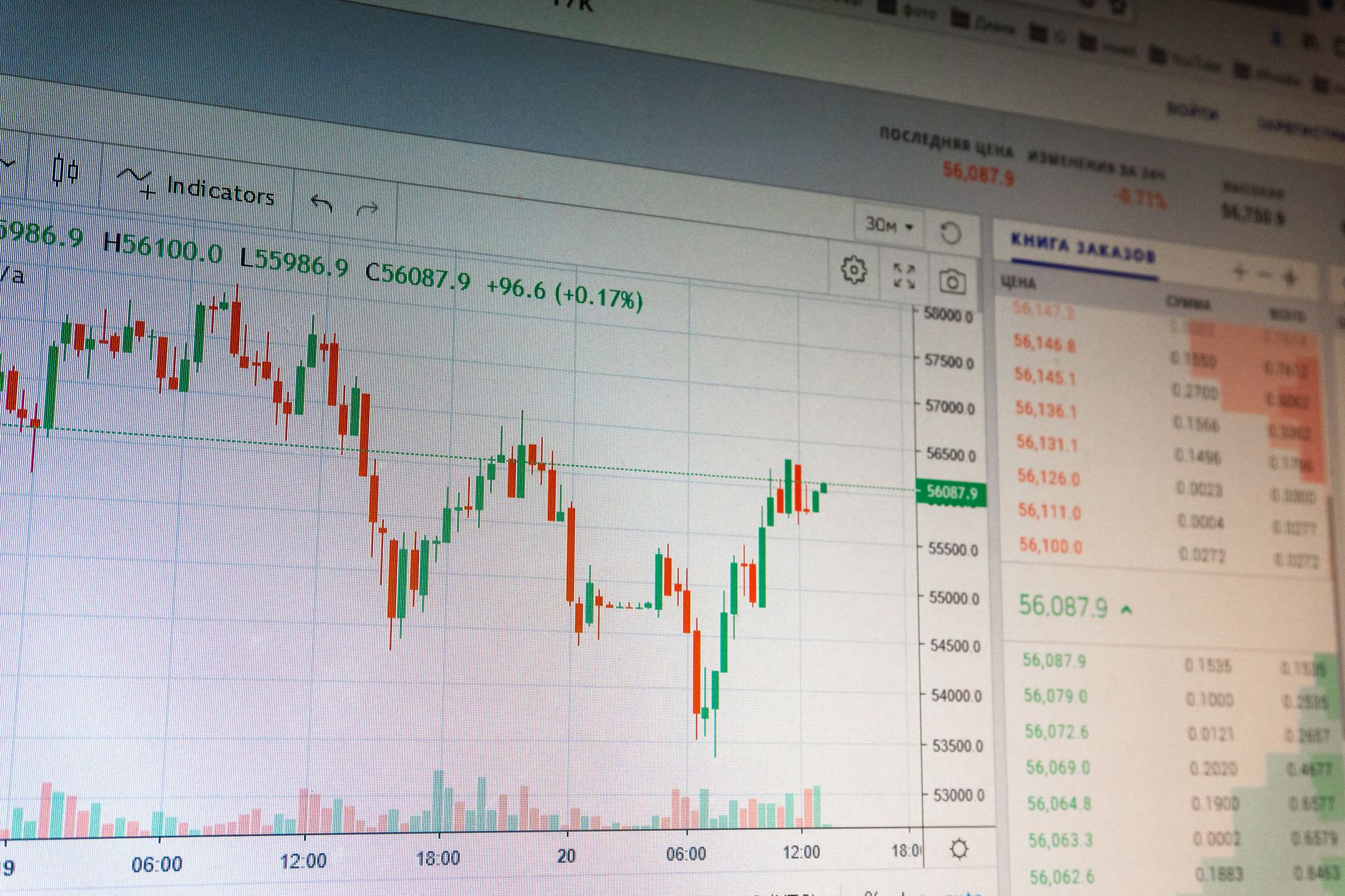
Thursday’s premarket session turned cautious as S&P 500 and Nasdaq 100 futures both moved lower, with Broadcom’s revenue miss serving as the immediate trigger. Chip stocks felt the pressure first, dragging the broader technology-heavy index down in early trading. After weeks of climbing toward record highs, equity markets were already stretched, and a disappointment from one of the semiconductor sector’s most closely watched names was enough to shift the mood.
Investors pulled back.
The pause reflects something straightforward: markets that have just reached record territory carry little cushion when earnings disappoint. When the rally is built on expectations of continued strength in semiconductors – and one of the sector’s flagships falls short on revenue – the recalibration is swift. Futures don’t need a crisis to fall; they just need a reason to stop rising.
What Broadcom’s Miss Actually Signals
Broadcom’s revenue shortfall landed at a sensitive moment for chip stocks broadly. The semiconductor space had been one of the primary engines behind the Nasdaq’s run toward record levels, with investors pricing in sustained demand from artificial intelligence infrastructure, data center buildouts, and enterprise hardware cycles. A revenue miss from Broadcom doesn’t necessarily mean those tailwinds have reversed – but it does mean the numbers aren’t matching the optimism that’s been baked into valuations.
The Nasdaq 100 futures led the declines, which tells you where the weight of the selling was concentrated. Technology stocks, and chip names in particular, have an outsized influence on that index. When a company like Broadcom stumbles, the ripple moves quickly through the sector because traders reconsider whether other names carrying similar expectations might also disappoint when their earnings come due.
S&P 500 futures also fell, though the Nasdaq 100’s steeper decline shows the selloff was targeted rather than a broad panic. Energy, financials, and consumer staples don’t carry the same sensitivity to chip earnings. The divergence between the two indexes on Thursday morning was itself a useful data point: this was a sector-specific recalibration, not a wholesale retreat from equities.
Record Highs Make Every Dip Feel Heavier
The timing matters here. Equity markets had just posted a strong rally to record highs, meaning Thursday’s futures decline arrived at the exact moment when investors were already weighing whether the run had gone far enough, fast enough. That psychological context amplifies the response to negative news. A Broadcom miss in the middle of a flat, directionless market would likely generate a more muted reaction than the same miss after an extended climb to all-time highs.
Equity investors described the session as a breather – which is a measured way of saying the market needed an excuse to consolidate, and Broadcom provided one. Record highs are not self-sustaining. They require continuous positive data to justify prices at the top of the range, and when that data cracks even slightly, profit-taking accelerates. The investors who bought into the rally at lower levels have every incentive to reduce exposure at peak prices when a negative catalyst arrives.
Futures markets, by their nature, react quickly to any signal that the underlying thesis for a rally might be softening. The gap between where futures settle overnight and where stocks actually open can narrow or widen depending on what happens between Thursday’s premarket session and the opening bell – but the direction of travel set by Broadcom’s results is already established before most retail investors check their portfolios.

Semiconductor Stocks Carry the Index Now
The concentration of index weight in semiconductor and technology names means that when chip stocks stumble, the major indexes move in the same direction whether or not the rest of the market has any reason to sell off. Broadcom sits at the center of that dynamic. Its revenue miss on Thursday didn’t happen in isolation – it happened inside an index structure where a handful of companies in a single industry have accumulated enough market capitalization to move the Nasdaq 100 on their own. The question traders will be watching into Friday is whether the selling in chip stocks deepens as more investors digest the Broadcom numbers, or whether buyers step back in on the dip with the view that one quarter’s shortfall doesn’t change the longer arc of semiconductor demand.