


Stitching a New Strategy
Popular clothing retailers are rolling out in-store repair services and hosting sewing workshops, betting that younger shoppers will respond to a pitch built around saving money and reducing waste. The move marks a measurable shift in how brands are thinking about customer retention – not through new product launches, but through extending the life of what people already own.
It is an unusual direction for an industry that has long run on volume, newness, and fast turnover. But with Gen Z shoppers carrying real financial pressure and a stated preference for sustainability, some retailers are deciding the repair counter might do more for loyalty than another seasonal sale.
The Economics Behind the Mending Trend
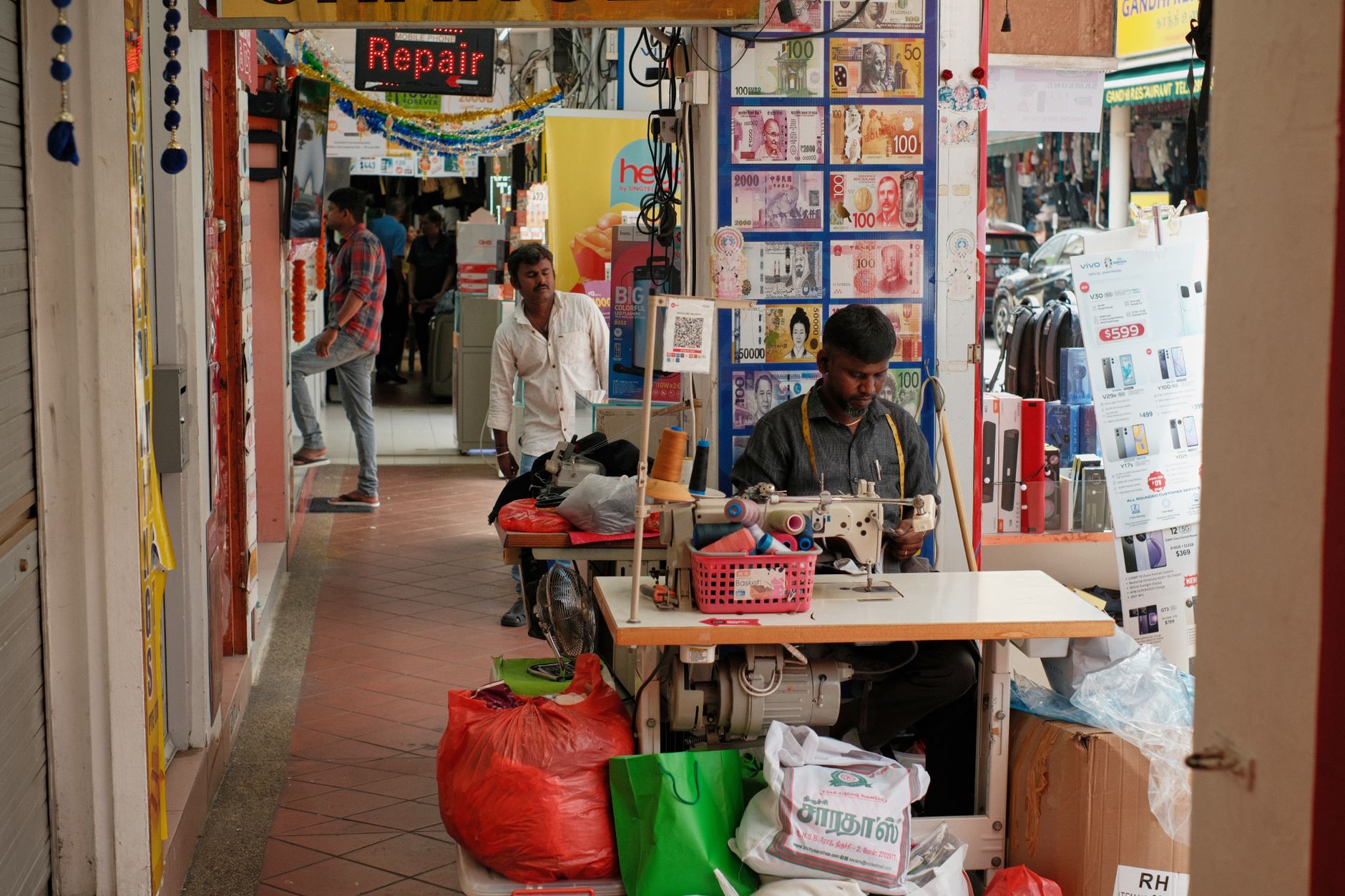
Offering repairs is not purely altruistic. When a brand fixes a jacket or replaces a zipper, it creates a transaction that brings a customer physically back into a store – or at least back into a relationship with the brand. That kind of repeat engagement is difficult to manufacture through advertising alone, and retailers know it. The in-store repair event or workshop becomes a reason to show up that has nothing to do with buying something new.
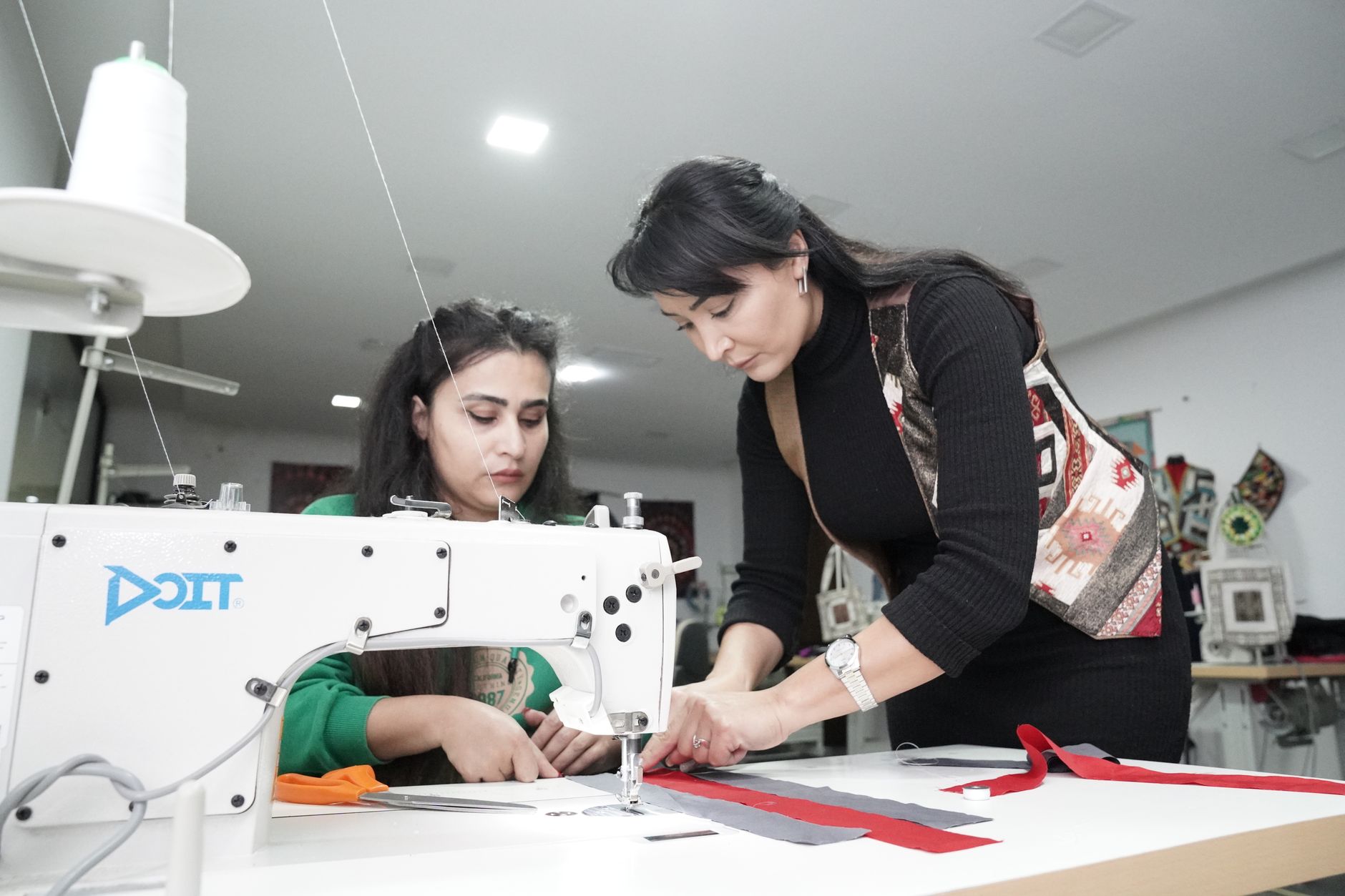
Sewing workshops carry a similar logic. A retailer that teaches a customer how to hem trousers or patch a worn knee is positioning itself as something other than a vendor. It becomes a resource. For younger consumers who grew up with YouTube tutorials and a DIY instinct, that framing lands differently than a discount coupon. The brand is no longer just selling – it is teaching, which builds a different kind of attachment.
There is also a cost argument that speaks directly to where Gen Z currently stands financially. Buying new clothes requires upfront spending. Repairing an existing piece, especially with help from a free or low-cost workshop, extends the useful life of something already paid for. For a generation managing rent, student debt, and an uncertain job market, that math is straightforward. Retailers are reading that correctly.
Where Sustainability Meets Self-Interest
The environmental angle is real but not sufficient on its own to drive foot traffic. What makes this strategy commercially interesting is that the sustainability pitch and the savings pitch are pointing in the same direction at the same time. Gen Z consumers do not have to choose between their values and their budget – keeping clothes longer serves both goals simultaneously.
That alignment is relatively new. For most of modern retail history, the environmentally conscious choice was also the more expensive one – organic cotton, slow fashion, boutique brands with ethical supply chains. The repair model flips that. The cheapest option and the greenest option are now the same option, and retailers are building programming around that overlap.
What This Costs Retailers – and What They’re Betting On
Running repair services and sewing workshops is not free. Brands absorb the cost of skilled staff, equipment, floor space, and time. In an environment where retail margins are already under pressure from e-commerce competition and shifting consumer habits, adding a service that does not directly generate a sale is a genuine financial bet. The return is indirect – stronger brand association, longer customer relationships, word-of-mouth from a demographic that shares experiences online.
The bet is essentially this: that the cost of hosting a mending workshop is lower than the cost of acquiring a new customer through conventional marketing. If a Gen Z shopper leaves a repair event with a better feeling about the brand, tells three people, and comes back six months later to actually buy something, the unit economics can work. It requires a longer time horizon than most retail promotions, but the underlying logic is not complicated.
There is also a differentiation argument. Most major clothing retailers are competing on the same ground – price, speed, trend cycle. Repair programming is distinct enough that it gets noticed. It generates press coverage. It becomes a story a brand can tell about itself that does not sound like every other brand’s story. For retailers trying to cut through noise with younger consumers who are increasingly skeptical of conventional advertising, that distinctiveness has real value.
The question retailers have not fully answered is whether this remains a genuine service or becomes a marketing exercise that Gen Z – a cohort with a finely tuned sense for corporate authenticity – eventually sees through. A workshop held once a quarter in a back corner of a flagship store reads differently than a committed, staffed, ongoing repair program. The execution will determine whether the strategy holds.

For now, clothing brands are making the wager that a needle and thread can do what a flash sale cannot: make a skeptical, financially stretched young consumer feel like the brand is actually on their side.