



When Infrastructure Becomes a Ballot Issue
Community resistance to data center construction has grown fast enough and loud enough to leave a mark on the midterm election landscape across the United States. What started as scattered local objections has compacted into a political force capable of disrupting the capital plans of the world’s largest technology companies – and pulling President Donald Trump into the role of industry defender-in-chief.
The fights playing out in rural counties and farming communities are no longer just zoning disputes. They have become tests of political will, pitting the infrastructure ambitions of trillion-dollar corporations against residents who feel the costs of that ambition land entirely on their side of the fence.
The Scale of Opposition
Opposition to data center projects has been building steadily in communities across the country, driven by concerns over water consumption, power grid strain, noise, and the conversion of agricultural land into industrial facilities. For many of these communities – particularly rural ones – the arrival of a proposed data center represents a fundamental change to the local economy and landscape, without the kind of tax base or employment return that residents feel justifies the disruption.
That sentiment has been strong enough to make data center development a live issue heading into midterm elections, forcing candidates at state and local levels to take positions on projects backed by some of the most financially powerful companies operating anywhere in the world. The political math is not simple: opposing a data center can mean opposing thousands of construction jobs and hundreds of millions in promised investment. Supporting one can mean facing constituents who are angry about electric bills, depleted water tables, and the permanent loss of farmland.

Big Tech Catches a Political Headwind
For companies that have spent years treating data center expansion as a largely logistical challenge – acquire land, secure power, build – the degree of organized public resistance has forced a recalibration. These are not niche objections from small advocacy groups. In multiple states, opposition has been organized enough to reach elected officials and shape legislation.
The companies facing this resistance include some of the wealthiest in the world. Their data center buildouts are directly tied to the infrastructure demands of artificial intelligence, cloud computing, and the broader digitization of commerce and communication. A slowdown in that construction pipeline is not an abstract risk – it is a constraint on the speed at which these companies can deploy services and generate revenue.
The political complications are compounding the economic ones. When local resistance translates into ballot-box pressure, it gives state legislators reasons to introduce permitting restrictions, water-use caps, or zoning changes that did not exist a year ago. Each new regulatory layer adds cost, delay, and uncertainty to projects that were already expensive and logistically demanding before local politics entered the equation.
The economic stakes extend beyond the tech companies themselves. Data centers require enormous amounts of electricity, and utilities in several states have had to renegotiate or revisit grid expansion plans to accommodate projected demand. When projects stall or get canceled, those utility investments can become stranded costs – a problem that ultimately filters through to ratepayers. The friction between corporate infrastructure timelines and democratic local governance is generating real financial consequences on multiple sides.
Trump Steps In
President Donald Trump has positioned himself as the industry’s most prominent advocate, offering a defense of data center development at a moment when the political winds in many communities are running in the opposite direction. Trump’s support matters to the industry not just symbolically but practically – federal policy on permitting, energy production, and land use can either accelerate or complicate large-scale construction projects, and having the White House as an ally shapes the regulatory environment in ways that local opposition cannot easily override.
His involvement also reframes the political debate. When the president frames data center construction as a national economic priority, it becomes harder for state and local officials to oppose projects purely on community grounds without also wading into a broader argument about American competitiveness and technological infrastructure. That dynamic does not silence opposition, but it does change the terms of the conversation.

What Gets Decided Before Election Day
The midterm dimension of this story is, in practical terms, a pressure test for how much weight local economic concerns can carry against a combination of federal support and corporate lobbying. Candidates who have taken hard positions against specific data center projects are now accountable for what happens next – whether projects proceed, stall, get modified, or get canceled entirely in response to community pressure.
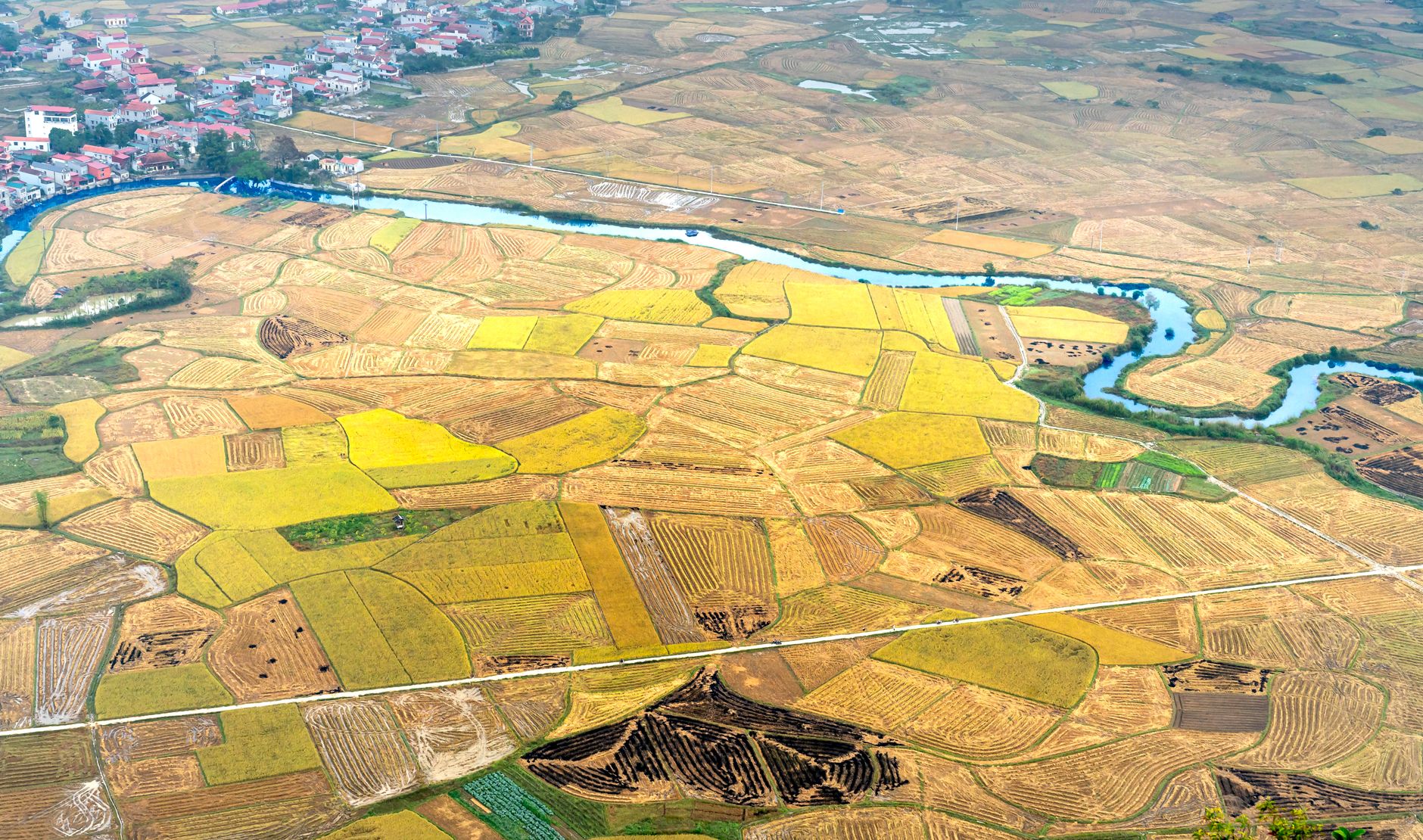
Several of the communities at the center of these fights are in rural areas where agricultural identity is not just cultural but economic. The concern that farmland converted to industrial use is farmland permanently removed from food production is not an abstract worry – it reflects actual land scarcity and the long-term economics of farming in regions where arable acreage is finite. A data center built on former cropland does not become a farm again.
The question that hangs over the next several months is whether the political pressure accumulating around these projects will be enough to materially alter development timelines or simply be absorbed into the cost of doing business at the scale these companies operate. In at least one state, opposition has already forced modifications to specific projects. Whether that represents a floor or a ceiling for what organized resistance can achieve is something the midterm results may start to answer – or leave frustratingly open.