



While Disney+ subscriber growth has plateaued and streaming losses mount, the House of Mouse has been quietly building a merchandise empire that’s becoming its most reliable profit engine. The company’s consumer products division generated over $5 billion in revenue last fiscal year, far outpacing the streaming service’s direct profitability.
This shift represents a fundamental change in how Disney monetizes its intellectual property. Where streaming services face intense competition and razor-thin margins, Disney’s merchandise machine operates with decades of perfected distribution channels and premium pricing power that competitors struggle to match.
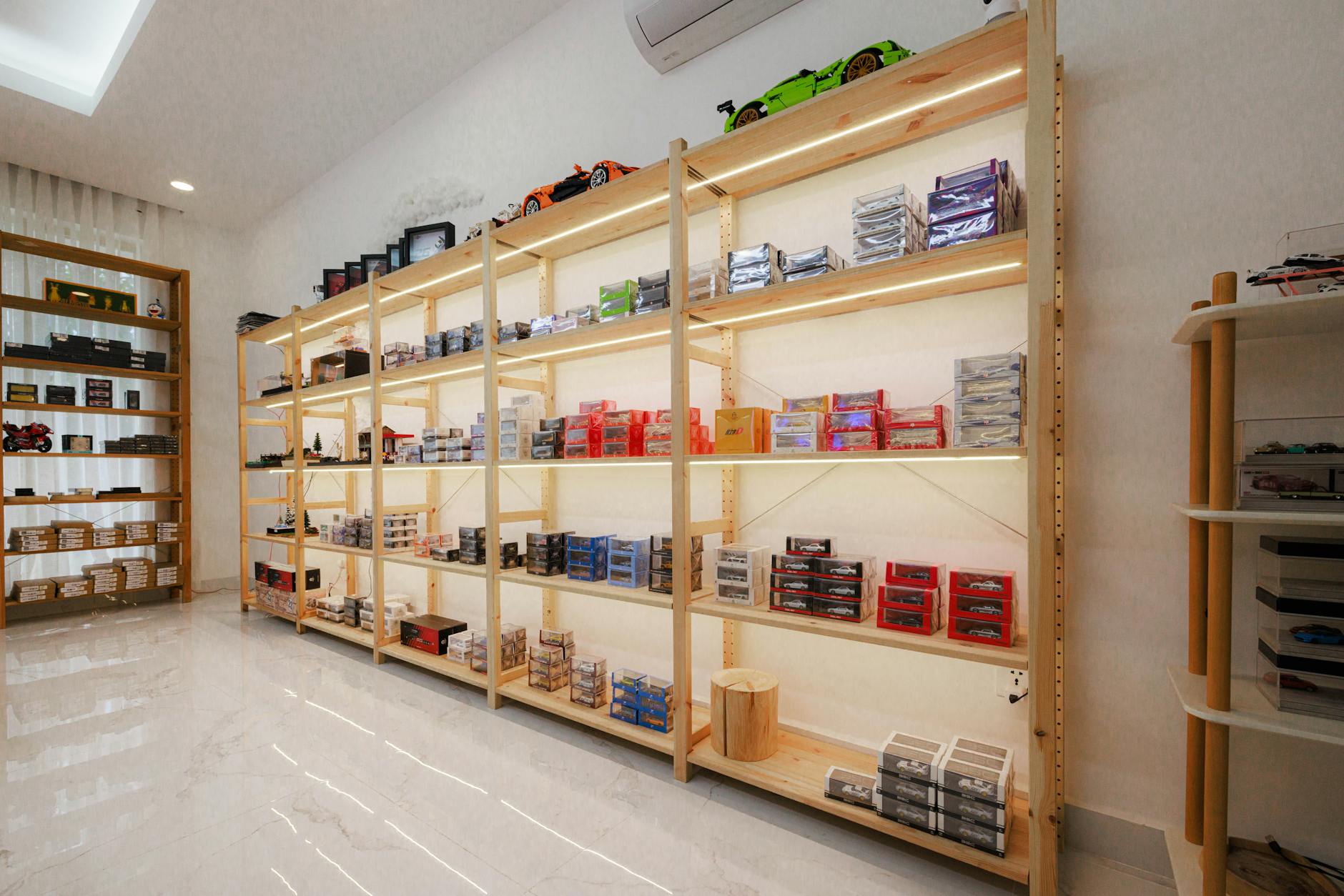
The Numbers Tell a Different Story
Disney’s Parks, Experiences and Products segment, which includes merchandise, reported $32.5 billion in revenue for fiscal 2023, compared to Disney+’s $20.2 billion. More importantly, the merchandise component within that segment operates at significantly higher profit margins than streaming.
The consumer products division alone saw 6% growth in the most recent quarter, driven by strong performance across key franchises including Marvel, Star Wars, and classic Disney properties. Meanwhile, Disney+ lost 4 million subscribers in the same period, highlighting the platform’s struggle to maintain growth momentum.
“Merchandise has always been Disney’s secret weapon,” explains media analyst Sarah Chen from Wedbush Securities. “While everyone focuses on streaming wars, Disney quietly dominates retail spaces worldwide with products that have generational staying power.”
The company’s licensing deals extend far beyond traditional toys and apparel. Disney characters appear on everything from luxury handbags to home appliances, creating multiple revenue streams from single intellectual properties. This diversification provides stability that streaming services, dependent on subscriber retention and content costs, cannot match.
Strategic Partnerships Drive Growth
Disney’s merchandise success stems from carefully cultivated partnerships with major retailers and manufacturers. The company’s collaboration with Target has produced exclusive collections that regularly sell out, while partnerships with high-end fashion brands like Gucci and Coach have elevated Disney properties into luxury markets.
The rise of adult collectors has particularly boosted revenue. Limited edition items, premium collectibles, and nostalgic merchandise targeting millennials who grew up with Disney properties have created new market segments. Funko Pop figures, high-end action figures, and collector’s edition items often command prices exceeding $100, demonstrating consumers’ willingness to pay premium rates for quality Disney merchandise.
Online sales have accelerated this trend. Disney’s shopDisney platform reported double-digit growth in recent quarters, benefiting from direct-to-consumer relationships that bypass traditional retail markups. The platform allows Disney to test new products quickly and gauge consumer interest before broader retail rollouts.
International markets present another growth avenue. Disney merchandise performs exceptionally well in Asia, where character-based products enjoy cultural acceptance and strong demand. The company’s Shanghai and Hong Kong parks have become testing grounds for merchandise concepts that later expand globally.

Streaming Challenges Highlight Merchandise Stability
While Disney+ faces increasing competition from Netflix, HBO Max, Apple TV+, and others, merchandise operates in a fundamentally different competitive landscape. Few companies possess Disney’s combination of beloved characters, global recognition, and distribution expertise.
The streaming industry’s profitability challenges have become increasingly apparent. Disney+ requires massive content investments to compete, with the company spending over $30 billion annually on content across all platforms. These costs, combined with subscriber acquisition expenses and platform maintenance, create ongoing financial pressure.
Merchandise, by contrast, leverages existing intellectual property with minimal additional development costs. A successful Disney movie can generate merchandise revenue for decades, long after streaming or theatrical revenue has peaked. Classic properties like Mickey Mouse, Winnie the Pooh, and Disney Princesses continue generating significant merchandise sales despite limited new content production.
The durability of Disney’s merchandise appeal became evident during the pandemic. While theme parks closed and movie releases delayed, merchandise sales remained relatively stable through online channels and essential retailer partnerships. This resilience demonstrated the business model’s strength during economic uncertainty.
Innovation Keeps Products Fresh
Disney continues innovating within merchandise categories to maintain consumer interest. The company has embraced technology integration, producing interactive toys, augmented reality experiences, and app-connected products that bridge physical and digital play.
Sustainability initiatives have also influenced product development. Disney has committed to reducing packaging waste and using recycled materials, responding to consumer environmental concerns while maintaining product quality. These efforts particularly resonate with younger consumers who prioritize sustainable purchasing decisions.
Seasonal merchandise strategies maximize revenue opportunities throughout the year. Holiday collections, back-to-school items, and event-specific products create regular purchasing occasions beyond movie tie-ins. Disney’s ability to align merchandise launches with cultural moments and celebrations provides consistent revenue streams independent of content release schedules.
The company has also expanded into experiential merchandise through its parks. Exclusive items available only at Disney locations create additional value for theme park visitors while supporting overall park profitability. Custom merchandise options, from personalized ears to build-your-own lightsabers, command premium prices while enhancing visitor experiences.
As Disney navigates streaming industry challenges and evolving entertainment consumption patterns, merchandise provides financial stability and growth potential that pure content strategies cannot match. The division’s consistent performance suggests Disney’s future success may depend less on subscriber counts and more on its ability to translate beloved characters into products consumers want to own.
The company’s merchandise dominance positions it uniquely among entertainment conglomerates. While competitors focus on content wars and platform battles, Disney has built a diversified revenue engine that transforms entertainment properties into tangible, profitable products across multiple market segments.
Frequently Asked Questions
How much revenue does Disney merchandise generate?
Disney’s consumer products division generated over $5 billion in revenue last fiscal year, significantly outperforming streaming profitability.
Why is Disney merchandise more profitable than streaming?
Merchandise operates with higher profit margins, leverages existing IP without massive content costs, and has established distribution channels worldwide.