


The Credit Revolution Happening in Your Shopping Cart
Traditional credit cards dominated consumer spending for decades, but a quiet revolution has been reshaping how Americans pay for everything from designer handbags to dental work. Buy Now Pay Later services have exploded from niche fintech startups into mainstream payment options, fundamentally challenging the century-old credit card industry.
The numbers tell the story: BNPL transactions surged 230% between 2020 and 2022, with Americans owing an estimated $24 billion across these platforms. What started as a convenience for online shopping has evolved into a comprehensive alternative to traditional credit, forcing banks and retailers to completely rethink consumer lending.
Major players like Klarna, Afterpay, Affirm, and Sezzle have turned installment payments into a seamless checkout experience. Unlike credit cards with their complex interest structures and minimum payment requirements, BNPL offers something deceptively simple: split your purchase into equal payments, often with zero interest if paid on time.
Why Consumers Are Abandoning Credit Cards
The appeal goes beyond convenience. BNPL services have tapped into fundamental frustrations with traditional credit that banks ignored for years. Credit cards often come with annual fees, high interest rates that can exceed 25%, and complex reward structures that benefit high spenders most.
Jessica Martinez, a 28-year-old marketing coordinator from Austin, switched to BNPL for most purchases after accumulating credit card debt in college. “With Afterpay, I know exactly what I’ll pay and when. There’s no surprise interest charges or minimum payment calculations,” she explains. “It feels more like budgeting than borrowing.”
Younger consumers especially appreciate the transparency. Generation Z and millennials, who witnessed the 2008 financial crisis and student debt explosion, approach credit differently than previous generations. They prefer predictable payments over revolving debt, even if it means smaller immediate purchasing power.
The demographic shift is striking: Federal Reserve data shows Americans under 35 increasingly avoid traditional credit cards, while BNPL usage peaks in the 25-34 age group. This generation grew up with subscription services and understands installment payments intuitively.
Behavioral psychology plays a role too. Credit cards create psychological distance from spending-swiping plastic doesn’t feel like “real money.” BNPL’s structure forces consumers to confront the actual cost upfront, potentially leading to more thoughtful purchasing decisions.
Retailers Rush to Integrate BNPL Options
Smart retailers recognized the shift early. Major brands from Nike to Peloton now prominently display BNPL options at checkout, often above traditional payment methods. The reason is simple: these services demonstrably increase sales.
Shopify reported that merchants offering BNPL see average order values increase by 20-30%. The psychology works in retailers’ favor-customers who might hesitate over a $300 purchase readily commit to four $75 payments. This “payment framing” effect has revolutionized online retail conversion rates.
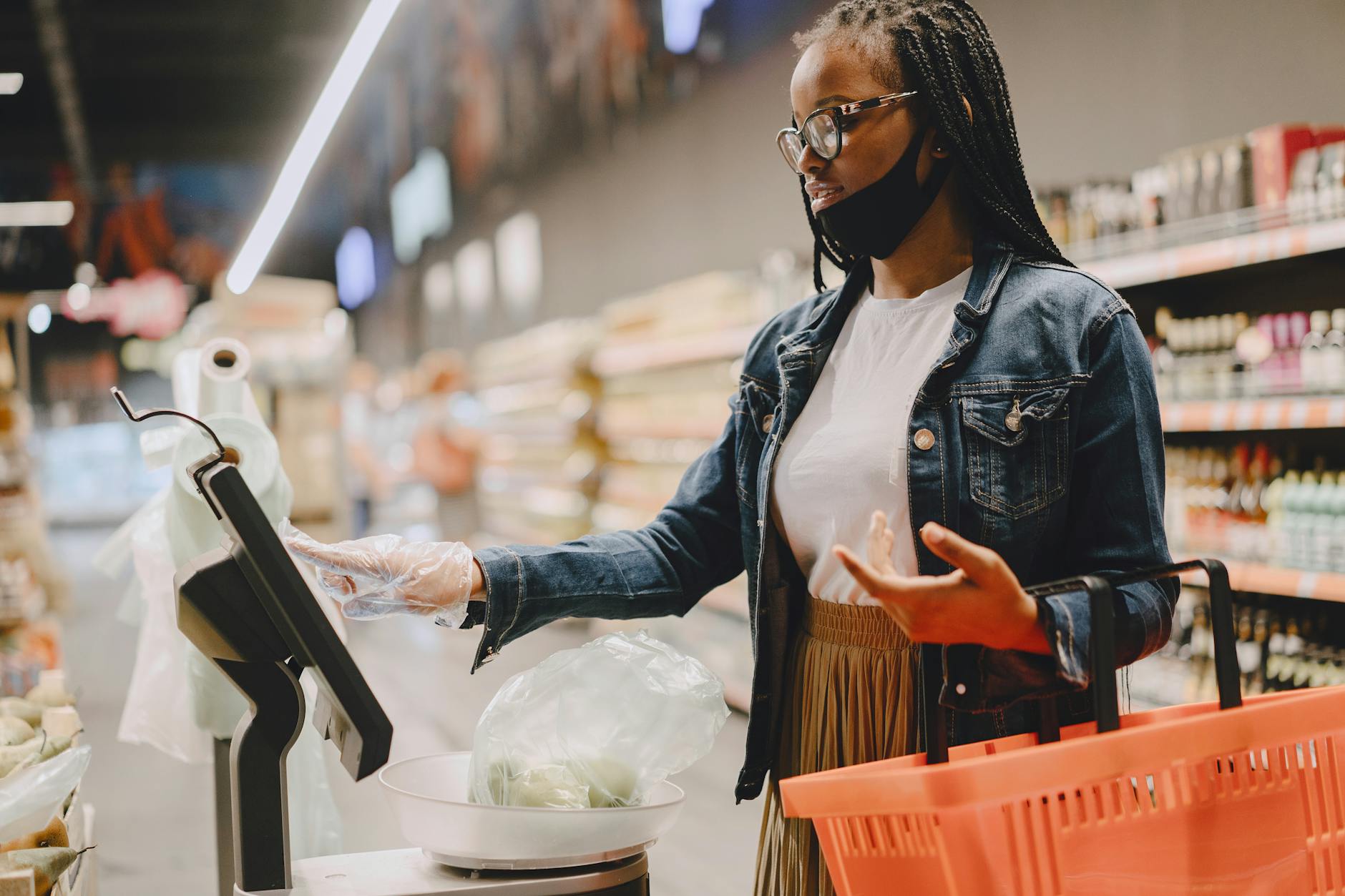
Target partnered with Sezzle specifically to capture younger shoppers who might otherwise abandon high-value carts. “We saw customers adding items then leaving at checkout,” explains a Target spokesperson. “BNPL dramatically reduced cart abandonment for purchases over $100.”
The integration extends beyond e-commerce. Physical retailers like Best Buy and Home Depot now offer BNPL for major purchases, recognizing that consumers prefer installments over store credit cards with high interest rates. Even luxury brands like Louis Vuitton and Gucci have quietly added these options, acknowledging that even affluent customers appreciate payment flexibility.
Restaurant chains are experimenting too. Some high-end establishments partner with BNPL providers for large group dinners or special events, turning expensive meals into manageable monthly payments.
Banks Fight Back With Their Own Innovations
Traditional financial institutions didn’t ignore this disruption. Major banks launched competing products, leveraging their existing customer relationships and regulatory experience.
Chase introduced “My Chase Plan,” allowing cardholders to convert large purchases into fixed monthly payments without interest. Bank of America offers similar flexibility through its “Plan It” feature. These bank-sponsored installment plans attempt to combine BNPL’s simplicity with credit cards’ established infrastructure.
The difference lies in approach. Banks still tie these features to existing credit products, requiring customers to have credit cards first. BNPL providers offer standalone solutions, appealing to consumers who want to avoid traditional credit entirely.
Credit unions have taken a different approach, emphasizing their member-focused structure. Many now offer low-interest installment loans for major purchases, positioning themselves as community alternatives to both big banks and fintech disruptors.
Apple’s entry with Apple Card Installments signals how seriously traditional players take this threat. By integrating BNPL directly into their ecosystem, Apple created a seamless experience that doesn’t require third-party providers.
The Future of Consumer Credit
Regulatory scrutiny is intensifying as BNPL usage grows. The Consumer Financial Protection Bureau has opened investigations into major providers, examining their credit reporting practices and fee structures. Unlike credit cards, BNPL transactions often don’t appear on credit reports, creating potential blind spots for lenders assessing borrower risk.
Some concerning trends have emerged. Studies show consumers using multiple BNPL services simultaneously, potentially overextending themselves without traditional credit monitoring safeguards. Default rates, while still relatively low, are climbing as economic pressures mount.
The industry’s response will likely determine its long-term viability. Leading BNPL providers are investing heavily in better underwriting technology and beginning to report payment history to credit bureaus. This evolution toward more traditional credit practices may reduce their initial appeal but improve regulatory standing.
Innovation continues accelerating. Newer entrants offer BNPL for rent, utilities, and even tax payments. Some providers are exploring cryptocurrency integration and international expansion. The concept of splitting any payment into installments appears increasingly universal.
As BNPL services mature from disruptive startups into established financial institutions, they’re fundamentally reshaping consumer expectations about credit. The traditional model of revolving debt with complex interest calculations may become a relic, replaced by transparent, time-limited payment plans that align better with how younger generations think about money and financial responsibility.
Frequently Asked Questions
How do Buy Now Pay Later services differ from credit cards?
BNPL offers fixed installment payments with transparent terms, while credit cards use revolving credit with variable interest rates and minimum payments.
Are Buy Now Pay Later services regulated like credit cards?
BNPL services face less regulation than traditional credit, though the CFPB has begun investigating their practices and consumer protection measures.