



While Wall Street obsesses over streaming wars and subscriber counts, Disney’s theme parks are quietly printing money at rates that would make even Mickey Mouse blush. The company’s parks division has become an unexpected powerhouse, generating revenue that consistently outpaces their much-hyped Disney+ streaming service.
Disney’s latest quarterly earnings reveal a stark contrast between their two major growth initiatives. Parks, Experiences and Products generated $8.16 billion in revenue during their most recent quarter, while Direct-to-Consumer services, which includes Disney+, brought in $5.78 billion. This represents a significant gap that continues to widen as theme park attendance rebounds from pandemic lows.
The numbers tell a compelling story about consumer behavior and Disney’s business model. Despite massive investments in streaming content and technology, the magic of physical experiences continues to drive more revenue than digital entertainment. Families are choosing to spend their discretionary income on vacations to Walt Disney World and Disneyland rather than adding another streaming subscription to their monthly bills.
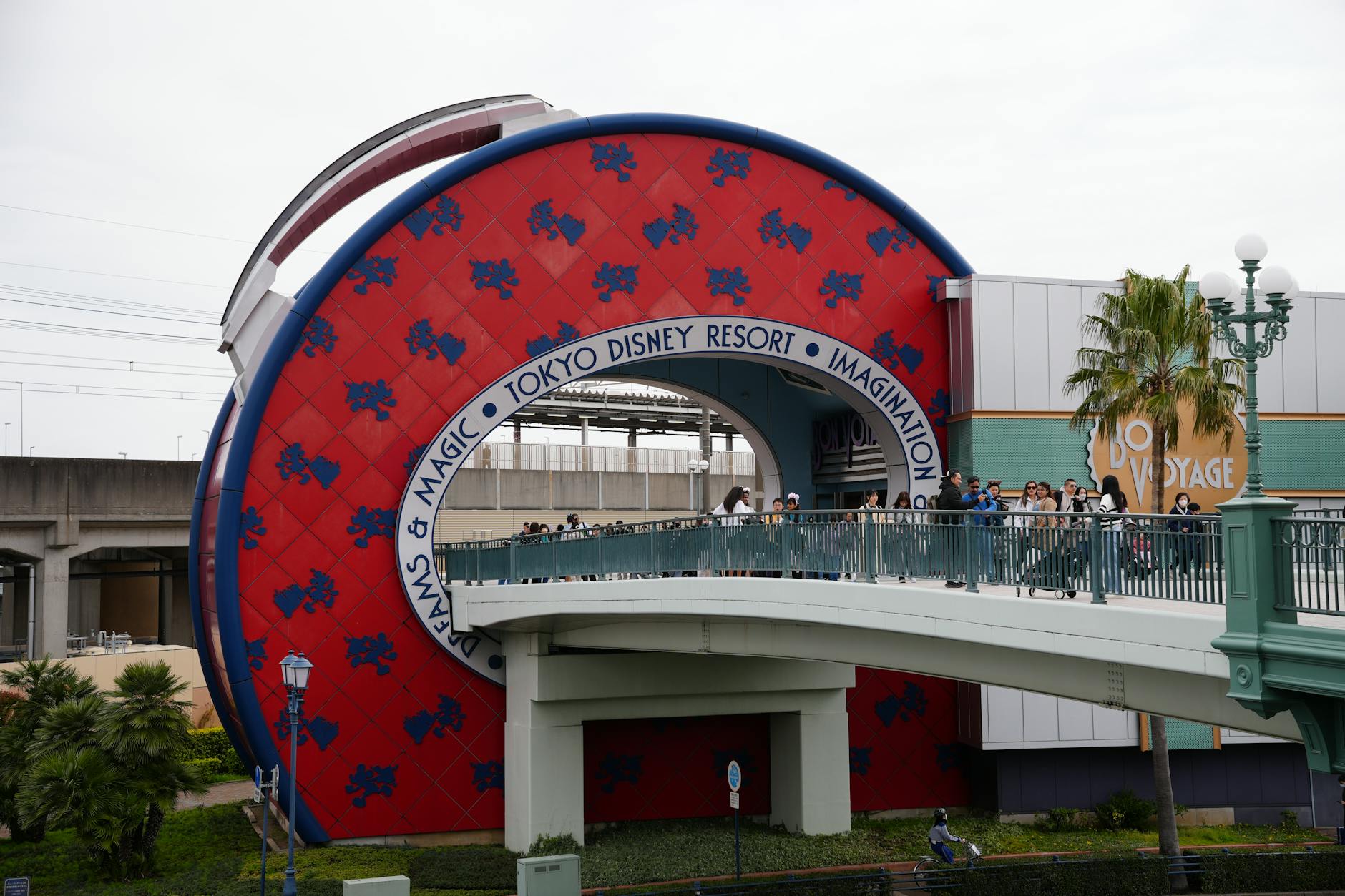
Theme Parks Drive Record-Breaking Performance
Disney’s parks division has experienced remarkable growth, with revenue increasing 13% year-over-year in their latest quarter. This surge stems from multiple factors working in the company’s favor. Higher ticket prices, increased food and merchandise spending, and the successful implementation of paid services like Genie+ have all contributed to stronger per-guest spending.
The average guest now spends significantly more during their Disney vacation compared to pre-pandemic levels. Premium dining experiences, exclusive after-hours events, and luxury resort accommodations command top dollar from visitors who view their Disney trip as a once-in-a-lifetime experience worth the investment.
International visitors have returned to Disney parks in force, particularly at Walt Disney World in Florida. The weak dollar has made American destinations more attractive to international tourists, while pent-up demand for travel has created a perfect storm of increased attendance and spending.
Disney’s park operations have also benefited from strategic capacity management and dynamic pricing models. By adjusting ticket prices based on demand and implementing reservation systems, Disney has optimized revenue while managing crowd levels. This approach has proven more profitable than the pre-pandemic model of maximizing attendance without regard for guest experience or spending patterns.
Streaming Faces Growing Competition and Costs
Disney+ launched with tremendous fanfare and rapid subscriber growth, reaching over 100 million subscribers faster than any streaming service in history. However, the streaming landscape has become increasingly competitive and expensive to maintain. Content creation costs continue to escalate as Disney competes with Netflix, Amazon Prime, and HBO Max for both subscribers and top-tier talent.
The streaming division faces unique challenges that don’t affect theme parks. Content must be constantly refreshed to retain subscribers, requiring massive ongoing investments in new shows, movies, and exclusive programming. A single Marvel series can cost over $100 million to produce, yet subscribers can consume the entire season in a weekend and then question the value of their monthly subscription.
International expansion has proven costly for Disney+, requiring localized content and marketing investments with uncertain returns. Different regions have varying subscription price sensitivities, forcing Disney to compete on price while absorbing higher content and operational costs.
The streaming wars have also led to pricing pressures that limit revenue growth. While Disney has raised subscription prices several times, they must balance increases against subscriber churn and competitive positioning. Theme parks, conversely, have demonstrated remarkable pricing elasticity, with demand remaining strong despite significant price increases.
The Experience Economy Advantage
Disney’s theme park success reflects broader trends in consumer spending patterns. The experience economy has gained momentum as millennials and Gen Z prioritize memorable experiences over material possessions. Disney parks offer something streaming services cannot replicate: immersive, shareable experiences that create lasting memories.
Social media has amplified the value of Disney park visits, turning attractions into Instagram-worthy content that drives organic marketing. Guests eagerly share photos from Galaxy’s Edge, their character dining experiences, and fireworks shows, creating a marketing multiplier effect that streaming content rarely achieves.
The parks also benefit from merchandise sales that generate additional revenue streams. Guests purchase souvenirs, apparel, and collectibles at significantly higher margins than digital content. A $30 Mickey ear headband costs far less to produce than an hour of premium streaming content, yet provides similar customer satisfaction and brand engagement.
Disney’s ability to create emotional connections through physical experiences gives parks a competitive moat that streaming services struggle to replicate. Meeting beloved characters, riding iconic attractions, and participating in magical moments creates brand loyalty that transcends simple entertainment consumption.
Strategic Implications for Disney’s Future
The revenue gap between parks and streaming has important implications for Disney’s strategic priorities and resource allocation. While streaming remains important for long-term growth and brand building, the immediate financial returns from theme parks are undeniable and sustainable.
Disney has responded by announcing significant theme park expansions and improvements. New attractions based on popular franchises like Frozen, Marvel, and Star Wars continue to drive attendance and spending. The company is also exploring new revenue streams within parks, including exclusive experiences and premium services that command higher prices.

The success of Disney’s cruise line and Disney Vacation Club timeshare program demonstrates the strength of the broader experiences business. These segments complement theme parks while providing recurring revenue streams and deeper customer relationships.
Looking ahead, Disney appears positioned to maintain this revenue advantage through continued theme park innovation and expansion. New park developments in international markets, coupled with ongoing attraction additions at existing locations, should sustain growth momentum while streaming services mature and face increasing competitive pressures.
Disney’s theme park revenue dominance over streaming reflects fundamental differences in business models and consumer behavior. As the company continues investing in magical experiences while navigating streaming challenges, the parks division’s financial strength provides a stable foundation for long-term growth and innovation.
Frequently Asked Questions
How much more revenue do Disney parks make than Disney+?
Disney’s parks division generated $8.16 billion compared to $5.78 billion from their streaming services in the latest quarter, a gap of $2.38 billion.
Why are Disney parks more profitable than streaming?
Parks benefit from higher per-guest spending, premium pricing power, merchandise sales, and lower ongoing content costs compared to streaming’s expensive content creation requirements.