

DoorDash, Uber Eats, and Grubhub aren’t just delivering meals anymore – they’re becoming real estate moguls. These platforms have quietly transformed from simple delivery services into sophisticated property investment operations, capitalizing on the ghost kitchen revolution to generate revenue streams far beyond commission fees.
The shift represents a fundamental change in how food delivery companies view their business model. Instead of relying solely on order volume and delivery fees, major platforms are now acquiring, developing, and managing physical kitchen spaces that generate rental income, operational fees, and data monetization opportunities.
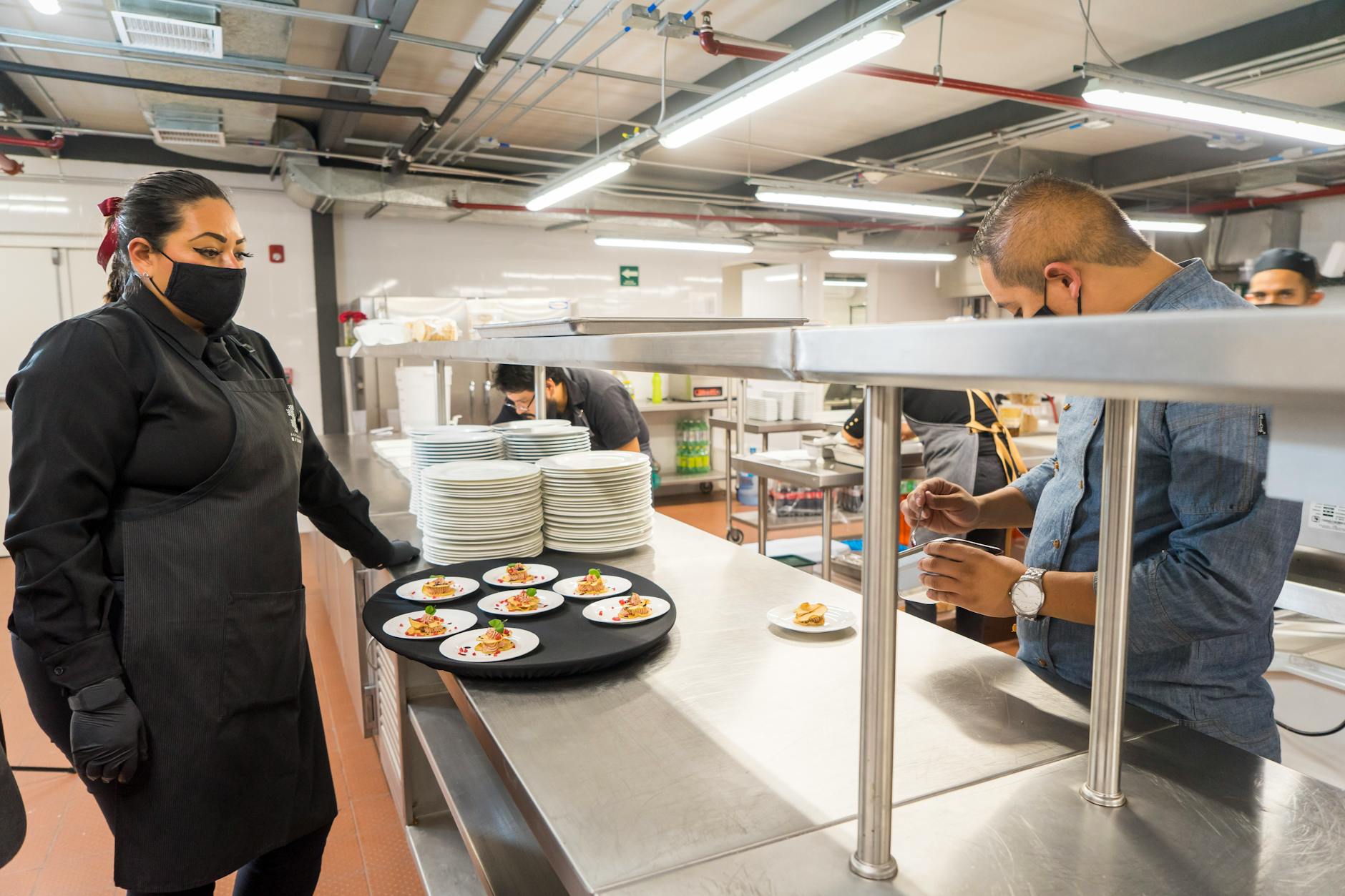
Ghost kitchens – commercial cooking facilities designed exclusively for delivery orders without traditional restaurant dining spaces – have become the perfect vehicle for this real estate play. These facilities require less square footage than full-service restaurants, can house multiple brand concepts under one roof, and generate consistent revenue through both food sales and property management.
Platform-Owned Kitchen Networks Generate Multiple Revenue Streams
DoorDash launched DoorDash Kitchens in 2019, establishing company-owned ghost kitchen facilities in major metropolitan markets. These locations house multiple restaurant partners under shared cooking infrastructure, allowing the platform to collect rent from tenants while maintaining control over the delivery ecosystem.
The company’s Redwood City facility in California operates as a flagship model, housing over a dozen restaurant concepts in a single 7,000-square-foot space. DoorDash generates revenue through monthly rental fees, shared utility costs, equipment leasing, and enhanced commission rates from participating restaurants.
Uber Eats has pursued a similar strategy through partnerships with existing commercial kitchen operators. Rather than building facilities from scratch, Uber provides financing and operational support to kitchen developers in exchange for preferential lease terms and revenue sharing agreements.
CloudKitchens, backed by former Uber CEO Travis Kalanick, represents the most aggressive approach to ghost kitchen real estate investment. The company acquires underutilized commercial properties in urban areas, converts them into multi-tenant kitchen facilities, and partners with delivery platforms to ensure consistent order flow.
These arrangements create multiple monetization opportunities: base rent collection, utility and service fees, equipment financing, insurance partnerships, and enhanced data access from tenant operations. Platforms can also negotiate exclusive delivery rights or reduced commission rates in exchange for below-market rental terms.
Strategic Location Selection Drives Property Value Appreciation
Food delivery platforms leverage their vast order data to identify optimal locations for ghost kitchen investments. Companies analyze delivery density patterns, average order values, and cuisine preferences to pinpoint neighborhoods with strong demand but limited restaurant infrastructure.
This data-driven approach to real estate selection has proven remarkably effective. Ghost kitchen facilities consistently achieve higher utilization rates than traditional commercial kitchen spaces because platforms can guarantee baseline order volume through their existing customer networks.
Grubhub’s partnership with Reef Technology demonstrates this strategy in action. Reef converts parking lots and underutilized urban spaces into modular kitchen facilities, while Grubhub provides demand forecasting and marketing support to ensure tenant success. The partnership has expanded to over 30 markets across the United States.
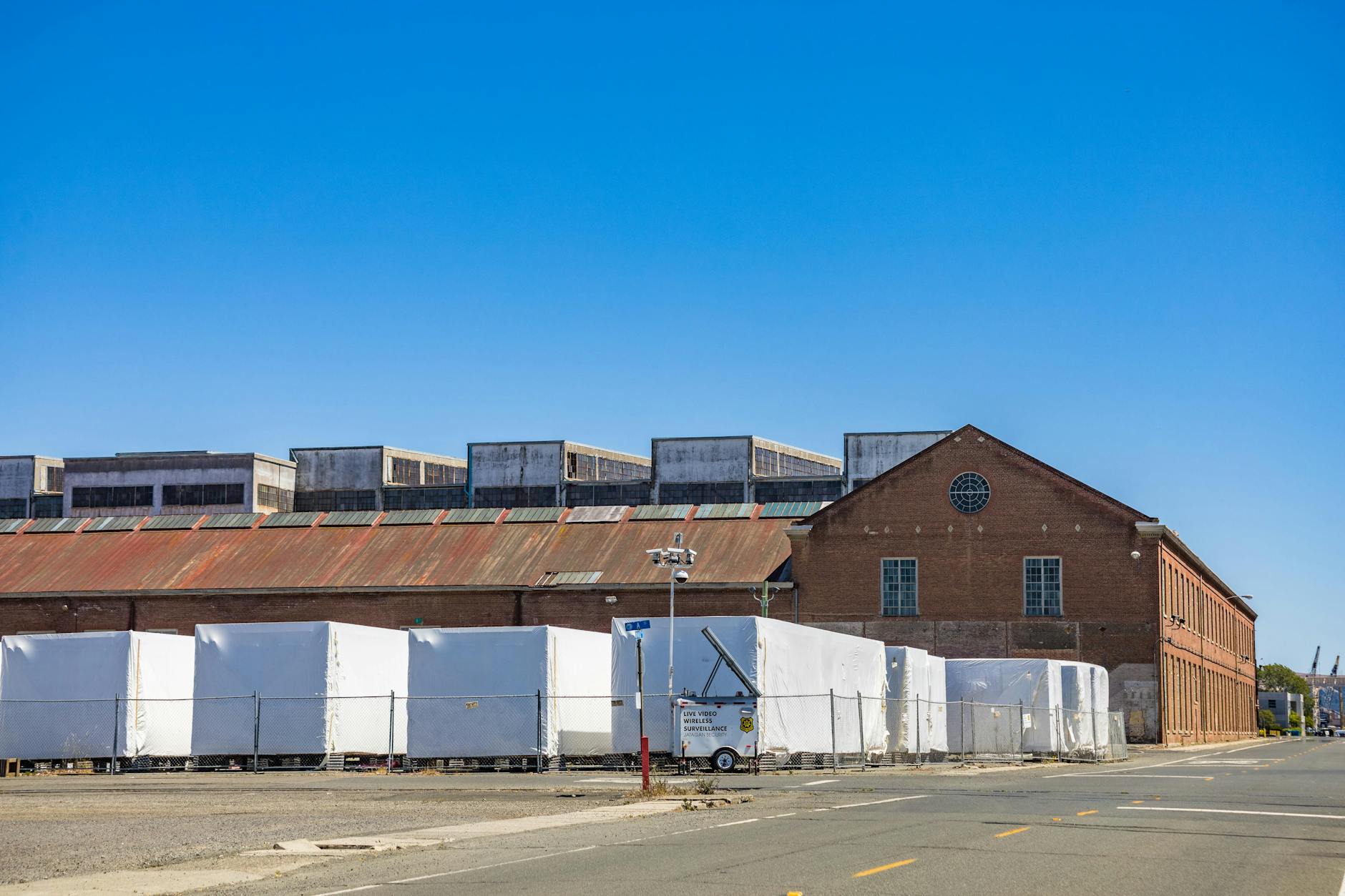
Property appreciation becomes an additional revenue source as ghost kitchen facilities increase local real estate values. Areas with successful delivery kitchen clusters often attract traditional restaurants, retail businesses, and residential development, creating compounding returns on platform investments.
The model also provides platforms with valuable negotiating leverage when working with restaurant partners. Companies that own kitchen facilities can offer turnkey operational packages including space, equipment, utilities, and guaranteed delivery access – creating deeper relationships with food service operators.
Equipment Leasing and Technology Integration
Beyond basic real estate rental, platforms monetize ghost kitchens through comprehensive equipment leasing programs. These arrangements include commercial cooking equipment, refrigeration systems, point-of-sale technology, and specialized delivery packaging stations.
Monthly equipment fees often exceed base rental costs, particularly for high-tech installations that include automated order processing, inventory management systems, and integrated delivery logistics. Platforms can negotiate volume purchasing agreements with equipment manufacturers, then lease devices to tenants at marked-up rates.
Technology integration creates additional revenue opportunities through software licensing, data analytics services, and operational consulting. Platforms that control both the physical kitchen space and the digital ordering infrastructure can optimize operations while charging premium fees for enhanced services.
Insurance and Financial Services Expand Revenue Opportunities
Ghost kitchen facilities have enabled delivery platforms to expand into ancillary financial services that generate consistent monthly revenue. Property management responsibilities create natural entry points for offering insurance products, equipment financing, and business banking services.
Platforms can negotiate group insurance rates for ghost kitchen tenants, then mark up premiums while providing streamlined claims processing and risk management services. These arrangements generate commission income while reducing tenant operational complexity.
Working capital lending represents another growing revenue stream. Platforms with detailed sales and order data can offer cash advances and short-term loans to restaurant partners based on predicted delivery volume. Interest rates and fees from these financial products often exceed margins from traditional food delivery commissions.
Similar to how major banks are generating revenue from financial wellness coaching, delivery platforms are discovering that ancillary services can become more profitable than their core business operations.
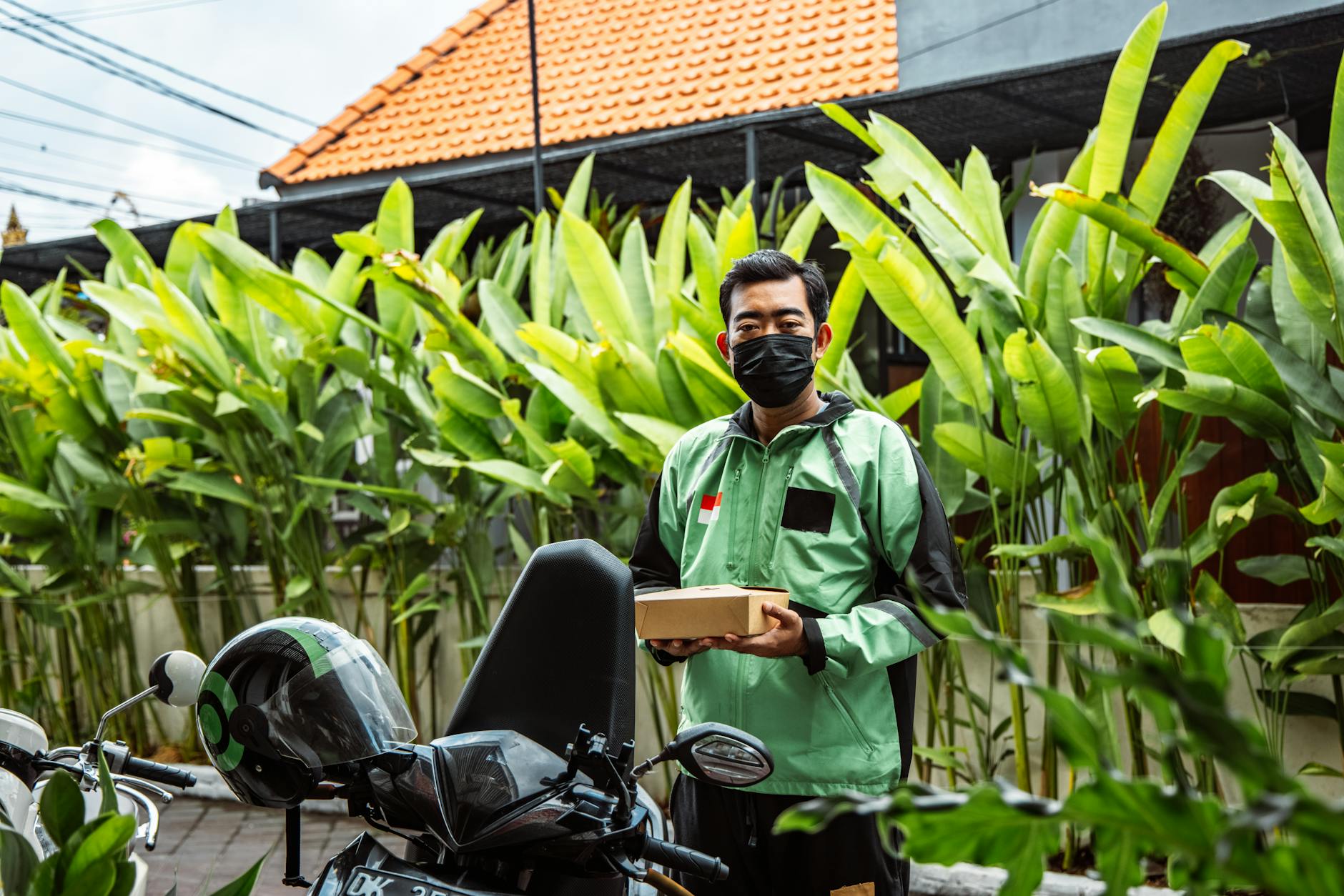
Data Monetization and Market Intelligence
Ghost kitchen real estate investments provide delivery platforms with unprecedented access to restaurant operational data. Comprehensive insight into food preparation times, ingredient usage patterns, labor costs, and customer preferences creates valuable market intelligence that can be monetized through consulting services and trend analysis.
Platforms can identify successful menu items across different ghost kitchen locations, then recommend expansion strategies to restaurant partners or launch competing private-label brands. This data-driven approach to food service development has proven particularly effective for creating virtual restaurant concepts that exist exclusively within delivery apps.
Menu optimization services, ingredient sourcing recommendations, and demand forecasting have become significant revenue sources for platforms with extensive ghost kitchen networks. Restaurant partners pay premium fees for access to aggregated performance data and competitive intelligence that would be impossible to generate independently.
The ghost kitchen real estate model positions delivery platforms as comprehensive food service partners rather than simple logistics providers. Companies that control physical infrastructure, financial services, and market data can capture value across the entire restaurant supply chain while reducing their dependence on per-order commission income.
As urban real estate costs continue rising and consumer delivery habits solidify, expect delivery platforms to accelerate their ghost kitchen investments. The model provides multiple revenue streams, reduces operational risk, and creates sustainable competitive advantages that extend far beyond traditional food delivery services.
Frequently Asked Questions
How do delivery apps make money from ghost kitchens beyond delivery fees?
Platforms generate revenue through rental income, equipment leasing, insurance services, and financial products offered to restaurant tenants.
What advantages do delivery platforms have in ghost kitchen real estate?
Platforms use order data to select optimal locations and can guarantee baseline delivery volume to ensure tenant success and property value appreciation.