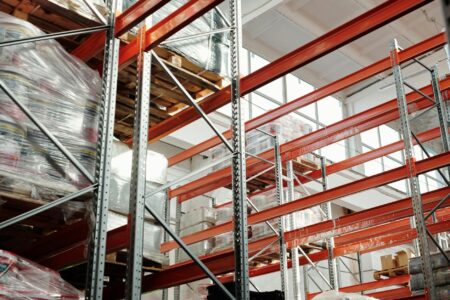



Empty parking lots at shopping malls nationwide are becoming goldmines. Major department stores like Macy’s, Target, and Nordstrom are transforming their underutilized parking structures into revenue-generating assets, capitalizing on prime real estate that has sat dormant for years.
The shift reflects a broader transformation in retail, where traditional brick-and-mortar stores are reimagining every square foot of their properties. With foot traffic down significantly from pre-pandemic levels and online shopping continuing to surge, retailers are getting creative about maximizing returns on their substantial real estate investments.
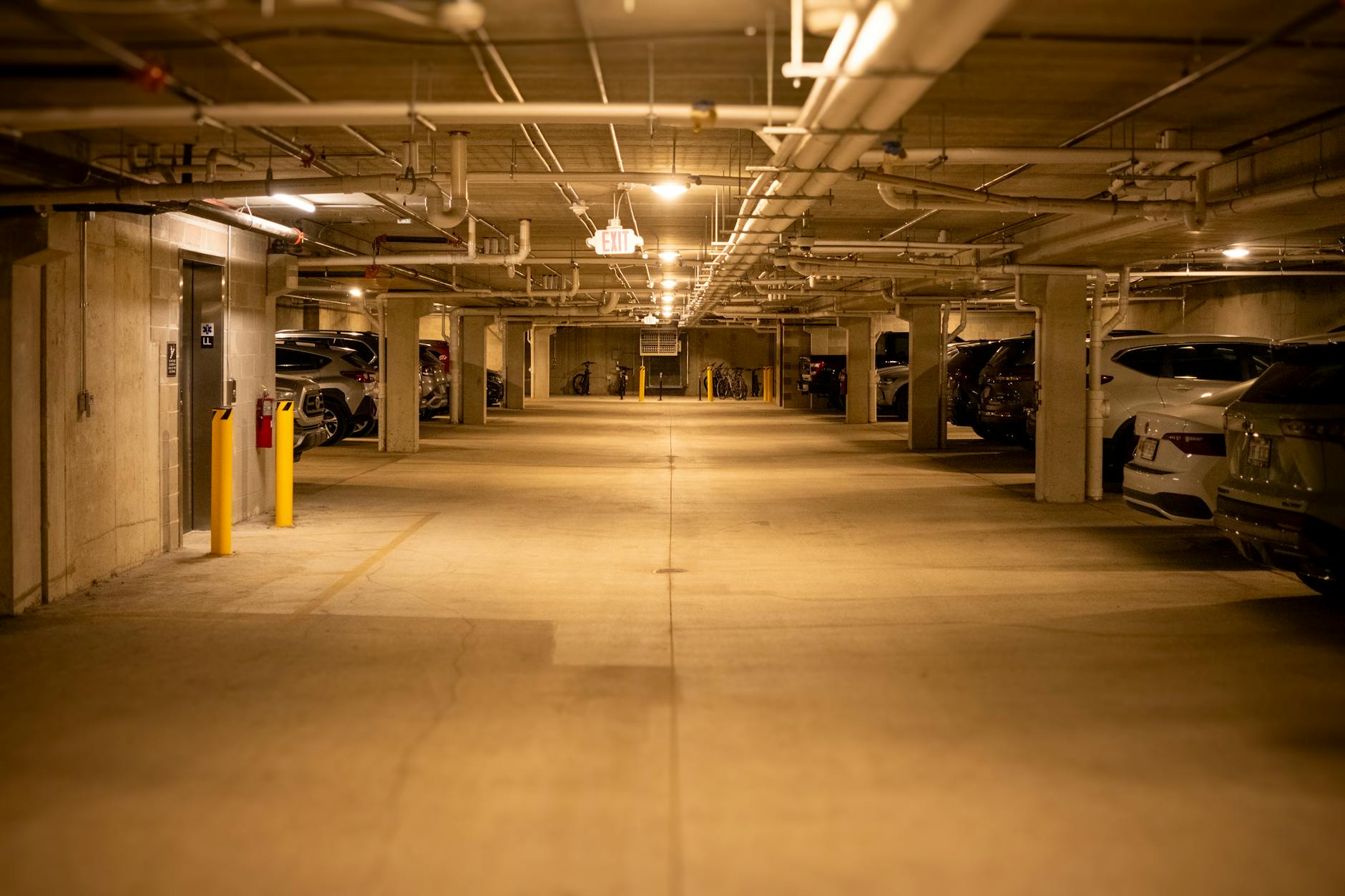
Department stores typically own or lease massive parking structures designed for peak shopping seasons that rarely materialize anymore. These concrete assets, often located in high-traffic areas with excellent visibility, represent untapped potential worth millions in additional revenue.
Converting Parking Into Micro-Fulfillment Centers
Target has emerged as a leader in parking structure monetization through its micro-fulfillment strategy. The retailer is converting portions of parking structures at select locations into automated fulfillment centers that process online orders for same-day delivery and curbside pickup.
These facilities, typically occupying 10,000 to 40,000 square feet of former parking space, can process thousands of orders daily. The proximity to customers allows Target to offer delivery windows as short as two hours while reducing transportation costs significantly.
“We’re essentially bringing the warehouse to the customer,” explains one retail analyst familiar with Target’s strategy. The company has implemented this model at locations in Minneapolis, Chicago, and several California markets, with plans for expansion based on performance metrics.
Macy’s has taken a similar approach at flagship locations, dedicating entire parking levels to order fulfillment operations. The department store giant processes everything from fashion items to home goods in these converted spaces, leveraging existing infrastructure while maintaining customer parking on remaining levels.
Third-Party Logistics and Storage Solutions
Department stores are also partnering with logistics companies to lease parking space for last-mile delivery operations. Amazon, FedEx, and UPS have all signed agreements with major retailers to use parking structures as temporary staging areas for delivery vehicles and package sorting.
Nordstrom reportedly generates substantial monthly revenue by leasing portions of its parking structures to delivery companies during peak seasons. These arrangements typically involve companies paying premium rates for spaces that provide easy highway access and secure storage capabilities.
Self-storage companies represent another growing revenue stream. Public Storage and Extra Space Storage have partnered with department stores to install climate-controlled storage units in parking structures, particularly at locations in dense urban areas where traditional storage facilities are limited.
The economics are compelling for retailers. A single parking space that might generate nothing for weeks can earn hundreds of dollars monthly when converted to storage or logistics use. The arrangements often include revenue-sharing agreements that provide steady income regardless of seasonal shopping fluctuations.
Entertainment and Experience Venues
Some department stores are transforming parking areas into entertainment destinations that drive both direct revenue and increased store traffic. Macy’s has experimented with temporary food truck festivals, outdoor concerts, and seasonal markets in parking lots adjacent to stores.
Nordstrom has partnered with local event companies to host pop-up markets, fitness classes, and community gatherings in designated parking areas. These events often feature local artisans and food vendors, creating a revenue-sharing opportunity while enhancing the store’s community presence.
The approach mirrors strategies used by movie theaters hosting corporate events, where businesses maximize existing infrastructure for additional income streams.
Drive-in movie experiences have proven particularly successful for several department store chains. These events, typically held on weekends or during holidays, can generate thousands of dollars per screening while requiring minimal infrastructure investment beyond a large screen and projection equipment.
Electric Vehicle Charging Networks
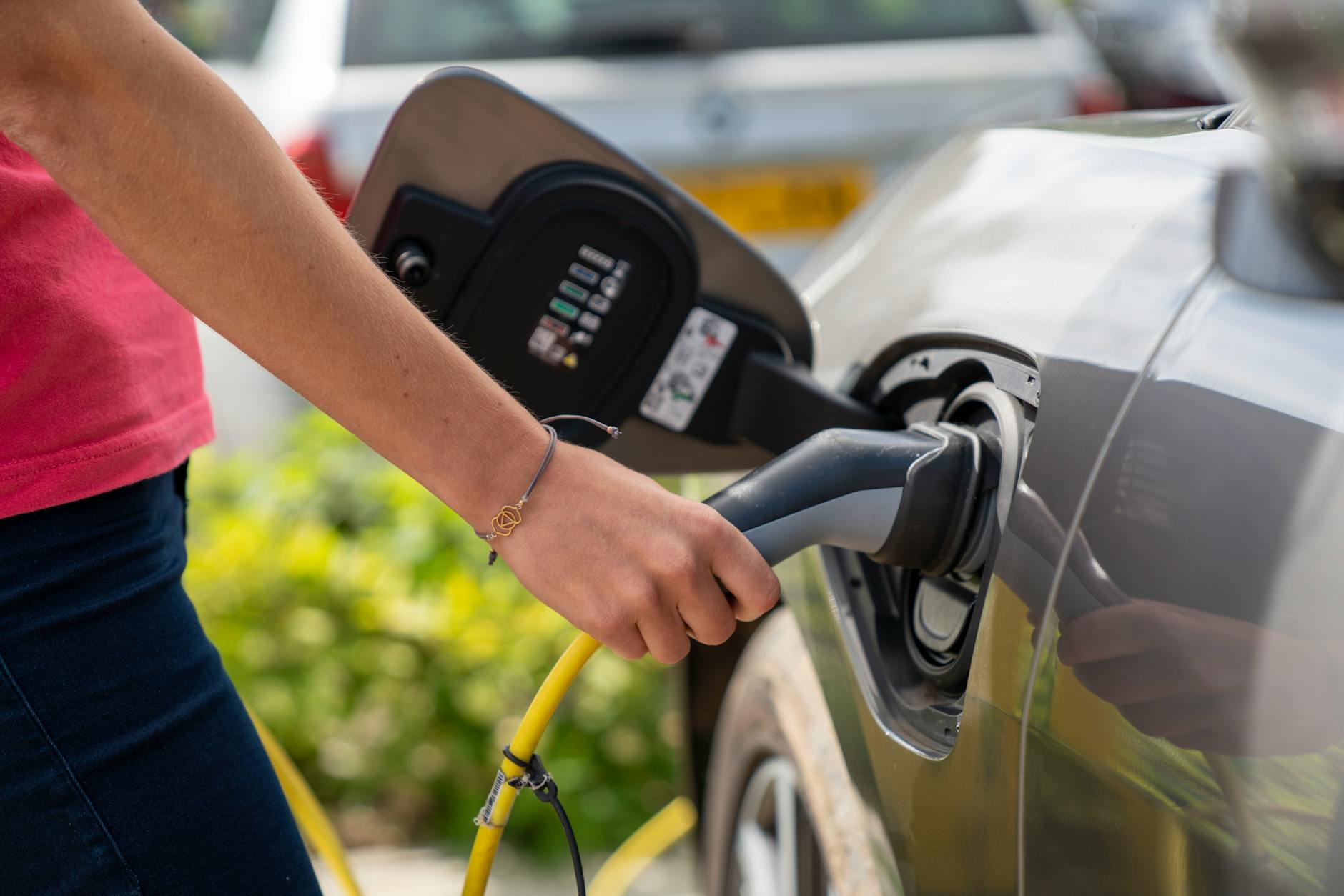
The transition to electric vehicles has created another monetization opportunity for department store parking structures. Target, Walmart, and other major retailers are installing extensive EV charging networks that generate revenue while attracting environmentally conscious customers.
ChargePoint, Electrify America, and Tesla have all partnered with department stores to install charging stations in prominent parking locations. These installations typically involve revenue-sharing agreements where retailers earn a percentage of charging fees while providing valuable services to customers.
The charging stations often feature premium locations within parking structures, commanding higher rates than standard parking spaces. Some retailers report that EV charging customers spend significantly more time and money in stores compared to typical shoppers, creating additional indirect revenue benefits.
Department stores are also exploring partnerships with ride-sharing companies and autonomous vehicle testing programs. These arrangements involve designating specific parking areas for vehicle staging and maintenance, generating consistent monthly income from technology companies.
The transformation of department store parking represents a fundamental shift in how retailers view their real estate assets. Rather than viewing parking as a necessary cost, forward-thinking companies are treating these spaces as revenue opportunities that can provide substantial returns with relatively modest investments.
Industry experts predict this trend will accelerate as retail real estate values continue to appreciate and e-commerce growth puts pressure on traditional revenue models. The most successful retailers will be those that can seamlessly integrate these new revenue streams while maintaining the primary shopping experience that draws customers to their stores.
Frequently Asked Questions
How much revenue can department stores generate from parking lot conversions?
Revenue varies by location and use, but converted spaces can earn hundreds to thousands of dollars monthly per area that previously generated nothing.
What are the most common ways stores monetize parking structures?
Popular strategies include micro-fulfillment centers, third-party logistics partnerships, storage facilities, entertainment venues, and EV charging stations.