



Walk into any IKEA showroom today, and you’ll notice something different. Beyond the Swedish meatballs and maze-like layout, trained design consultants roam the floor offering personalized room makeovers for a fee. This shift represents a massive transformation in how furniture retailers generate revenue, moving beyond product sales into lucrative service offerings that can command premium pricing.
The furniture industry has discovered that modern consumers crave professional design guidance but often can’t afford traditional interior designers who charge hundreds per hour. Major retailers are filling this gap with accessible consultation services that boost both customer satisfaction and profit margins. What started as free advice from sales associates has evolved into structured programs generating millions in additional revenue.

The Service Revenue Revolution
West Elm pioneered the trend with their design services program, charging customers for personalized consultations that often lead to larger furniture purchases. The retailer’s design team creates custom mood boards, space plans, and product recommendations tailored to individual homes. This approach transforms a one-time furniture purchase into an ongoing relationship that can span months or years.
IKEA has taken a different approach with their planning services, focusing heavily on kitchen and closet design. Customers pay consultation fees ranging from basic planning sessions to comprehensive design packages. The Swedish giant reports that customers who use design services typically spend significantly more than those who shop independently, making the consultation fees pure profit on top of increased product sales.
Target has quietly built a robust interior design consultation program through partnerships with independent designers. Their “Design Services” platform connects customers with vetted professionals who can shop Target’s extensive home goods selection. The retailer takes a commission on resulting purchases while positioning itself as a lifestyle brand rather than just a discount retailer.
Wayfair leverages its vast online catalog through virtual design consultations. Their “Design Services” program pairs customers with professional designers who create personalized spaces using Wayfair’s inventory. The e-commerce giant has found that consultation customers have higher lifetime values and lower return rates compared to typical shoppers.
Technology Meets Traditional Design
The integration of technology has made furniture consultation services more scalable and profitable than ever. Augmented reality apps allow customers to visualize furniture in their actual spaces before committing to purchases, reducing returns and increasing satisfaction. Virtual reality showrooms enable retailers to offer design consultations without the overhead of physical display space.
Pottery Barn’s “Design Crew” service combines in-person visits with digital tools. Designers use tablets to create real-time room layouts, instantly calculating costs and availability for recommended pieces. This tech-enabled approach allows one designer to serve more customers while providing more detailed and accurate estimates than traditional methods.
Home Depot has invested heavily in kitchen and bath design centers within their stores. These spaces feature dedicated design software that allows customers to see realistic renderings of their renovated spaces. The consultation fees often exceed the profit margins on the actual products sold, making the service centers highly profitable square footage.
Amazon’s entry into furniture consultation through their “Amazon Home Services” platform demonstrates how even e-commerce giants recognize the value of personalized design guidance. By partnering with local professionals, Amazon creates a revenue stream while maintaining its asset-light business model.
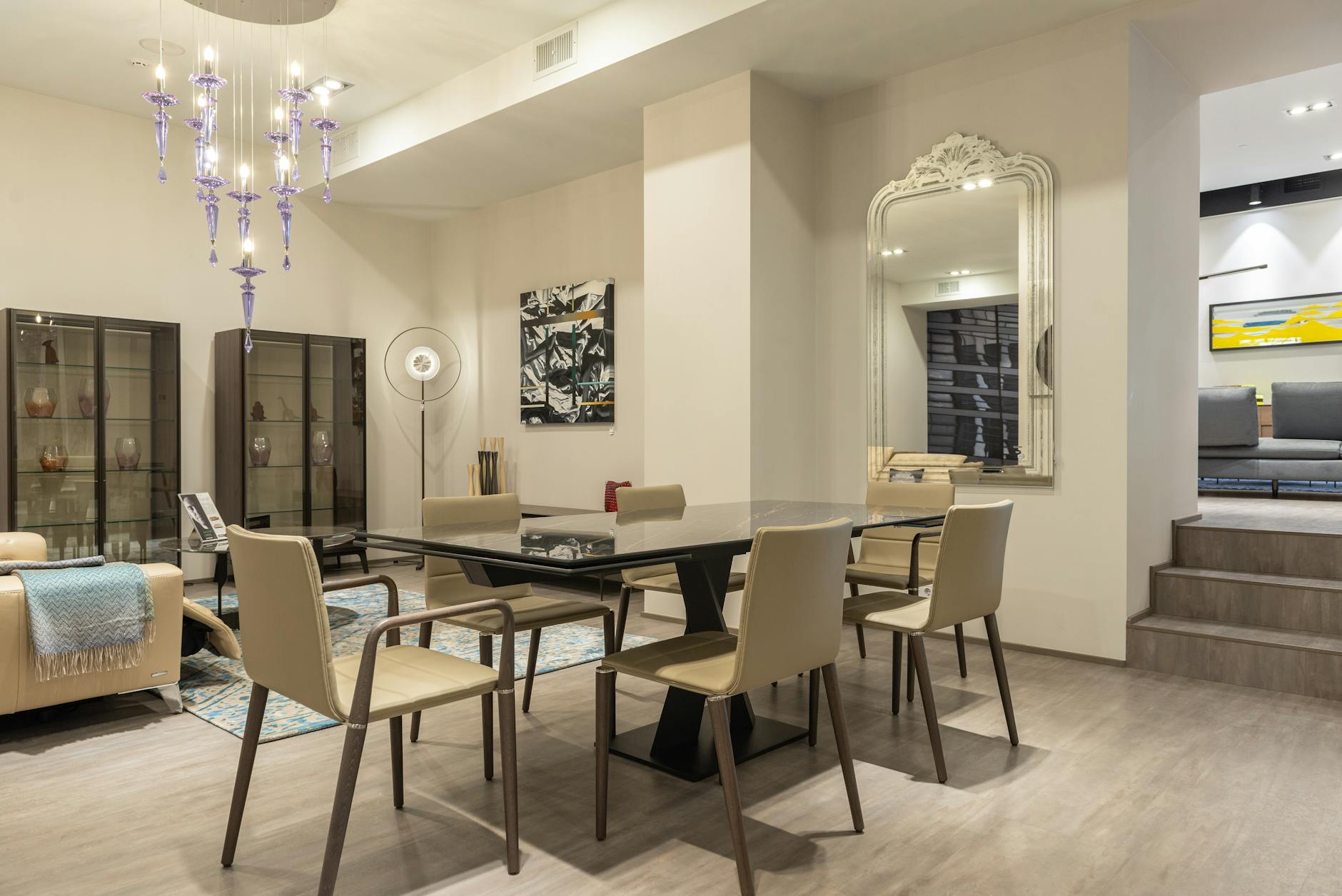
Premium Services Drive Customer Loyalty
The most successful furniture retailers have discovered that consultation services create emotional connections that transcend typical retail relationships. Customers who work with design consultants often become repeat buyers, returning for seasonal updates, additional rooms, or new homes. This loyalty translates into predictable revenue streams that help offset the volatility of discretionary spending on furniture.
Crate & Barrel’s “Crate & Kids” design service focuses specifically on children’s rooms, targeting parents willing to pay premium prices for expert guidance on creating functional and stylish spaces. The service has become so popular that some locations now require advance booking, allowing the retailer to charge higher consultation fees during peak periods.
RH, formerly Restoration Hardware, has positioned their design services as luxury offerings comparable to high-end interior design firms. Their “RH Interior Design” program charges substantial consultation fees but provides white-glove service that justifies the premium pricing. Customers often spend tens of thousands on furniture after working with RH designers, making the initial consultation investment worthwhile for both parties.
CB2, Crate & Barrel’s modern furniture brand, targets younger consumers with streamlined design packages. Their “CB2 Design” service focuses on single-room makeovers at accessible price points, introducing millennials and Gen Z customers to professional design services. This strategy builds long-term customer relationships as these consumers’ incomes and housing situations evolve.
Beyond Consultation: Full-Service Home Transformation
Forward-thinking retailers are expanding beyond simple consultations into comprehensive home transformation services. These offerings include project management, contractor coordination, and white-glove installation services that command significantly higher margins than traditional furniture sales.
Similar to how major cruise lines are converting ships into floating co-working hubs to diversify revenue streams, furniture retailers are reimagining their core business model. The focus shifts from selling individual pieces to orchestrating complete lifestyle transformations that justify premium pricing.
Williams Sonoma Home has created a full-service design division that manages entire home renovations from concept to completion. Their designers coordinate with architects, contractors, and craftspeople to deliver turnkey solutions. While the consultation fees are substantial, the real profit comes from the high-volume furniture and accessory sales that result from these comprehensive projects.
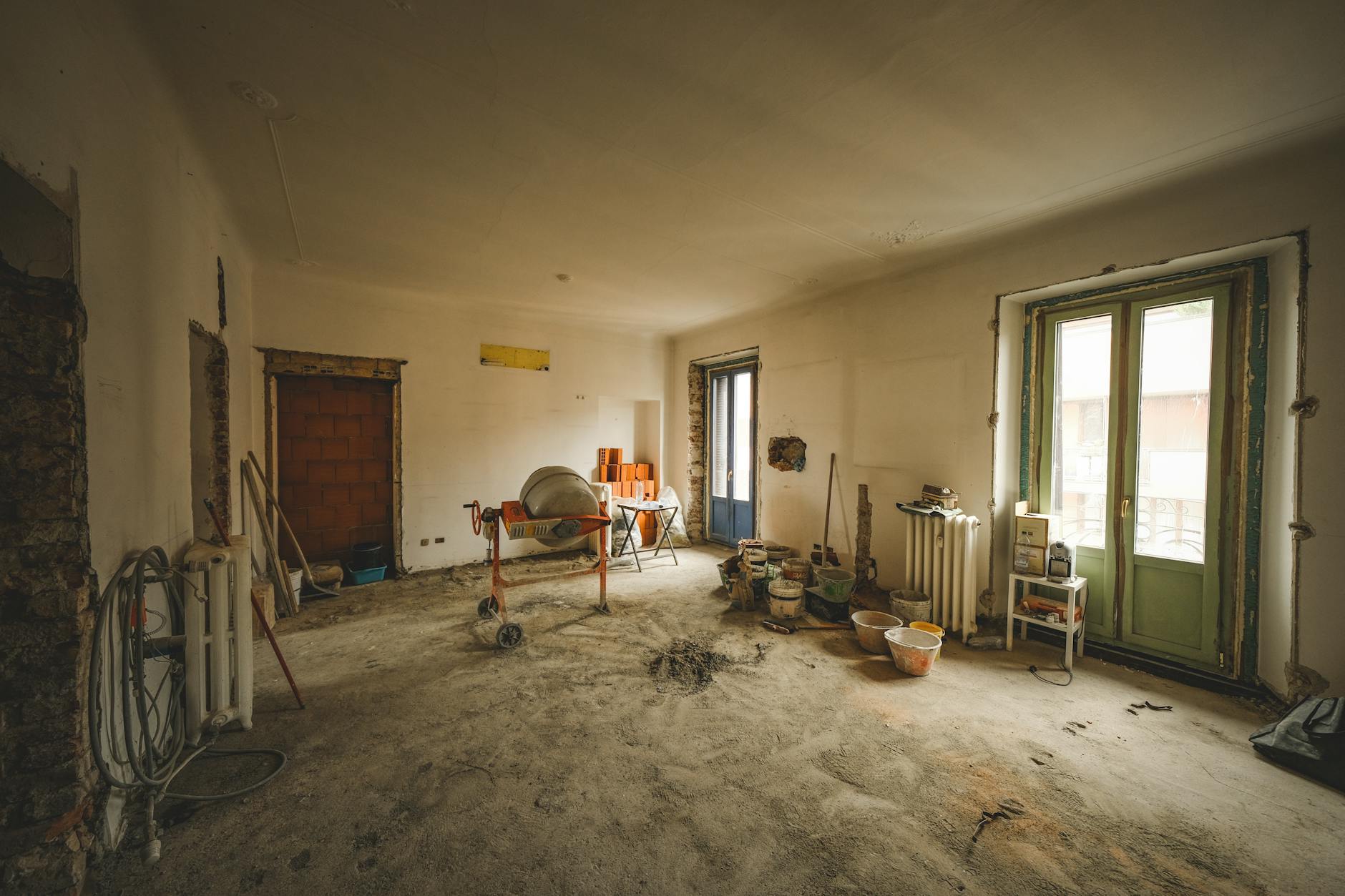
The furniture consultation trend reflects broader shifts in consumer behavior toward experience-based purchases and professional services. As housing costs continue rising and home ownership becomes more precious, consumers increasingly view their living spaces as investments worth professional attention. This creates sustainable demand for design services that goes beyond economic cycles affecting furniture sales.
Major retailers that embrace this transition position themselves as lifestyle partners rather than mere product vendors. The consultation services create multiple touchpoints with customers, generating data about preferences and purchasing patterns that inform inventory decisions and marketing strategies. As competition intensifies in the furniture space, these service-based revenue streams provide differentiation that’s difficult for competitors to replicate.
The monetization of interior design consultation represents more than a new revenue stream – it signals the evolution of retail toward relationship-based commerce where ongoing service creates lasting value for both customers and businesses.
Frequently Asked Questions
How much do furniture store design consultations cost?
Consultation fees vary from basic planning sessions at $50-100 to comprehensive design packages that can cost several hundred dollars.
Do furniture consultation fees get applied to purchases?
Many retailers apply consultation fees as credit toward furniture purchases, while others charge separate fees for ongoing design services.