



Hotel lobbies across America are humming with a new kind of energy. Where once travelers simply checked in and headed to their rooms, digital nomads now camp out with laptops, entrepreneurs conduct meetings over coffee, and freelancers treat marble-floored atriums like their personal offices. Major hotel chains have noticed – and they’re turning this shift into serious money.
The hospitality industry has discovered that their underutilized public spaces can generate substantial revenue through co-working arrangements. From Marriott’s partnerships with WeWork to Hyatt’s dedicated work zones, hotels are transforming lobbies, conference rooms, and even guest rooms into flexible workspaces that command premium prices during traditional low-occupancy periods.
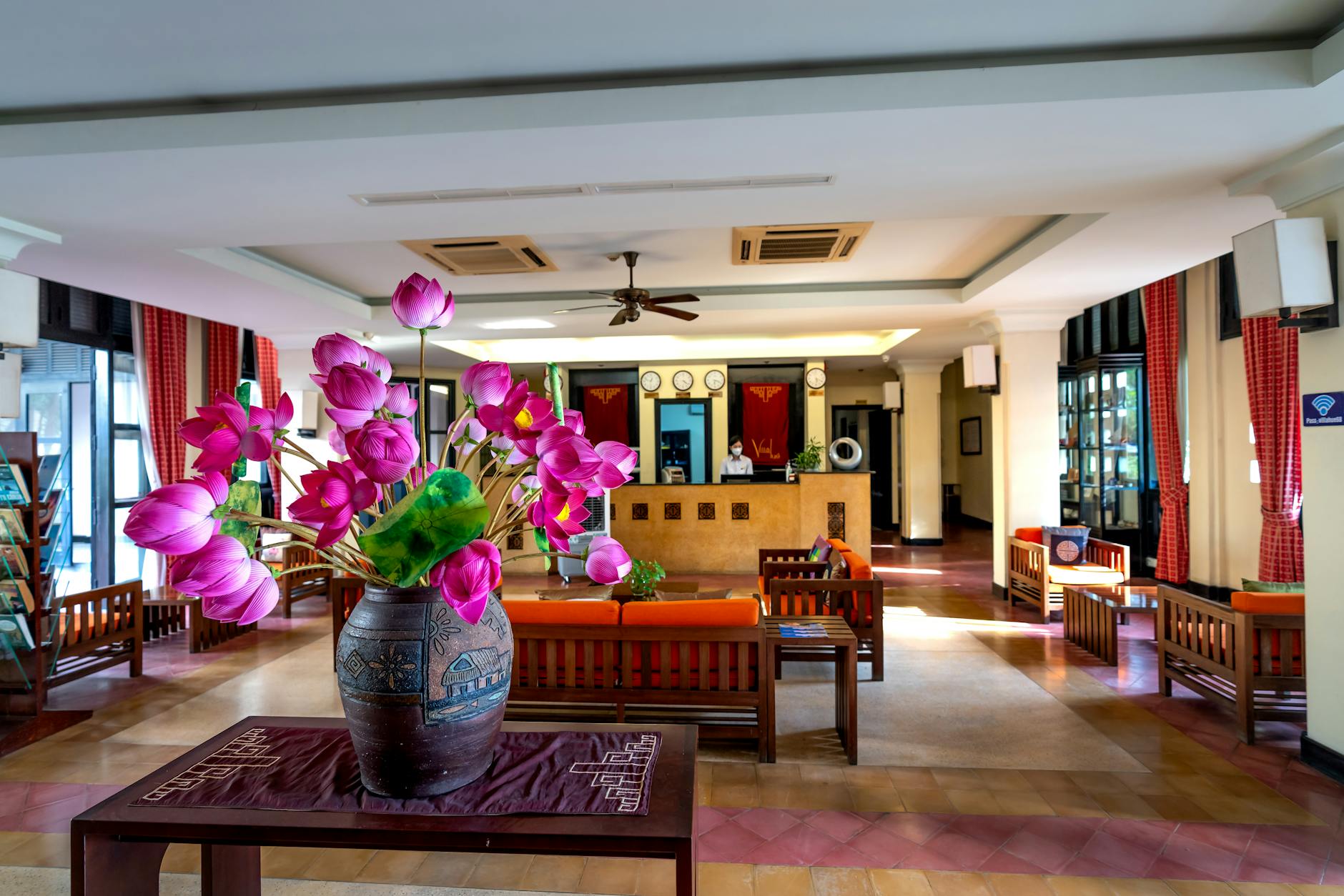
The Economics Behind Hotel Co-Working Spaces
The numbers tell a compelling story. Hotel occupancy rates typically drop to 40-60% during weekday hours, leaving vast amounts of prime real estate sitting empty. Meanwhile, the global co-working market has exploded from $15 billion in 2019 to over $26 billion today, according to industry research.
Marriott International was among the first to recognize this opportunity. Their partnership with Liquidspace allows guests and non-guests to book meeting rooms, lobby spaces, and dedicated work areas by the hour. The revenue model is straightforward: spaces that generate zero income during off-peak hours now command $25-50 per person for day passes, with premium meeting rooms fetching $100-200 for half-day rentals.
Hilton has taken a different approach through their WorkSpaces program, converting underperforming conference rooms into flexible work environments. The chain reports that these spaces achieve 70-80% utilization during traditional business hours, generating revenue that often exceeds what the same square footage would earn through traditional room bookings.
The beauty of this model lies in its minimal additional overhead. Hotels already have the infrastructure – high-speed internet, comfortable seating, food service, and professional environments. The main investments involve minor renovations to create more open layouts, installing additional power outlets, and upgrading Wi-Fi capacity.
Technology Integration and Member Programs
Smart technology has become the backbone of hotel co-working operations. AccorHotels’ WOJO platform uses mobile apps to let users book spaces, access keyless entry, and even order room service to their temporary workspace. The seamless digital experience has proved crucial for attracting the tech-savvy remote work demographic.
IHG has integrated co-working bookings directly into their loyalty program, allowing members to earn and redeem points for workspace access. This strategy creates additional touchpoints with frequent travelers while encouraging repeat usage of their co-working facilities. Members can book a workspace in London through the same app they use to reserve hotel rooms in Los Angeles.
The data collection aspect provides hotels with valuable insights into usage patterns and customer preferences. Hotels can track which spaces see the highest demand, optimize pricing in real-time, and even predict busy periods to maximize revenue. Some chains report that their co-working analytics have informed broader renovation decisions, influencing everything from lobby layouts to restaurant positioning.

Flexible Space Design and Revenue Optimization
Modern hotel co-working spaces bear little resemblance to traditional business centers. Kimpton Hotels has redesigned their lobby areas with moveable furniture, multiple seating options, and designated quiet zones alongside collaborative areas. Their “Living Room” concept generates revenue through day passes, meeting room rentals, and increased food and beverage sales.
The most successful hotel co-working programs create multiple revenue streams from the same space. A lobby area might serve breakfast guests in the morning, transform into co-working space during business hours, and become a social venue in the evening. This tri-purpose approach maximizes revenue per square foot while maintaining the hospitality atmosphere that differentiates hotels from traditional co-working spaces.
Hyatt’s “The Den” spaces in select properties offer tiered pricing based on amenities and location within the hotel. Basic lobby access starts around $15 per day, while private meeting rooms with catering options can command several hundred dollars for corporate clients. The key insight is that business travelers and locals are willing to pay premium prices for the reliability and professional atmosphere that hotels provide.
Several chains have also discovered that co-working spaces drive ancillary revenue. Food and beverage sales in hotels with active co-working programs are typically 15-25% higher than properties without these offerings. Similarly, like retailers maximizing profit through strategic space utilization, hotels are learning that the value extends beyond direct space rental fees.
Corporate Partnerships and Long-Term Contracts
The most lucrative co-working arrangements often involve corporate partnerships rather than individual day users. Radisson Hotel Group has secured contracts with companies like Microsoft and IBM to provide dedicated workspace for their traveling employees. These partnerships guarantee consistent revenue while reducing the marketing costs associated with attracting individual users.
Some hotels have negotiated arrangements where tech companies rent blocks of workspace for their distributed teams. A software company might pay for guaranteed access to meeting rooms and work areas across a hotel chain’s portfolio, providing their employees with consistent workspace options while traveling. These contracts often include volume discounts but guarantee higher utilization rates and predictable revenue.
The corporate model also extends to partnerships with established co-working brands. Several hotel chains have licensing agreements with Regus or WeWork to operate branded co-working spaces within their properties. While this reduces direct control, it provides proven operational expertise and access to established member networks.

The hotel co-working trend shows no signs of slowing. Industry analysts predict that hybrid work arrangements will remain standard for many companies, creating sustained demand for flexible workspace solutions. Hotels are uniquely positioned to capitalize on this trend, offering professional environments with hospitality services that pure co-working spaces struggle to match.
Major chains are already expanding their co-working programs to smaller markets and international properties. The success of urban pilots has convinced executives that this revenue stream can work across different property types and markets. As remote work becomes permanently embedded in corporate culture, hotels that invest in flexible workspace solutions now are likely to enjoy competitive advantages for years to come.
The transformation of hotel public spaces represents more than just a revenue opportunity – it signals a fundamental shift in how the hospitality industry thinks about space utilization and customer needs. Properties that once viewed their lobbies as necessary but non-revenue-generating spaces are discovering that the right strategy can turn underutilized areas into profit centers that complement rather than compete with traditional room revenue.
Frequently Asked Questions
How much do hotel co-working spaces typically charge?
Hotel co-working spaces typically charge $15-50 for day passes, with premium meeting rooms commanding $100-200 for half-day rentals.
Which hotel chains offer co-working spaces?
Major chains including Marriott, Hilton, Hyatt, IHG, AccorHotels, and Radisson offer various co-working space programs and partnerships.