



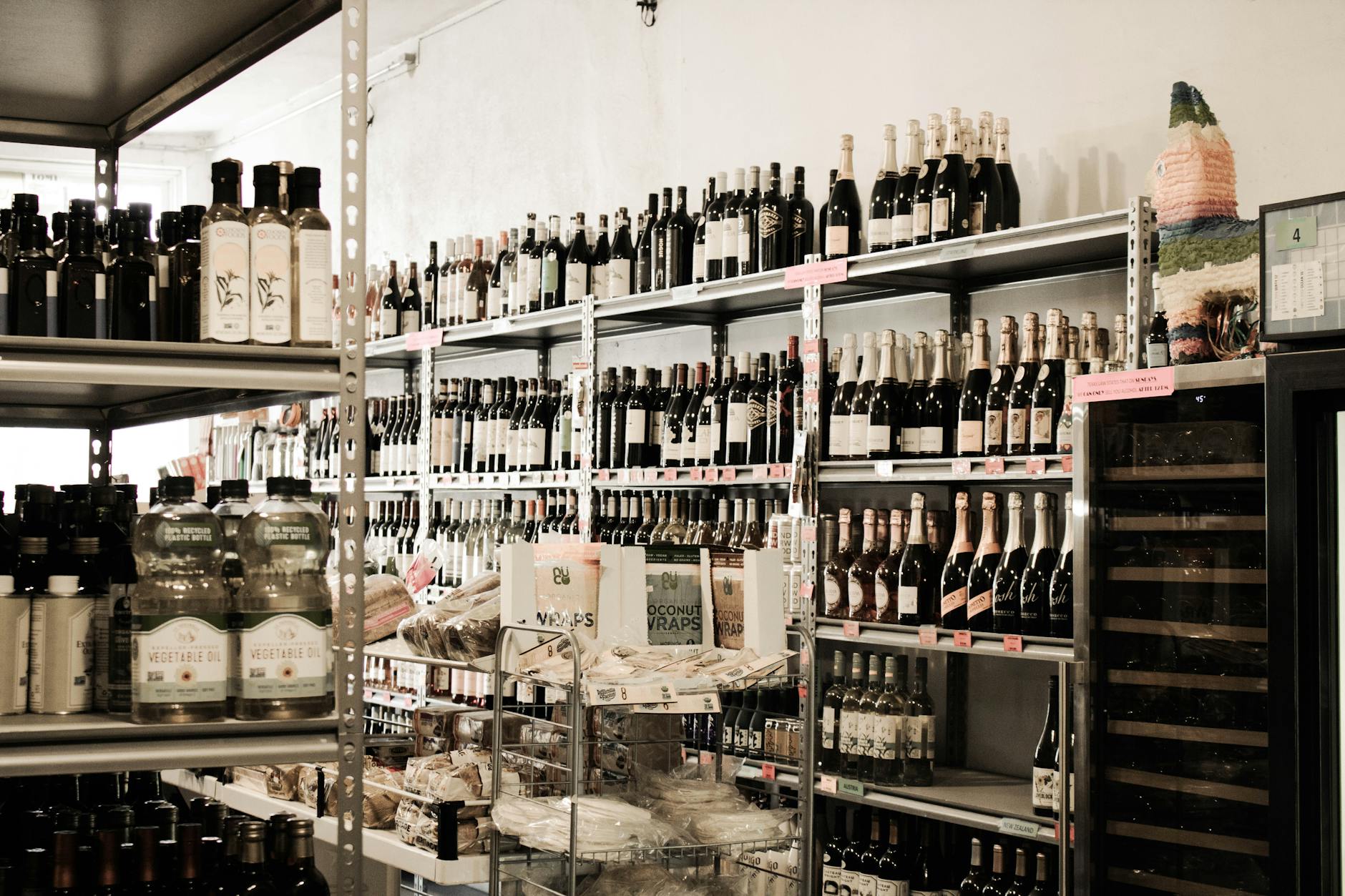
Walk into any Target, Walmart, or Costco and you’ll notice something remarkable: their store-brand products occupy prime real estate, boast sleek packaging that rivals national brands, and often cost 20-30% less. These aren’t the generic knockoffs of decades past – they’re sophisticated private label brands generating unprecedented profits for retailers.
The transformation has been dramatic. Private label products now account for more than $200 billion in annual U.S. sales, with some retailers seeing their house brands contribute up to 40% of total profits despite representing just 20% of sales volume. This profit margin magic explains why retailers from grocery chains to department stores are doubling down on private label development.
The Economics Behind Private Label Dominance
Private label brands deliver profit margins that make CFOs smile. While national brand products typically yield retailers gross margins of 20-25%, private label items can generate margins of 35-50% or higher. This dramatic difference stems from eliminating the middleman – retailers work directly with manufacturers, cutting out brand owners who traditionally captured significant value.
Target’s Good & Gather food brand exemplifies this strategy. Launched in 2019, the line has become one of Target’s fastest-growing private labels, generating over $2 billion in sales within its first two years. The brand’s success lies not just in competitive pricing, but in quality that matches or exceeds national competitors. Target invested heavily in product development, sourcing, and packaging design to ensure Good & Gather products could command premium shelf space.
Amazon has perhaps pushed private label furthest, with over 400 house brands spanning everything from basics to electronics. Their AmazonBasics line alone generates billions in revenue, while newer brands like Goodthreads (apparel) and Stone & Beam (home goods) target specific lifestyle segments. Amazon’s unique advantage lies in leveraging customer data to identify product opportunities and optimize everything from sizing to flavor profiles.
The manufacturing landscape has evolved to support this shift. Contract manufacturers worldwide have upgraded capabilities to produce retailer-branded goods that rival national brands in quality and presentation. Many of these manufacturers actually produce both national brand products and private label versions using similar formulations and production lines.
Consumer Perception Shifts Drive Growth
The stigma around store brands has largely evaporated, particularly among younger consumers. Research shows that 73% of millennials actively seek private label products, viewing them as smart purchases rather than compromises. This generational shift reflects broader changes in shopping behavior and brand loyalty.
Quality improvements have been fundamental to this perception change. Retailers now employ teams of food scientists, product designers, and quality assurance specialists dedicated to private label development. Kroger’s Simple Truth organic line, for instance, maintains standards that meet or exceed national organic brands while typically costing 15-20% less.
Social media has accelerated acceptance of private label products. Influencers regularly feature Target’s A New Day clothing line or Trader Joe’s Everything But The Bagel seasoning, treating these items as discoveries rather than substitutes. This organic marketing costs retailers virtually nothing while building authentic brand awareness.
The pandemic further boosted private label adoption as consumers became more price-conscious and supply chain disruptions made national brands less available. Many shoppers discovered private label alternatives during this period and continued purchasing them as preferences solidified.
Technology and Data Drive Innovation
Modern retailers leverage sophisticated analytics to identify private label opportunities and optimize products. Walmart analyzes purchasing patterns across its vast customer base to determine which categories offer the best private label potential. Their Great Value brand has expanded into hundreds of products based on these insights, from food items to household goods.
Technology also enables rapid product iteration. When Costco’s Kirkland Signature brand launches a new product, customer feedback and sales data inform quick adjustments to everything from packaging size to flavor intensity. This agility gives private labels significant advantages over national brands, which often require months or years to implement changes.
Supply chain technology has revolutionized private label sourcing. Retailers can now work directly with manufacturers worldwide, using digital platforms to manage quality control, compliance, and logistics. This direct relationship model enables better margins while maintaining quality standards.
The integration between physical and digital retail creates new opportunities for private label promotion. Why Major Retailers Are Replacing Self-Checkout Systems with Hybrid Models highlights how technology changes in stores can spotlight house brands through targeted displays and recommendations.
Category Expansion Beyond Basics
Private labels have moved far beyond generic commodity products into premium and specialty categories. Whole Foods’ 365 Everyday Value brand competes directly with organic and natural food leaders, while their specialty brands like Allegro Coffee target enthusiast segments.
Fashion represents a massive private label opportunity. Target’s collaboration model, featuring limited-time partnerships with high-end designers, generates significant buzz and profits. Their permanent fashion lines like Wild Fable (juniors) and Goodfellow & Co. (men’s) offer on-trend styles at accessible prices, competing effectively with national apparel brands.
Beauty and personal care have become private label battlegrounds. CVS Health’s brand portfolio includes everything from skincare to vitamins, while Sephora’s Collection competes with prestige cosmetics at fraction of the cost. These categories offer particularly attractive margins while building customer loyalty through unique formulations and packaging.
Electronics present both opportunities and challenges for private label expansion. While AmazonBasics has succeeded with cables, chargers, and basic accessories, more complex categories require significant investment in research and development. However, the profit potential makes these investments worthwhile for major retailers.
The Future of Retail Profitability
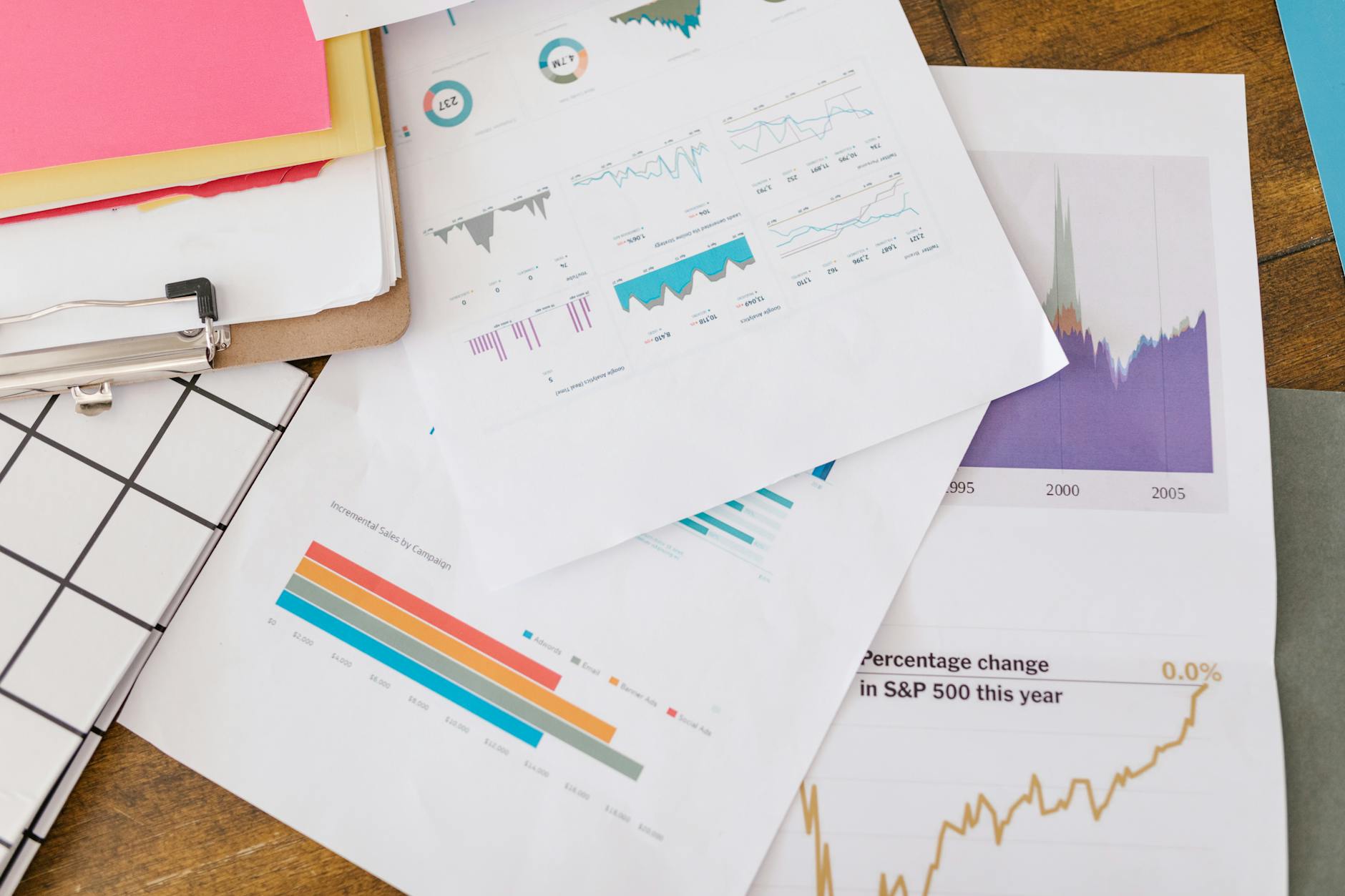
Private label growth shows no signs of slowing. Industry analysts predict private label market share could reach 30% of total retail sales within the next decade, driven by continued quality improvements and expanding category coverage. Retailers are investing heavily in private label capabilities, from dedicated product development teams to exclusive manufacturing partnerships.
Emerging technologies like artificial intelligence and machine learning will further accelerate private label innovation. These tools can identify product gaps, optimize formulations, and predict consumer preferences with increasing accuracy. Smart retailers are building these capabilities now to maintain competitive advantages.
Sustainability trends favor private label development as retailers can control entire supply chains and implement environmental standards more effectively than when working with national brands. This control enables marketing messages about ethical sourcing, reduced packaging, and carbon footprint reduction that resonate with conscious consumers.
The profit mathematics are compelling enough that private label expansion has become essential for retail survival rather than optional strategy. As e-commerce continues growing and profit margins remain under pressure, retailers need the enhanced profitability that successful house brands provide. Those who execute private label strategies effectively will dominate their categories, while others risk becoming mere distributors of national brands with razor-thin margins.
Frequently Asked Questions
Why do private label brands generate higher profits than national brands?
Private labels eliminate middleman costs and allow retailers to work directly with manufacturers, achieving gross margins of 35-50% versus 20-25% for national brands.
How have consumer perceptions of store brands changed?
Quality improvements and generational shifts have eliminated stigma, with 73% of millennials now actively seeking private label products as smart purchases rather than compromises.