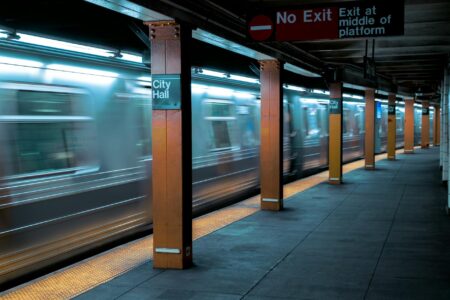



Downtown office towers that once commanded premium rents now sit partially empty, their gleaming lobbies echoing with the footsteps of skeleton crews. The pandemic didn’t just change where Americans work-it triggered the most dramatic reshuffling of commercial real estate values in decades.
Remote work has fundamentally altered the economic landscape of American cities. What started as a temporary health measure has evolved into a permanent shift that’s sending shockwaves through property values, municipal budgets, and urban planning strategies nationwide. The numbers tell a stark story: office occupancy rates in major cities remain 30-50% below pre-pandemic levels, while suburban commercial spaces are experiencing unprecedented demand.
This transformation extends far beyond empty office buildings. The ripple effects are reshaping everything from local tax revenues to transportation infrastructure, creating winners and losers in markets that seemed stable just five years ago.

The Great Office Exodus Accelerates Property Devaluation
Commercial real estate values in urban cores have plummeted as companies slash their office footprints. San Francisco’s financial district has seen property values drop by as much as 40% since 2019, with similar declines reported in Chicago, Seattle, and Boston. Major corporations including Salesforce, Twitter, and Meta have either downsized their headquarters or abandoned long-term leases entirely.
The impact varies dramatically by market and property type. Class A buildings in prime locations maintain higher occupancy rates, but older office towers struggle to attract tenants willing to pay pre-pandemic rents. Landlords are offering unprecedented concessions-free rent for up to 18 months, extensive tenant improvement allowances, and flexible lease terms that would have been unthinkable in 2019.
Property appraisals reflect this new reality. Commercial mortgage-backed securities tied to office properties have experienced significant downgrades, creating stress in lending markets. Banks holding commercial real estate loans report increasing defaults and restructuring requests, particularly for properties in secondary business districts.
The psychological shift among business leaders compounds the financial pressure. CEOs who once viewed prestigious downtown addresses as essential for company branding now question the return on investment of expensive office leases when productivity metrics show remote teams performing at comparable levels.
Suburban and Secondary Markets Experience Unexpected Boom
While urban office markets struggle, suburban commercial real estate is experiencing a renaissance. Co-working spaces, medical offices, and mixed-use developments in bedroom communities report waiting lists for available space. Cities like Austin, Nashville, and Raleigh have become magnets for companies seeking lower operational costs and access to distributed talent pools.
The surge in suburban demand extends beyond traditional office spaces. Retail centers are being converted into hybrid work environments that combine shopping, dining, and flexible workspace. Developers report strong interest in “15-minute neighborhoods” where remote workers can access all daily needs within walking distance of their homes.
This geographic redistribution of commercial activity is creating new economic hubs in unexpected places. Small cities throughout the Mountain West and Southeast are seeing commercial property values rise as companies establish satellite offices or relocate entirely. The Economic Impact of Corporate Return-to-Office Mandates on Urban Transit highlights how this shift affects public transportation investments and urban planning priorities.
Property developers are adapting their strategies accordingly. Instead of pursuing massive downtown towers, many are focusing on smaller, distributed facilities that serve specific geographic clusters of remote workers. These “neighborhood offices” offer professional meeting spaces and high-speed internet without requiring lengthy commutes.
Municipal Budgets Face Unprecedented Challenges
Cities heavily dependent on commercial property tax revenue are grappling with budget shortfalls that threaten essential services. New York City faces a potential $1.2 billion reduction in property tax revenue over the next five years, while San Francisco projects similar losses that could impact everything from public transportation to school funding.
The fiscal pressure forces difficult choices. Some municipalities are raising residential property taxes to compensate for commercial losses, creating political tensions with homeowners already struggling with inflation. Others are cutting services or deferring infrastructure maintenance, potentially accelerating urban decline in areas with high office vacancy rates.
Progressive cities are exploring innovative solutions to repurpose struggling commercial properties. Zoning changes that allow office-to-residential conversions have gained traction, though the economics remain challenging due to fundamental differences in building design and infrastructure requirements.
Tax increment financing districts, once reliable revenue sources for urban development projects, now face uncertain futures as property values stagnate or decline. This affects not just current budgets but long-term planning for schools, transit systems, and affordable housing initiatives.
Investment Strategies Pivot Toward Hybrid Models
Institutional investors are fundamentally reassessing commercial real estate portfolios. Pension funds and real estate investment trusts that once favored long-term office leases now prioritize flexibility and adaptability. Properties that can easily transition between office, retail, and residential uses command premium valuations.
The hospitality sector within commercial real estate is experiencing parallel transformations. Extended-stay hotels report strong demand from remote workers seeking temporary workspace solutions, while traditional business hotels struggle with reduced corporate travel. This shift influences property development decisions and financing structures across the industry.
Construction financing has become increasingly selective. Lenders scrutinize proposed office developments with unprecedented rigor, often requiring higher equity stakes and shorter loan terms. Conversely, warehouse and logistics properties continue attracting investment as e-commerce growth sustains demand for distribution facilities.
Private equity firms are positioning for potential opportunities in distressed office properties, betting on long-term urban recovery while acquiring assets at significant discounts. However, the timeline for recovery remains uncertain, making these investments inherently speculative.
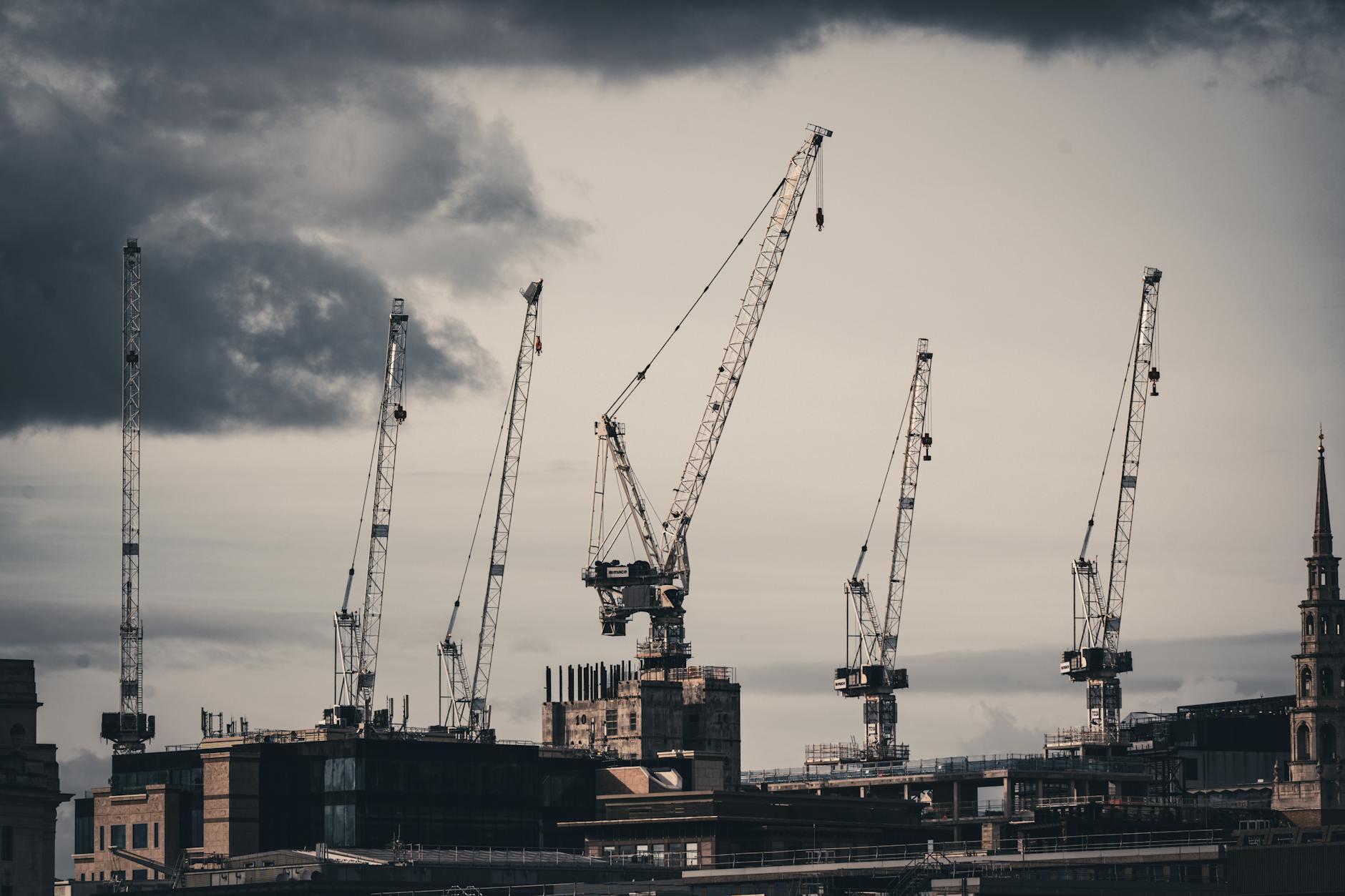
The commercial real estate revolution sparked by remote work represents more than a temporary market adjustment-it signals a fundamental restructuring of how Americans work and live. Property values will likely stabilize at new equilibrium points that reflect permanent changes in workplace preferences and urban density patterns.
Cities that successfully adapt to this new reality by diversifying their economic base and repurposing underutilized commercial space will emerge stronger. Those that resist change or rely too heavily on pre-pandemic assumptions about office demand may face prolonged economic challenges. The next five years will determine which metropolitan areas thrive in the post-pandemic economy and which struggle to reinvent their commercial foundations for a permanently altered business landscape.
Frequently Asked Questions
How much have urban office property values declined due to remote work?
Urban office values have dropped 30-40% in major cities like San Francisco, Chicago, and Boston since 2019.
Which commercial real estate markets are benefiting from remote work trends?
Suburban office spaces, co-working facilities, and mixed-use developments in smaller cities are experiencing unprecedented demand and value increases.