



Small retailers across America are shuttering at an alarming rate, but it’s not just online competition driving them out of business. Insurance premiums have skyrocketed by 30-50% in many markets over the past two years, creating an impossible financial burden for mom-and-pop shops already operating on razor-thin margins.
From independent bookstores in Portland to family-owned hardware stores in rural Texas, small business owners report that commercial insurance has become their second or third largest expense, often exceeding rent. The crisis stems from a perfect storm of factors: increased natural disasters, rising crime rates in urban areas, supply chain disruptions affecting replacement costs, and insurance companies tightening underwriting standards after years of losses.

The Numbers Behind the Crisis
Commercial property insurance rates jumped an average of 38% in 2023, according to the Council of Insurance Agents and Brokers. General liability coverage increased by 25%, while workers’ compensation premiums rose 15% across most states. For small retailers, these increases translate to thousands of additional dollars in monthly expenses they simply cannot absorb.
Maria Santos, who owns three boutique clothing stores in Denver, saw her annual insurance bill climb from $18,000 to $28,000 in just 18 months. “That’s nearly $850 more per month,” she explains. “I’d have to sell 200 additional dresses just to break even on the insurance increase alone.” Santos closed one location last month and is considering shuttering a second.
The situation is particularly dire for retailers in high-risk areas. Businesses in California face wildfire surcharges, while those in Florida deal with hurricane-related increases. Urban retailers confront rising premiums due to increased theft and vandalism claims. Even stores in traditionally low-risk areas aren’t immune, as insurance companies spread costs across their entire customer base.
Property values have also inflated replacement costs. A small retail space that cost $200,000 to rebuild five years ago might require $350,000 today due to increased construction materials and labor costs. Insurance companies adjust coverage limits accordingly, driving premiums higher.
When Coverage Becomes Unaffordable
Some small retailers are making dangerous compromises to stay afloat. Industry surveys suggest that nearly 25% of small retail businesses are operating with inadequate insurance coverage, choosing lower limits or higher deductibles they can’t actually afford to pay.
Robert Chen, who runs an independent electronics store in Minneapolis, reduced his inventory coverage by 40% to keep premiums manageable. “If we get hit by a major loss, we’re probably done anyway,” he says. “At least this way, we can stay open another year and hope things improve.”

Others are dropping certain coverage types entirely. Cyber liability insurance, once considered optional, has become essential as retailers handle more digital transactions. However, premiums for cyber coverage have tripled in some markets, forcing business owners to choose between protecting against data breaches or keeping the lights on.
The insurance crisis is creating a vicious cycle. As more small retailers close or reduce coverage, the remaining businesses face even higher premiums as insurance companies lose revenue and spread risk across a smaller customer base. This accelerates the closure rate, particularly in smaller communities where retailers serve as economic anchors.
Small Business Administration data shows that retail business closures increased 23% in 2023, with insurance costs cited as a primary factor in 40% of closures. The trend is particularly pronounced among businesses with 5-25 employees, which lack the negotiating power of larger chains but face the same escalating insurance requirements.
Limited Options and Tough Choices
Traditional solutions aren’t working for many small retailers. Shopping for competitive rates often yields similar high quotes across insurers, as the industry has consolidated and risk pricing has become more uniform. Insurance brokers report that finding affordable coverage for small retail clients has become increasingly difficult.
Some business owners are exploring alternative risk management strategies. Group purchasing programs, where multiple small businesses band together to negotiate better rates, have shown promise in certain markets. Industry associations are also developing captive insurance programs, though these require significant participation to achieve meaningful savings.
Technology is offering some relief. Security systems with AI-powered monitoring can reduce theft-related claims and qualify businesses for modest premium discounts. Point-of-sale systems that integrate with inventory management help retailers document losses more accurately, potentially speeding claim resolution and preventing disputes.
However, these technological solutions require upfront investment that many struggling retailers cannot afford. The businesses most in need of insurance relief often lack the capital to implement risk-reduction measures that might lower their premiums.
Looking Ahead: Adaptation and Survival
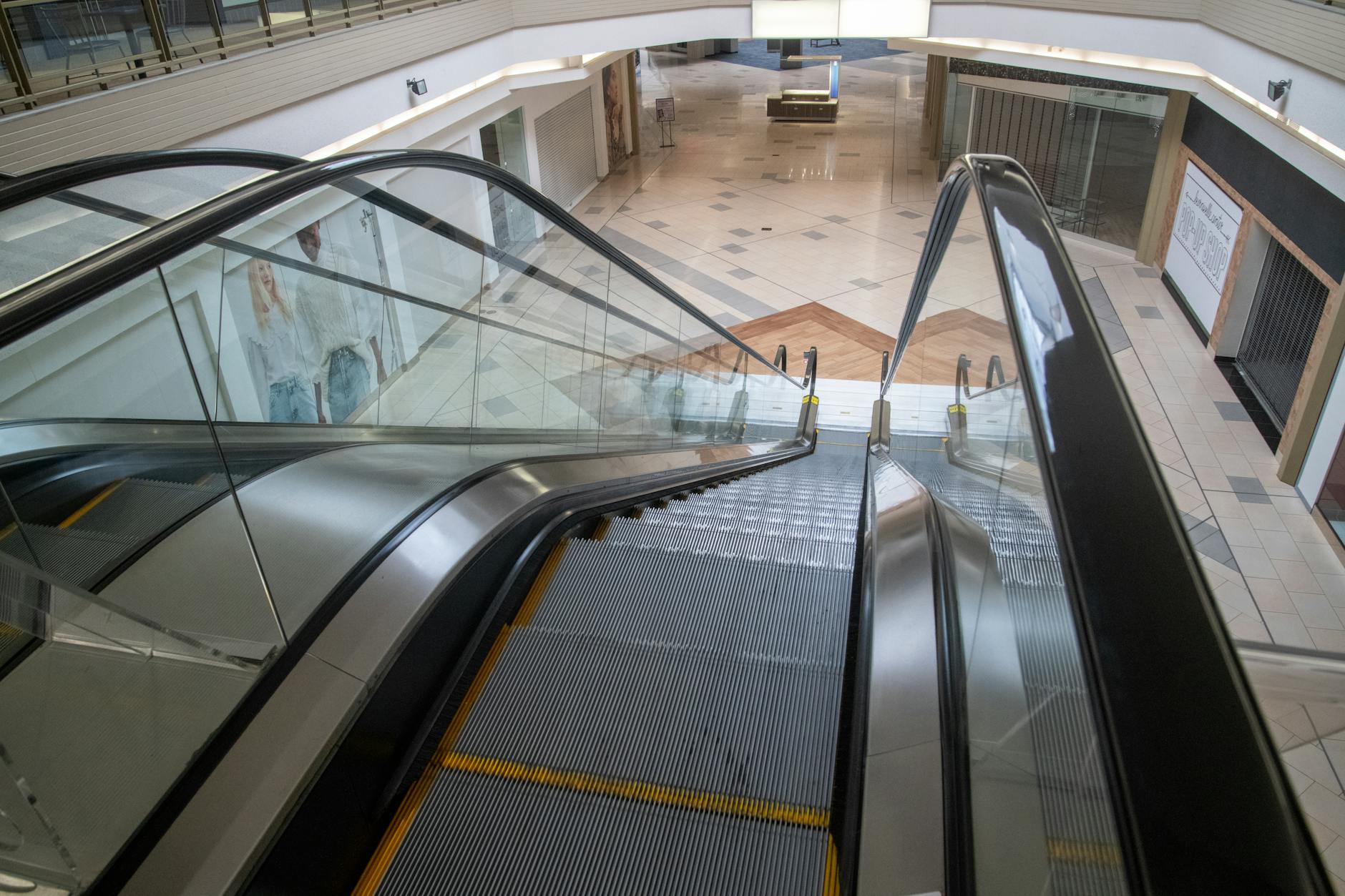
The insurance crisis is reshaping America’s retail landscape in ways that will persist long after premiums stabilize. Small retailers who survive are adapting by diversifying revenue streams, embracing e-commerce, and forming strategic partnerships to share costs and risks.
Some are relocating to lower-risk areas or shifting to business models that require less insurance coverage. Pop-up shops and mobile retail concepts, while limited in scope, offer ways to serve customers without the overhead of permanent storefronts and comprehensive property coverage.
Industry experts predict the insurance market may begin to stabilize by late 2024 or early 2025, as new capacity enters the market and recent rate increases begin generating profits for insurers. However, the damage to small retail ecosystems may already be irreversible in many communities.
The crisis highlights the vulnerability of small businesses to macroeconomic forces beyond their control. Without intervention through industry initiatives, regulatory changes, or innovative insurance products designed specifically for small retailers, America’s main streets will continue to see empty storefronts where family businesses once thrived.
Frequently Asked Questions
How much have commercial insurance rates increased for small retailers?
Commercial property insurance rates jumped an average of 38% in 2023, with general liability coverage increasing 25%.
Why are insurance costs rising so dramatically for small businesses?
Increased natural disasters, rising crime rates, supply chain disruptions, and higher replacement costs are driving premium increases across the industry.