



Financial advisors across the country are fielding a surge of inquiries from Generation X investors about a sophisticated tax strategy once reserved for the ultra-wealthy. The backdoor Roth IRA conversion has become the go-to move for high-earning Gen Xers who find themselves locked out of traditional Roth contributions due to income limits but desperate to maximize their retirement savings in their peak earning years.
Unlike their younger millennial counterparts who have decades to build wealth, Gen X investors – those born between 1965 and 1980 – face a compressed timeline. Many are earning their highest salaries while simultaneously supporting aging parents and college-bound children. This financial squeeze, combined with sophisticated tax knowledge gained through decades of earning, has made backdoor Roth conversions particularly appealing to this demographic.
The strategy works by exploiting a loophole in tax law that allows high earners to contribute to a traditional IRA without taking a deduction, then immediately convert those funds to a Roth IRA. While the conversion triggers taxes on any earnings, the principal amount moves tax-free since no deduction was claimed initially.

The Gen X Sweet Spot for Conversions
Generation X finds itself in a unique position for backdoor Roth strategies. Unlike millennials who may lack the disposable income, or baby boomers who may already be in retirement, Gen Xers often have both the financial resources and the tax motivation to execute these conversions effectively.
“We’re seeing clients in their late 40s and early 50s who are making more money than they’ve ever made, but they know their high-earning years are limited,” says certified financial planner Jennifer Martinez, who manages portfolios for high-net-worth individuals in California. “They understand that paying taxes now on Roth conversions could save them significant money in retirement when they might be in similar or even higher tax brackets.”
The numbers support this trend. IRS data shows that taxpayers aged 45-54 account for the largest percentage of Roth conversions by dollar amount, with many utilizing the backdoor method due to income restrictions. For 2024, individuals earning more than $153,000 (or $228,000 for married couples) cannot contribute directly to a Roth IRA.
Many Gen X investors are also sophisticated enough to understand the estate planning benefits. Unlike traditional IRAs, Roth IRAs don’t require minimum distributions during the owner’s lifetime, making them attractive vehicles for wealth transfer to children and grandchildren.
Advanced Strategies Beyond Basic Conversions
Wealthy Gen X investors aren’t stopping at simple backdoor conversions. Financial advisors report increasing interest in more complex strategies that maximize the benefits while minimizing tax impact.
One popular approach involves “Roth laddering” – systematically converting portions of traditional retirement accounts over several years to spread out the tax burden. This strategy works particularly well for Gen Xers who may have accumulated substantial 401(k) balances but anticipate being in lower tax brackets immediately after retirement, before required minimum distributions kick in at age 73.
“The sophisticated clients are doing conversions in years when their income dips – maybe they take a sabbatical, start their own business, or have a down year in commissions,” explains tax attorney Robert Chen, whose firm specializes in high-net-worth tax planning. “They’re playing a long-term chess game with the tax code.”
Another strategy gaining traction involves mega backdoor Roth conversions through employer 401(k) plans. Some plans allow after-tax contributions beyond the standard limit, which can then be converted to Roth accounts. For Gen Xers with access to these plans, the potential for tax-free growth becomes substantial.
The timing often aligns perfectly with other wealth-building strategies popular among affluent families. Just as wealthy families are using 529 plans for non-education expenses, the backdoor Roth conversion represents another tool for tax-efficient wealth transfer and management.

Tax Law Changes Driving Urgency
The current rush toward backdoor Roth conversions among Gen X investors isn’t happening in a vacuum. Several factors are creating urgency around these strategies, starting with uncertainty about future tax policy.
The Tax Cuts and Jobs Act provisions that reduced many tax rates are set to expire after 2025, potentially pushing taxpayers into higher brackets. For Gen X investors who expect to be in peak earning years or early retirement when these changes take effect, current conversions look increasingly attractive.
“There’s a real fear that the backdoor Roth strategy itself might be eliminated,” notes financial advisor Sarah Thompson, whose practice focuses on pre-retirees. “Congress has proposed closing this loophole multiple times. Clients who have been thinking about it are pulling the trigger now rather than risk losing the opportunity.”
The SECURE Act has also changed the calculus around inherited retirement accounts, eliminating the stretch IRA for most beneficiaries. This makes the tax-free growth and distribution features of Roth IRAs even more valuable for estate planning purposes.
Market conditions are providing another catalyst. Many Gen X investors saw their traditional IRA values decline during recent market volatility, creating opportunities to convert assets at temporarily depressed values. When markets recover, the growth occurs within the tax-sheltered Roth environment.
The strategy becomes even more compelling when combined with other tax planning moves. Some investors are timing conversions with charitable giving strategies or business losses to offset the conversion income.
Implementation Challenges and Pitfalls
Despite the apparent benefits, backdoor Roth conversions aren’t without complications, particularly for high-net-worth Gen X investors with complex financial situations.
The pro-rata rule creates the biggest headache for many would-be converters. If an investor has existing traditional IRA assets with deductible contributions, the backdoor conversion becomes partially taxable regardless of which specific dollars are converted. This forces many investors to either convert everything at once – triggering a large tax bill – or abandon the strategy entirely.
“We have clients who discovered they can’t do a clean backdoor conversion because they rolled over old 401(k) assets into a traditional IRA years ago,” explains certified public accountant Michael Rodriguez. “Now they’re looking at converting six-figure IRA balances to make the backdoor strategy work, which creates a massive tax event.”
Some investors attempt to solve this by rolling traditional IRA assets back into 401(k) plans, but not all employer plans accept such rollovers. Others are converting their entire traditional IRA balances over several years, treating it as an acceleration of their long-term conversion strategy.
State tax complications add another layer of complexity. Some states don’t conform to federal Roth conversion rules, creating potential double taxation scenarios. High-earning Gen X investors who live in high-tax states like California or New York must factor state tax implications into their conversion decisions.
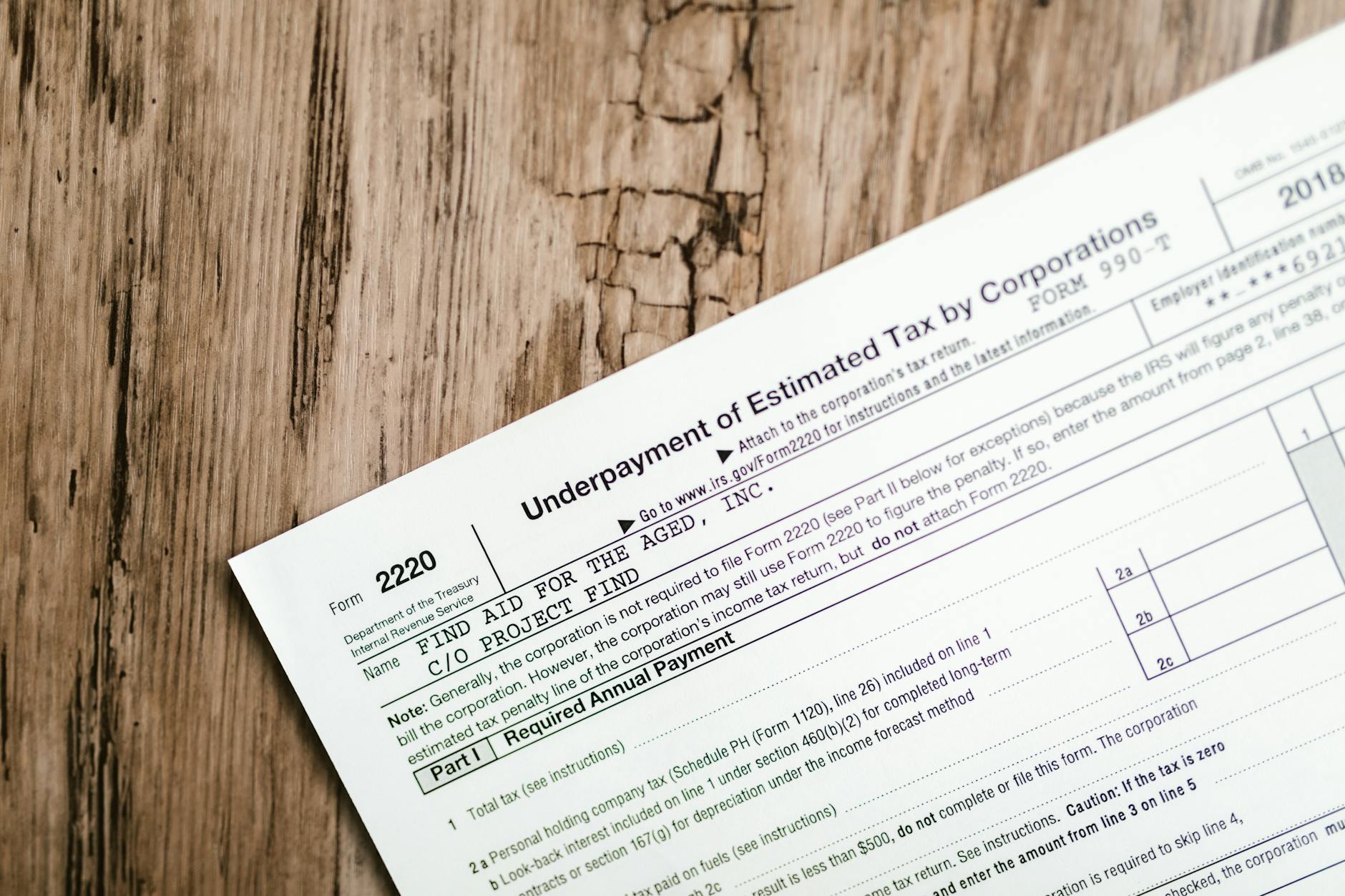
The administrative burden also trips up some investors. The conversion process requires careful documentation and timing, particularly for those attempting to minimize the pro-rata rule impact. Some brokerages have streamlined the process, but others still require multiple forms and phone calls to execute conversions properly.
Looking Ahead: The Future of Retirement Tax Planning
The backdoor Roth conversion trend among wealthy Gen X investors reflects broader shifts in retirement planning philosophy. As this generation enters their final decade of peak earning, they’re embracing strategies that prioritize tax diversification and flexibility over simple accumulation.
Financial advisors expect the trend to accelerate as more Gen Xers realize the limited time remaining to implement these strategies effectively. Unlike younger investors who can rely primarily on Roth 401(k) contributions, Gen X faces income restrictions that make backdoor conversions one of the few ways to access Roth benefits.
The strategy’s popularity is also driving innovation in financial services. Several robo-advisors now offer automated backdoor conversion services, while tax software companies are building more sophisticated tools to help investors navigate the pro-rata rule complications.
However, the window for these strategies may be closing. Congressional proposals to eliminate backdoor conversions have gained bipartisan support, though implementation remains uncertain. For Gen X investors considering these moves, the message from financial advisors is clear: evaluate the strategy now rather than risk losing the opportunity entirely.
The convergence of peak earning years, compressed retirement timelines, and uncertain tax policy has created a perfect storm driving Gen X toward sophisticated retirement tax strategies. Those who act thoughtfully and with proper professional guidance may find backdoor Roth conversions provide decades of tax-free growth, while those who hesitate may miss one of the most powerful wealth-building tools available to high earners.
Frequently Asked Questions
What is a backdoor Roth IRA conversion?
It’s a strategy where high earners contribute to a traditional IRA without taking a deduction, then convert it to a Roth IRA to bypass income limits.
Who benefits most from backdoor Roth conversions?
High-earning individuals who exceed Roth IRA contribution limits but want access to tax-free growth and distributions in retirement.