


A Rebound Built on Two Moving Parts
U.S. stock index futures climbed Friday morning, clawing back ground lost in the previous session’s selloff. The recovery rested on two forces pulling in opposite directions: fresh optimism that a Middle East peace deal involving Iran was within reach, and lingering anxiety over a Federal Reserve that markets increasingly read as unwilling to cut rates anytime soon under its new chair, Kevin Warsh.
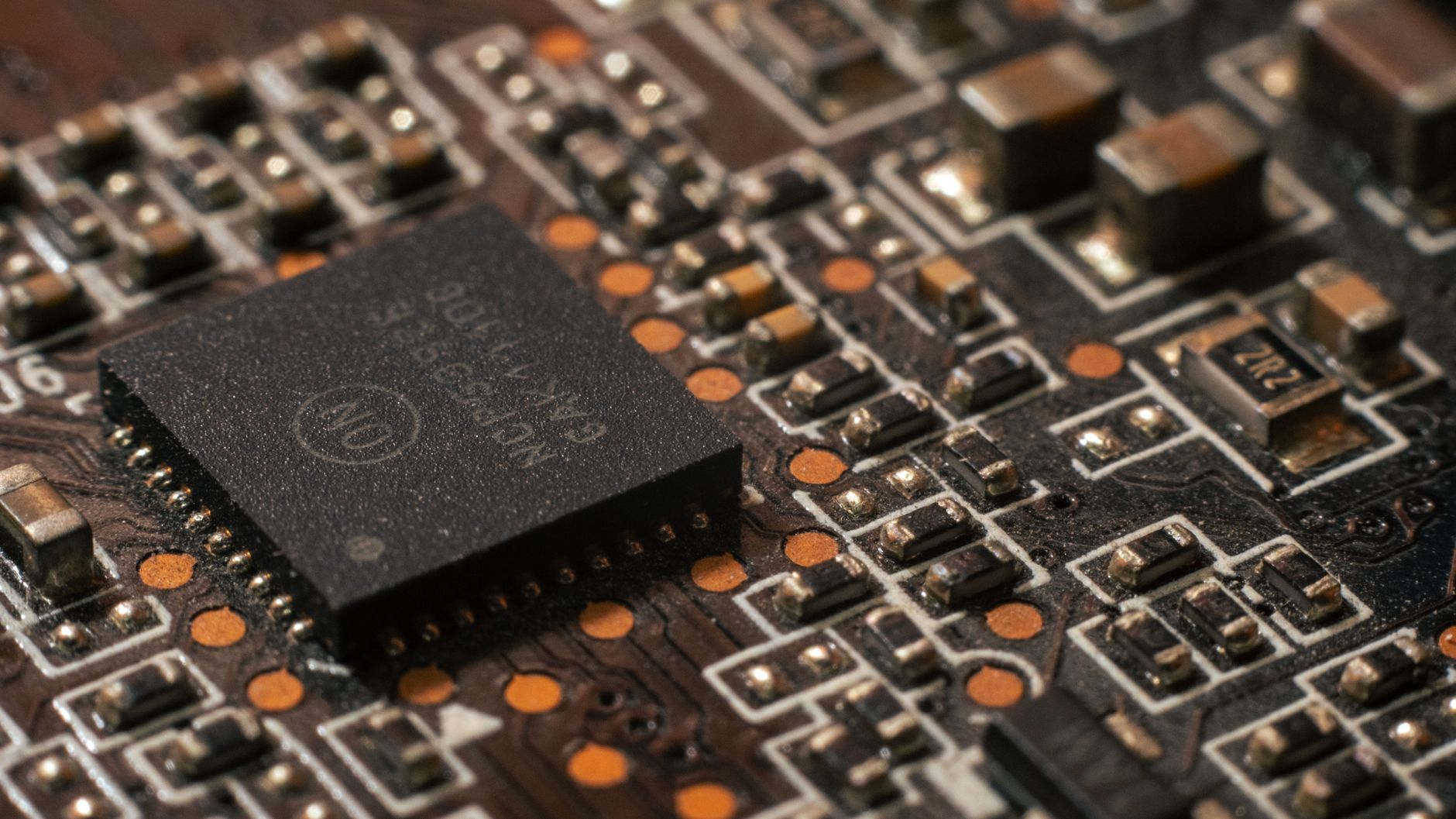
Intel was among the technology stocks catching a bid in the rebound, drawing attention as one of the more visible names moving higher in premarket trading.
The setup heading into Friday illustrated something investors have grown accustomed to this year – geopolitical developments and monetary policy signals colliding inside the same trading session, leaving markets to do the math on which force carries more weight by the closing bell.

What the Iran Optimism Actually Means for Markets
Peace deal optimism tied to U.S.-Iran negotiations has a direct line into equity markets, and it runs straight through the energy sector first. When the prospect of reduced Middle East tension rises, the implied risk premium embedded in oil prices tends to soften, which filters through to transportation costs, industrial margins, and eventually the broader earnings outlook for companies carrying significant energy exposure. Technology firms, which are heavy power consumers but not oil-dependent in the same way as manufacturers or airlines, benefit more indirectly – through improved investor sentiment and a general appetite for risk assets.
That appetite showed up Friday in the tech sector’s premarket moves. Intel’s gains stood out in part because the chipmaker has spent much of 2025 navigating its own turnaround story, making it more sensitive than larger, steadier peers to shifts in market mood. When sentiment lifts broadly, stocks carrying a higher uncertainty premium tend to move faster and further off the floor. Airline executives gathering in Rio de Janeiro this week were dealing with the inverse problem – Iran-related conflict had been feeding fuel cost pressures that the tech sector largely sidesteps.
The broader point is that Middle East negotiations, when they show momentum, give equity markets something concrete to price – a potential reduction in one category of systemic risk. That is enough to move futures, even when the deal itself has not been signed and the details remain fluid.
Warsh’s Fed Is the Counterweight
The hawkish read on the Federal Reserve under Chair Kevin Warsh did not disappear Friday – it just got outweighed for one session. Warsh, who took over the chair role, has signaled a posture that markets have interpreted as less inclined toward the rate reductions that equity valuations, particularly in growth and technology stocks, depend on to stay elevated. When borrowing costs remain high for longer, the present value of future earnings compresses, and high-multiple stocks feel that math more acutely than others.
Thursday’s selloff reflected that concern taking the wheel. Friday’s futures bounce reflected Iran optimism temporarily taking it back.
What makes this dynamic worth watching is that neither factor is resolved. A U.S.-Iran peace agreement, if it materializes, would be a durable positive for risk sentiment. But the Fed’s rate path is a slower-moving variable, governed by inflation data, labor market readings, and Warsh’s own judgment about when conditions justify easing. One day’s geopolitical headline can lift futures. It cannot rewrite the Fed’s dot plot. The tension between those two timelines – the speed of diplomatic news versus the deliberate pace of central bank policy – is what kept Thursday’s losses from being fully recovered rather than just partially offset.
Where This Leaves the Week
Friday’s rebound, driven by deal optimism and a single prominent tech name moving higher, is a reminder that futures markets in the current environment are not making long-term statements. They are reacting to whichever signal arrived most recently. Intel’s premarket gains matter to the traders holding the stock. They do not settle the larger question of whether the Fed under Warsh will allow the rate environment that powered the 2024 and early 2025 tech rally to persist – or whether that era is already over, one hawkish policy signal at a time.