



Meta Platforms is heading into a California federal courtroom as opening arguments begin Tuesday in a trial expected to run six to eight weeks – a legal stretch that will keep one of the world’s most valuable companies under a sustained spotlight at a time when public and regulatory pressure on social media is already intense.
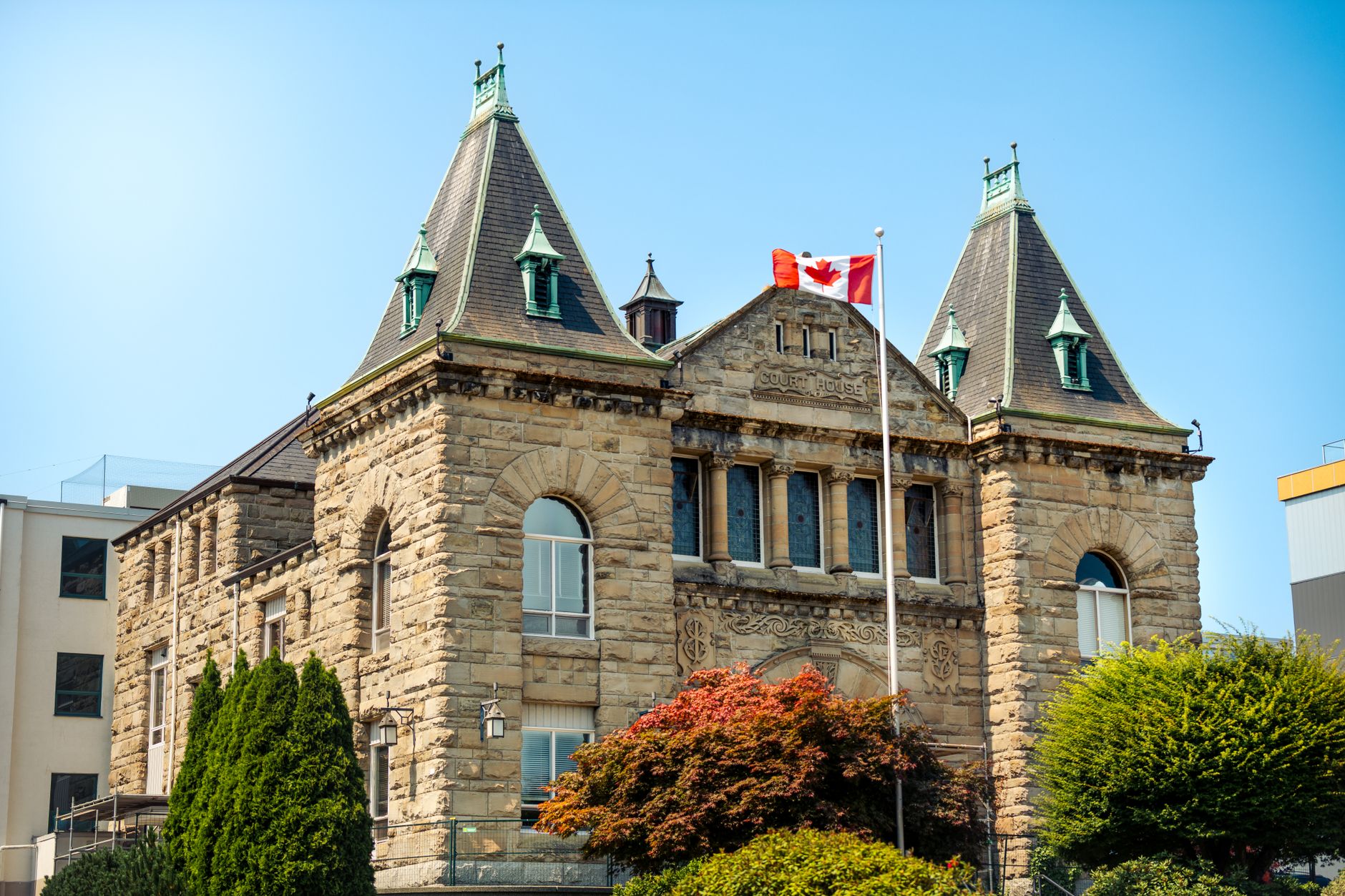
What’s at Stake in Oakland
The proceedings are set to unfold in a federal court in California, placing Meta squarely in a legal fight with consequences that reach well beyond whatever verdict eventually emerges. Trials of this length – six to eight weeks – are not routine. They signal the kind of factual complexity and volume of evidence that both sides believe they need time to fully present.
For Meta, the timing matters. The company has spent recent years navigating a thicket of regulatory scrutiny, congressional hearings, and advertiser pressure over how its platforms – particularly Instagram – affect younger users. A prolonged public trial adds a new layer of exposure, with courtroom disclosures potentially feeding coverage far outside the legal press.
What gets said in opening arguments Tuesday will set the tone for weeks of testimony, documents, and expert witnesses. Opening statements are not evidence, but they frame the narrative that jurors carry into everything they hear afterward. Both sides will be trying to establish that frame as early as possible.
The trial is being held in federal court, which means the procedures, evidentiary rules, and the potential reach of any outcome differ from a state-level proceeding. Federal civil trials of this scale can produce rulings – or settlements brokered under trial pressure – that shape how companies design products, disclose risks, and handle user data for years afterward.
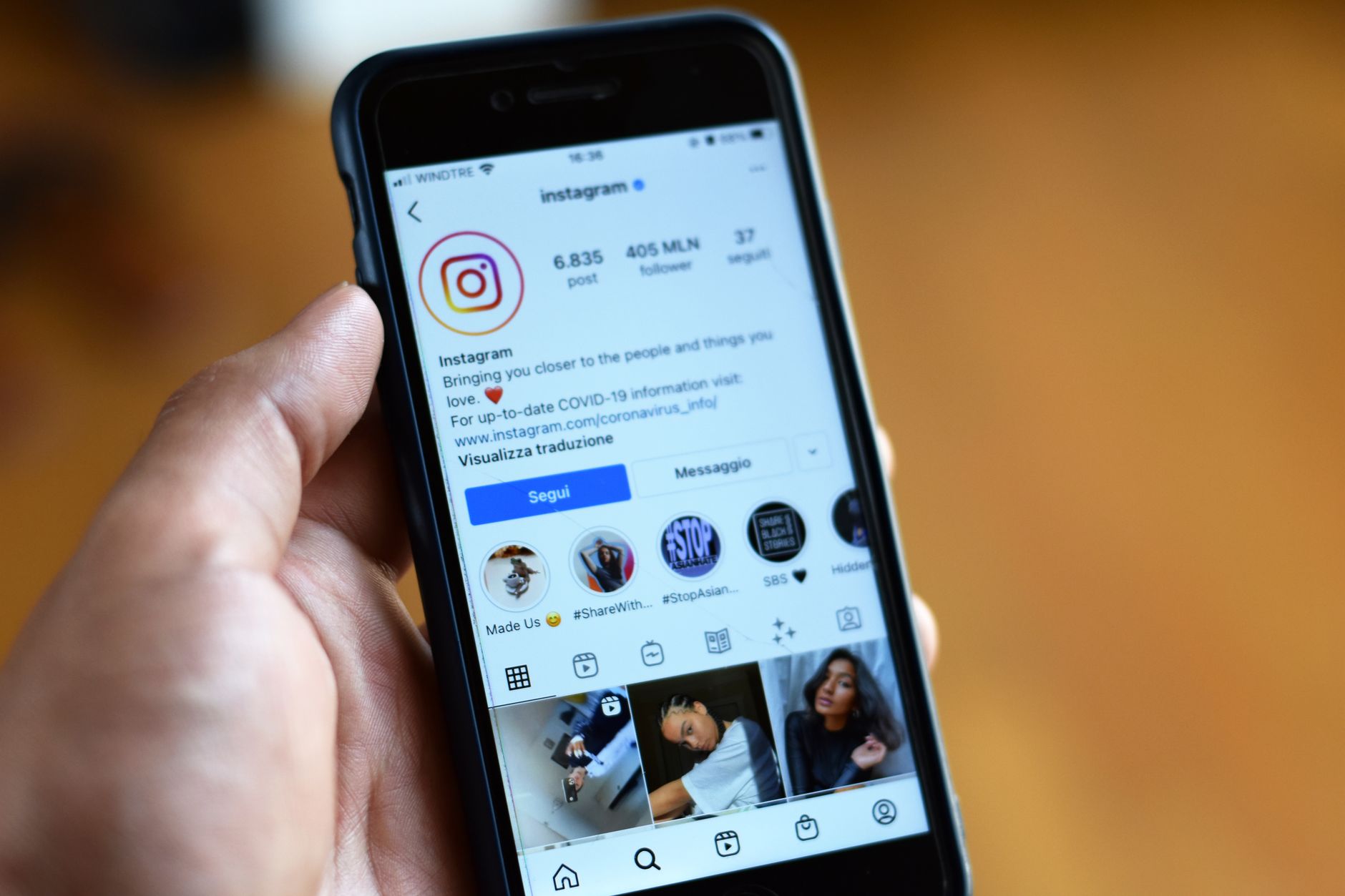
Meta’s Business and the Legal Pressure Around It
Meta’s core advertising business remains heavily dependent on engagement – time users spend on Facebook and Instagram directly drives the revenue the company reports each quarter. That business model has drawn criticism from researchers, lawmakers, and now courts, on the argument that features built to maximize engagement may cause harm to younger users who haven’t developed the same ability to recognize or resist manipulative design patterns.
The company has pushed back on those characterizations consistently and publicly. Meta has argued that its platforms provide social connection, that parents and users have access to tools that limit exposure, and that holding a platform legally responsible for how individuals use it raises serious questions about where liability ends. Those arguments will now be tested in front of a jury rather than in a press release or a congressional hearing.
Advertisers, investors, and platform regulators across multiple jurisdictions will be watching. A trial that runs six to eight weeks generates a continuous drip of coverage – internal documents, executive testimony, expert analysis – that can shift public perception even before a verdict. Meta has seen that dynamic before. The 2021 release of internal research by whistleblower Frances Haugen produced a sustained reputational episode that lasted months and contributed to legislative proposals in Washington and Brussels.
Whatever emerges from this California courtroom adds to a body of legal and regulatory action accumulating around Meta globally. The European Union has already imposed significant fines under its data protection framework. The Federal Trade Commission has pursued its own proceedings. State attorneys general have filed suits. The California trial is one piece of a much larger legal architecture being built around the company – but it is a piece that will be argued in public, in detail, for the better part of two months.
It’s worth noting that Meta’s stock price and quarterly results have so far shown limited lasting damage from prior controversies. Advertisers returned. Revenue grew. The platform’s user numbers remain enormous. That pattern may give the company’s leadership confidence heading into trial – or it may simply reflect that financial markets are pricing in a different risk calculation than the one being argued in court.
Six to Eight Weeks Is a Long Time
A trial scheduled to last six to eight weeks is, by any measure, a significant commitment of courtroom resources – and a long window during which unflattering details can surface. Internal communications, product design decisions, and research findings that companies would typically keep out of public view can become exhibits. What Meta knew, when it knew it, and what it chose to do with that knowledge are exactly the kinds of questions a trial like this is designed to answer.

Opening arguments begin Tuesday. Whatever Meta’s legal team says in those first hours will be measured against six weeks of evidence that follows – and if any of it doesn’t hold up, the gap between the opening promise and the courtroom reality is the story reporters and jurors will both be paying attention to.