


A Sharp Rebound in Seoul
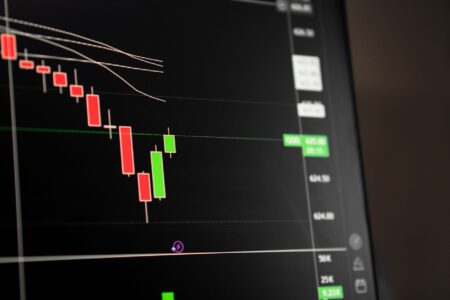
South Korea’s Kospi index surged more than 13% in a single session, pulled upward by a recovery in artificial intelligence-related stocks that had sold off earlier in the week and by gains on Wall Street that gave Asian markets a directional cue.
What Drove the Move
The scale of the Kospi’s jump – more than 13% – is the kind of move that stops traders mid-sentence. Single-day swings of that magnitude in a major national index are rare, and they tend to reflect something more compressed than a gradual shift in sentiment. In this case, the catalyst was a reversal in AI-linked equities, which had taken losses earlier in the week before snapping back hard.
AI stocks have become the most volatile segment of global markets, partly because their valuations are built on long-horizon expectations rather than near-term earnings. When those expectations wobble – whether from rising interest rates, disappointing product announcements, or shifts in capital flows – the selloffs can be steep. The bounce-back can be equally aggressive when buyers decide the dip has gone too far.
South Korea has particular exposure to AI-adjacent industries because its market is heavily weighted toward semiconductor manufacturers and electronics conglomerates. Companies supplying memory chips, display panels, and advanced packaging for AI hardware make up a significant portion of Kospi’s market capitalization. When global AI spending looks uncertain, the Kospi tends to feel it faster than most indexes. When confidence returns, the same dynamic runs in reverse. That is precisely what happened here.
Wall Street’s gains fed into the move as well. Asian markets frequently take their opening signals from U.S. equity performance, and a strong session in New York – particularly in technology-heavy indexes – tends to arrive in Seoul before local traders have finished their morning coffee. The combination of a domestic AI recovery and external Wall Street momentum created enough buying pressure to push the Kospi past a 13% single-session gain. The underlying AI competition driving those Wall Street moves has drawn pointed attention from U.S. policymakers, who have framed the sector as central to long-term economic rivalry.
Reading the Volatility
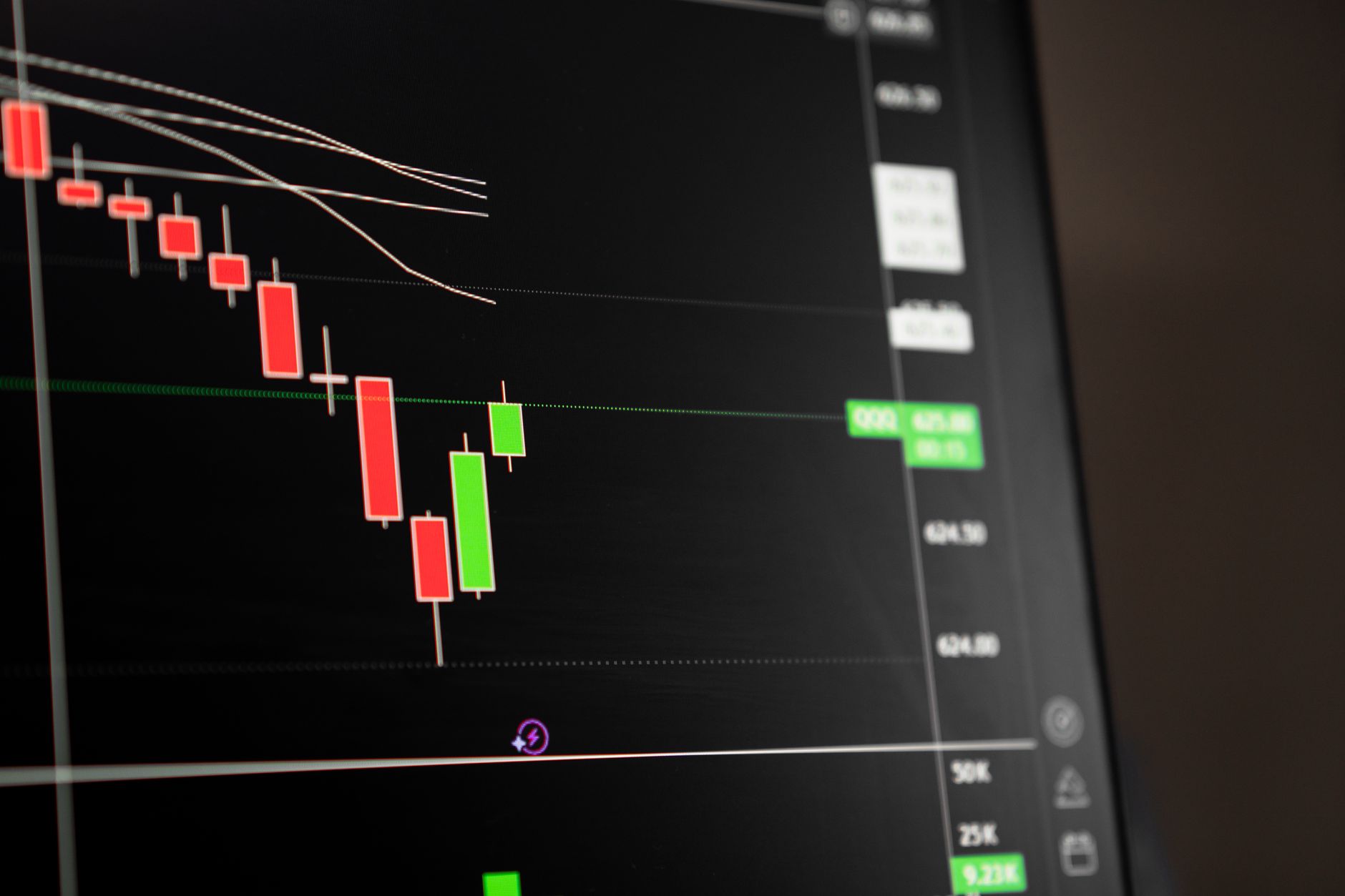
A 13% single-day jump does not erase the week’s anxiety – it records it. Markets that swing this sharply in both directions are communicating uncertainty, not resolution. The same AI stocks that recovered on this session were down meaningfully just days before, and nothing structural changed between those two data points to fully explain either move.
That kind of volatility reflects how tightly AI investment narratives are wound into global equity pricing right now. Institutional positioning in AI-exposed stocks has grown concentrated enough that when one major holder moves, others follow quickly. The Kospi’s 13% bounce is partly a story about South Korean companies and partly a story about how interconnected AI-sector sentiment has become across markets that are nominally independent of each other.
For retail investors in South Korea, sessions like this are particularly disorienting. A 13% gain sounds like a windfall, but for anyone who sold during the earlier losses this week, the recovery landed without them. Timing the AI trade has proven difficult even for professional fund managers operating with real-time data and dedicated research teams.
There is also the question of what comes next. Recoveries built on sentiment reversals – rather than earnings surprises or policy changes – can fade as quickly as they formed. The Kospi climbed because AI stocks bounced and Wall Street rose. Neither of those conditions is guaranteed to hold through the following session, let alone the following week.
South Korea’s broader economic picture adds another layer. The country is a major exporter, and its equity market functions partly as a barometer for global technology demand. When AI spending looks healthy, Korean chipmakers look healthy, and the Kospi reflects that. When spending forecasts are revised downward – by a single large buyer, a supply chain delay, or a policy shift in Washington or Beijing – the index tends to register the impact before most other markets do.
Where Things Stand
The Kospi’s more-than-13% jump gives back some of the week’s losses and resets the short-term narrative around AI stocks from correction to recovery. Whether that framing holds depends on conditions that remain genuinely unresolved – interest rate trajectories, AI capital expenditure commitments from major U.S. technology companies, and the pace at which new AI applications translate into hardware demand that directly benefits South Korean suppliers.
What is clear is that 13% moved in a day, and earlier in the same week it moved the other direction. South Korean investors are now watching the next Wall Street session with a specific question in mind: was this a floor, or a pause before another leg down?