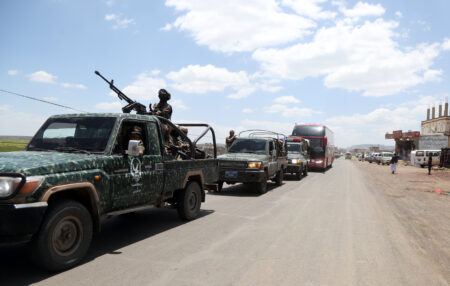



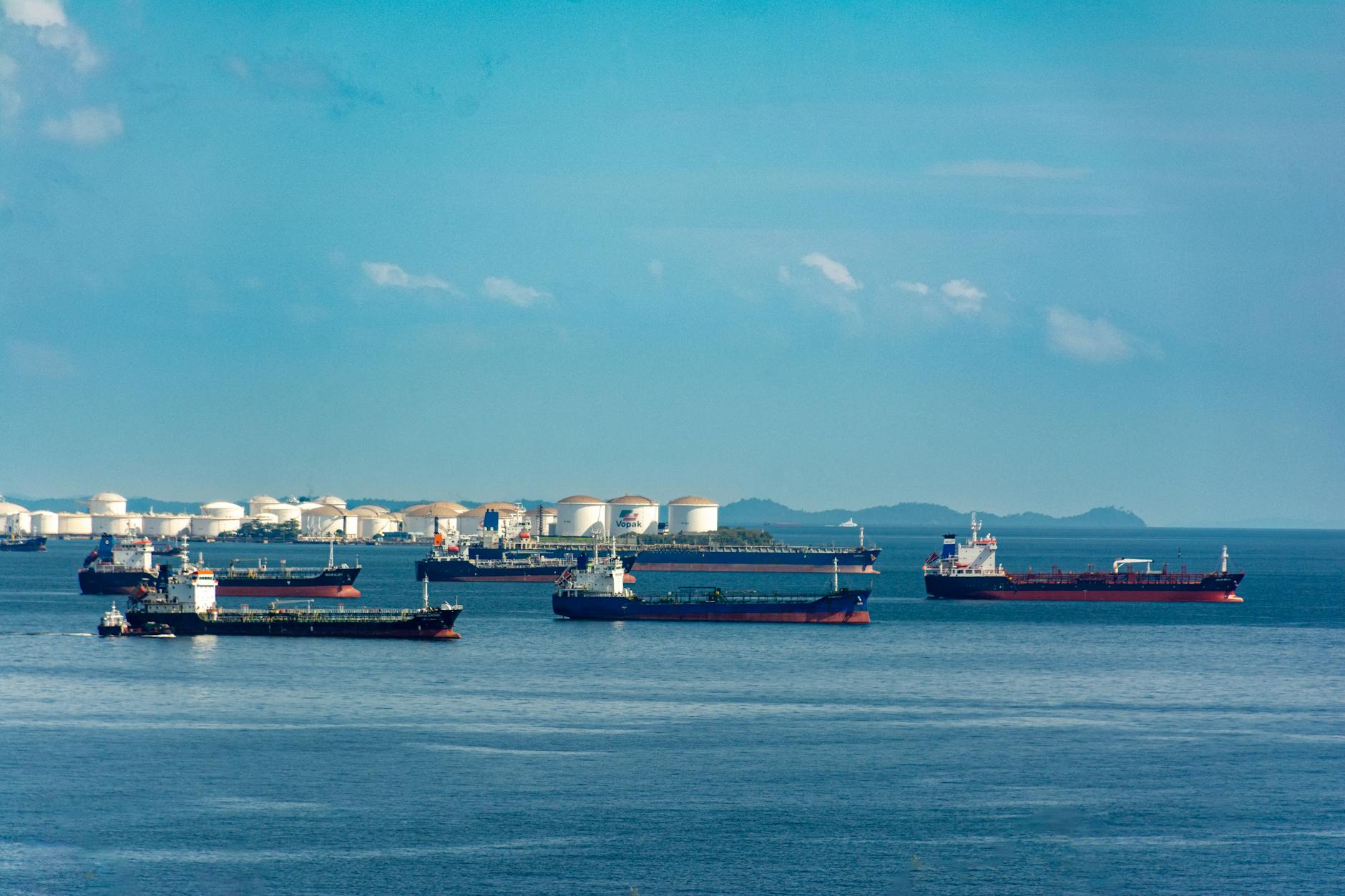
A commercial tanker came under projectile attack north of Fujairah on Monday, according to the United Kingdom Maritime Trade Operations agency, marking another escalation in regional shipping disruptions.
Attack Details and Location
The incident occurred in waters near Fujairah, one of the UAE’s major oil export terminals and a critical hub for global energy shipments. The UK Maritime Trade Operations agency, which monitors commercial vessel security in the region, confirmed that projectiles struck the tanker during Monday’s attack.
Fujairah serves as a strategic alternative to the Strait of Hormuz for oil exports, handling millions of barrels of crude and refined products monthly. The emirate’s location on the Gulf of Oman, outside the congested Persian Gulf, makes it particularly valuable for energy companies seeking to avoid chokepoint risks.
The agency has not released details about the vessel’s flag state, cargo, or the extent of damage from the projectile strike. Commercial shipping companies operating in the region have increased security protocols following similar incidents over recent months.
Regional tensions have made these shipping lanes increasingly dangerous for commercial vessels. Energy companies now factor security risks into their routing decisions, often adding insurance premiums and security escorts for tankers transiting the area.
Broader Regional Impact
The attack adds pressure to an already strained global energy supply chain. Shipping companies have rerouted vessels away from traditional Middle Eastern routes, adding weeks to delivery times and increasing transportation costs. Insurance rates for tankers operating in the region have jumped significantly as underwriters price in elevated risk levels.
Energy markets have responded to these disruptions with increased volatility. Oil futures contracts show persistent premium pricing for deliveries from Middle Eastern producers, reflecting traders’ concerns about supply chain reliability. The additional costs ultimately flow through to consumers in the form of higher fuel prices at gas stations and increased shipping costs for goods.
Major oil companies have started diversifying their supply sources and exploring alternative shipping routes. Some firms are securing long-term contracts with producers outside the Middle East, while others are investing in additional storage capacity to buffer against supply disruptions. These strategic shifts represent a fundamental change in how energy companies manage geopolitical risk.
The incident near Fujairah demonstrates that even ports considered relatively safe from regional conflicts remain vulnerable to attack. This reality has prompted shipping insurers to expand their risk assessments beyond traditional conflict zones to include previously stable areas.
Commercial vessel operators now maintain constant communication with naval forces and security agencies while transiting regional waters. The coordination includes real-time threat assessments and emergency response protocols designed to protect crews and cargo from projectile attacks and other security risks.
Industry Response
Shipping companies are implementing new technologies to protect their fleets, including enhanced radar systems and defensive countermeasures. Some operators have begun hiring private security contractors to accompany high-value tanker shipments through dangerous waters.
The attack raises questions about the long-term viability of traditional Middle Eastern shipping routes. Will energy companies permanently shift their supply chains away from the region, or will enhanced security measures eventually restore confidence in these critical trade corridors?