



Tesla’s energy storage division quietly generated $7 billion in revenue last quarter, marking a stunning transformation for what began as a side project to the company’s electric vehicle ambitions. The segment now accounts for nearly 20% of Tesla’s total revenue, signaling a dramatic shift in how investors should view Elon Musk’s empire.
What started as utility-scale battery installations has evolved into a comprehensive energy ecosystem spanning residential solar panels, commercial storage systems, and massive grid-stabilizing projects. Tesla’s energy business posted a 52% year-over-year growth rate in the most recent quarter, outpacing even their automotive segment’s impressive performance.
The pivot comes at a perfect time. As electric grids worldwide struggle with renewable energy integration and aging infrastructure, Tesla’s Megapack installations have become essential for utilities managing power fluctuations. California alone has deployed over 3 gigawatts of Tesla battery storage, helping the state navigate peak demand periods without rolling blackouts.
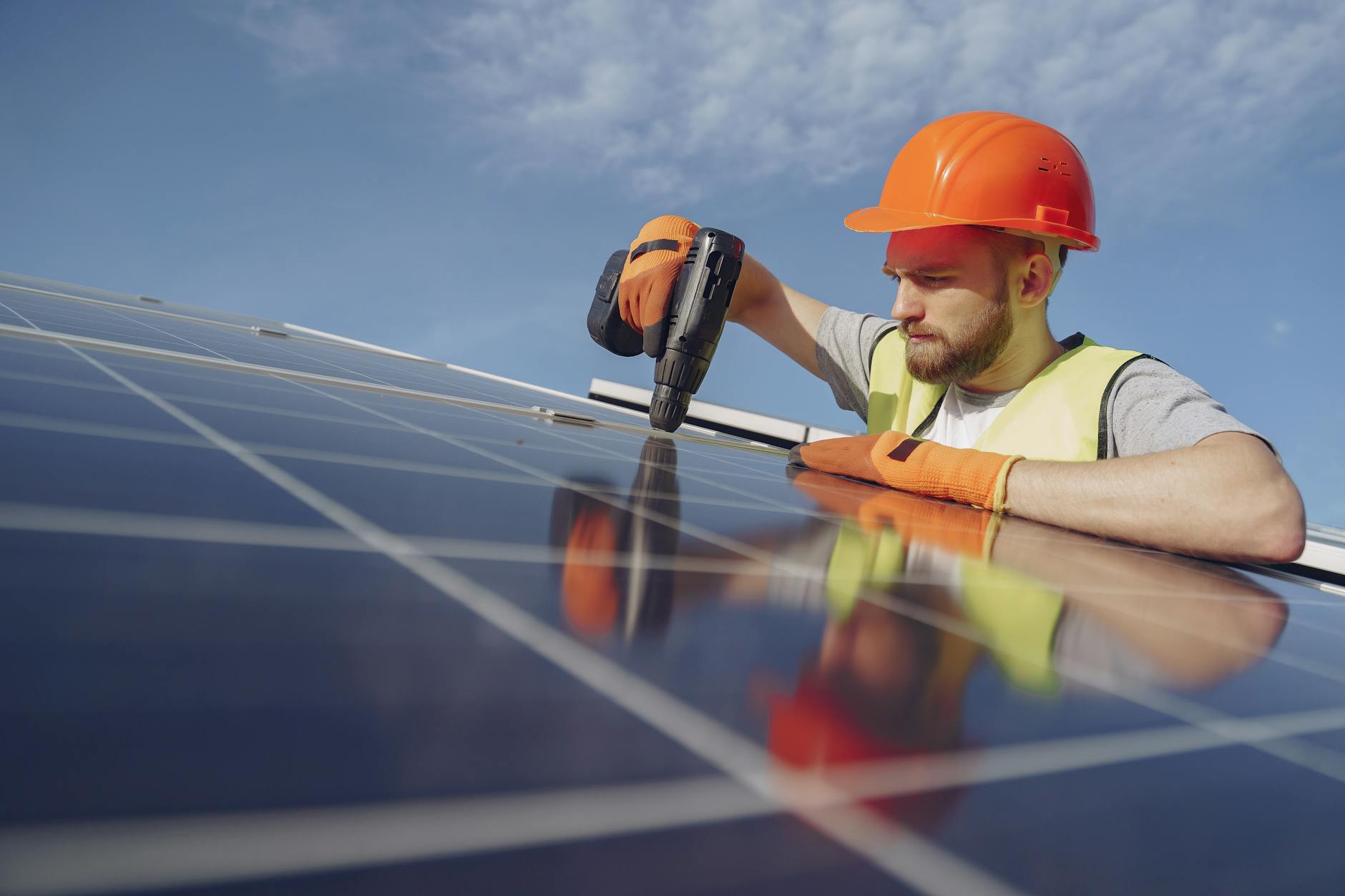
Megapacks Drive Utility-Scale Revolution
Tesla’s utility-scale Megapack systems now power critical infrastructure across four continents. Each Megapack unit stores 3.9 megawatt-hours of energy, enough to power approximately 3,600 homes for one hour. The company recently completed a 300-megawatt installation in California’s Monterey County, one of the largest battery storage projects in North America.
The business model proves particularly lucrative because utilities sign long-term contracts, providing Tesla with predictable revenue streams that automotive sales cannot match. Unlike car purchases, which represent one-time transactions, energy storage systems generate ongoing service revenue and replacement cycles every 10-15 years.
Major utilities including Pacific Gas & Electric, Southern California Edison, and Florida Power & Light have committed to multi-billion dollar Tesla deployments over the next decade. International expansion accelerates simultaneously, with significant projects underway in Australia, the United Kingdom, and Japan.
Tesla’s manufacturing advantage stems from their vertical integration strategy. The company produces battery cells, cooling systems, and power electronics in-house, allowing them to undercut traditional competitors like Fluence and Powin by 20-30% on large installations. This cost leadership has translated directly into market share gains.
Residential Energy Creates Recurring Revenue Streams
While utility projects grab headlines, Tesla’s residential energy business builds a different kind of moat. The company’s Solar Roof tiles and Powerwall home batteries create integrated home energy systems that tie customers into Tesla’s ecosystem for decades.
Tesla currently installs approximately 5,000 residential solar systems monthly, with nearly 80% including Powerwall battery storage. The average residential installation generates $25,000 in upfront revenue, plus ongoing monitoring and maintenance fees. More importantly, these installations create data streams Tesla monetizes through energy trading and demand response programs.
The residential strategy extends beyond individual homes. Tesla partners with homebuilders including Lennar, Pulte, and D.R. Horton to pre-install solar and storage systems in new construction. These partnerships have resulted in over 15,000 homes equipped with Tesla energy systems in 2024 alone.
Customer retention rates exceed 95% for residential energy customers, compared to roughly 70% brand loyalty in Tesla’s automotive segment. Energy customers frequently become Tesla vehicle buyers, creating cross-selling opportunities that boost lifetime customer value significantly.
Tesla’s mobile app integration allows customers to monitor energy production, storage levels, and utility costs in real-time. This data helps Tesla optimize energy trading algorithms that can reduce customer electricity bills by 30-40% annually, strengthening customer relationships while generating additional revenue for Tesla.
Energy Trading and Grid Services Unlock New Profits
Tesla’s most sophisticated revenue stream emerges from energy trading and grid services, where the company leverages its distributed network of batteries to participate in electricity markets. Tesla’s batteries can charge when electricity prices are low and discharge when prices spike, capturing arbitrage profits while providing grid stability.
The company operates virtual power plants in California, Texas, Australia, and the United Kingdom, aggregating thousands of individual Powerwall installations into coordinated networks. During peak demand periods, Tesla can discharge energy from these distributed batteries and sell power back to utilities at premium rates.
California’s grid operator pays Tesla up to $2,000 per megawatt-hour during emergency demand response events. With over 50,000 Powerwall installations in California alone, Tesla can generate millions in revenue during high-demand periods while helping prevent blackouts.
Tesla’s Autobidder software platform automatically participates in energy markets across multiple regions, optimizing revenue from battery installations without human intervention. The platform processed over $1.8 billion in energy trades during 2024, generating profit margins that exceed traditional utility operations.

International expansion of energy trading services represents Tesla’s next growth frontier. European markets offer particularly attractive opportunities, with countries like Germany and the Netherlands providing substantial incentives for battery storage installations that participate in grid balancing services.
Market Position and Future Outlook
Tesla controls approximately 65% of the U.S. utility-scale battery storage market, a commanding position that continues growing as competitors struggle with supply chain constraints and higher costs. The company’s energy storage order backlog exceeds $12 billion, providing revenue visibility into 2027.
Production capacity expansion accelerates to meet demand. Tesla’s Nevada Gigafactory dedicated additional production lines to energy storage manufacturing, while the company evaluates locations for dedicated energy storage manufacturing facilities in Texas and potentially overseas.
Competition intensifies as traditional players recognize the market opportunity. General Electric, Siemens, and Chinese manufacturers including CATL have announced aggressive expansion plans for energy storage systems. However, Tesla’s integrated approach and cost advantages position them well for continued market leadership.
The regulatory environment increasingly favors energy storage deployment. The Inflation Reduction Act provides substantial tax credits for battery installations, while state-level renewable energy mandates create sustained demand for storage systems. California’s requirement that new homes include solar panels drives residential market growth.
Tesla’s energy business transformation from automotive side project to profit center rival demonstrates the company’s ability to identify and dominate adjacent markets. As global electricity systems modernize and renewable energy adoption accelerates, Tesla’s energy storage empire appears positioned for sustained growth that could eventually overshadow their automotive origins entirely.
Frequently Asked Questions
How much revenue does Tesla’s energy storage business generate?
Tesla’s energy storage division generated $7 billion in revenue last quarter, representing nearly 20% of total company revenue.
What types of energy storage systems does Tesla offer?
Tesla offers utility-scale Megapacks, residential Powerwall batteries, and Solar Roof systems for comprehensive energy storage solutions.