



The silver tsunami is here. By 2030, all baby boomers will be 65 or older, fundamentally reshaping America’s economic landscape in ways that will touch every sector-but none more dramatically than healthcare. This demographic shift represents the largest generational transition in U.S. history, with profound implications for medical costs, insurance systems, and the broader economy.
The numbers paint a stark picture. America’s 65-and-older population is projected to grow from 56 million today to 95 million by 2060. This isn’t just about more seniors-it’s about exponentially higher healthcare costs. Adults over 65 typically spend three to five times more on healthcare than younger adults, creating a financial pressure cooker that’s already beginning to reshape how America budgets for medical care.

The Staggering Cost Multiplication
Healthcare spending follows an age curve that resembles a hockey stick. While Americans under 65 average about $4,500 annually in healthcare costs, those over 65 spend approximately $18,000 per year. The steepest increases occur after age 75, when chronic conditions compound and long-term care needs intensify.
Medicare, the federal program covering most Americans over 65, already consumes nearly 15% of the federal budget. Current projections show Medicare spending will nearly double from $900 billion in 2022 to $1.6 trillion by 2032. This growth rate far exceeds inflation and GDP growth, creating what economists call an unsustainable trajectory.
The complexity deepens when examining specific conditions. Alzheimer’s disease alone affects one in nine Americans over 65, with care costs averaging $373,000 per person over their lifetime. As the baby boomer generation ages, the Alzheimer’s Association estimates national costs for dementia care will reach $1 trillion annually by 2050.
Cancer presents another cost multiplier. While cancer rates have generally declined, the absolute number of cancer cases continues rising due to population aging. Oncology drugs represent some of the most expensive treatments in modern medicine, with immunotherapy regimens often costing $150,000 to $200,000 annually.
Ripple Effects Across Industries
The healthcare cost surge extends far beyond hospital systems and insurance companies. Employers offering retiree health benefits face mounting pressure as their former workers age into higher-cost categories. Many corporations have already scaled back these benefits or eliminated them entirely, shifting costs to individuals and government programs.
The pharmaceutical industry sees both opportunity and challenge. While demand for medications increases dramatically with age, pricing pressure intensifies as government programs become larger purchasers. Medicare’s new authority to negotiate drug prices, implemented through recent legislation, reflects this dynamic.
Healthcare real estate represents another rapidly evolving sector. Assisted living facilities, memory care centers, and specialized medical office buildings command premium valuations as demand outstrips supply. REITs focused on healthcare properties have become increasingly popular investment vehicles, though they carry regulatory risks tied to Medicare reimbursement changes.
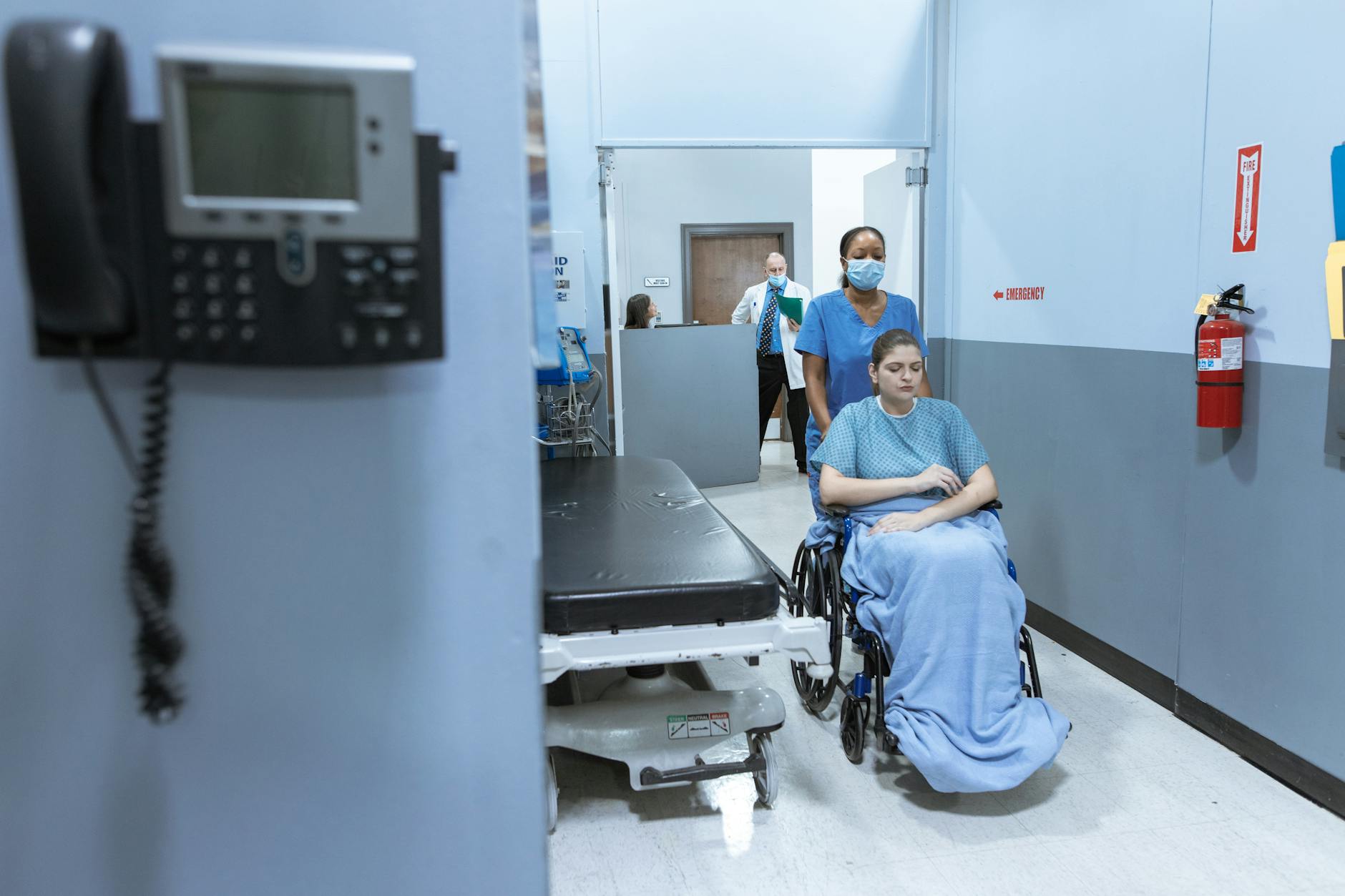
Labor markets face their own disruptions. Healthcare employment is projected to grow faster than any other sector, with nursing and home health aide positions showing particularly acute shortages. Wage inflation in healthcare support roles already outpaces general wage growth, adding another cost layer to an already expensive system.
The economic pressures mirror challenges seen in America’s childcare worker shortage crisis, where demographic shifts create labor supply-demand imbalances that ripple through the broader economy.
Innovation as Economic Necessity
Market forces are driving rapid innovation in healthcare delivery models. Telehealth adoption, accelerated by the pandemic, continues expanding as providers seek cost-effective ways to serve aging populations. Remote patient monitoring technologies reduce hospital readmissions while enabling aging in place-a preference for 90% of seniors according to AARP surveys.
Value-based care models are replacing traditional fee-for-service arrangements. Under these systems, providers receive payments based on patient outcomes rather than volume of services. Medicare Advantage, which operates on managed care principles, now covers nearly half of Medicare beneficiaries, reflecting this shift toward cost containment.
Artificial intelligence applications in healthcare show particular promise for managing aging populations. Predictive analytics help identify patients at risk for expensive complications, while AI-powered diagnostic tools reduce testing costs. However, the technology requires significant upfront investment, creating short-term financial pressure even as it promises long-term savings.
The private equity industry has taken notice, investing heavily in healthcare services targeting seniors. From dialysis centers to urgent care facilities, investor capital is flowing toward businesses positioned to serve aging Americans, though this financialization raises concerns about care quality and access.
Regional Economic Variations
Geographic factors add complexity to the aging population’s economic impact. Florida, Arizona, and other retirement destinations face concentrated pressure as they attract disproportionate numbers of seniors. These states must balance the economic benefits of retirement migration-retirees bring purchasing power and don’t require schools or other child-focused services-against higher healthcare infrastructure costs.
Rural areas face particular challenges. Many small towns have aging populations but lack the healthcare infrastructure to serve them effectively. Hospital closures in rural communities force residents to travel longer distances for care, creating both access problems and economic inefficiencies.
Urban centers with major medical facilities benefit from healthcare employment growth but struggle with housing costs as healthcare workers compete with other high-earning professionals. This dynamic affects recruitment and retention in healthcare roles, potentially constraining system capacity just as demand peaks.

The economic implications extend to state and local budgets. Medicaid, jointly funded by federal and state governments, covers long-term care costs for many seniors who exhaust their personal resources. State Medicaid spending on long-term services and supports has grown 60% since 2000, crowding out other budget priorities.
Preparing for the Demographic Reality
America’s aging population represents both challenge and opportunity. Healthcare costs will undoubtedly rise, but innovation and efficiency improvements can moderate the impact. Countries like Germany and Japan, which aged earlier than the U.S., provide models for managing demographic transitions without economic collapse.
Policy responses are already emerging. Medicare’s drug negotiation authority represents one approach to cost containment. Immigration reform could address healthcare worker shortages. Investment in preventive care and chronic disease management may reduce expensive acute care needs.
The private sector continues adapting, with everything from age-friendly home modifications to specialized insurance products. Technology companies are developing solutions for aging in place, while financial services firms create products for retirement healthcare costs.
The silver tsunami will reshape America’s economy over the next two decades. Healthcare costs will rise substantially, but this demographic shift also creates opportunities for innovation, efficiency, and new business models. Success will require coordinated responses across public and private sectors, treating aging not as a crisis to survive but as a demographic reality to manage strategically.
Frequently Asked Questions
How much do healthcare costs increase with age?
Americans over 65 spend about $18,000 annually on healthcare compared to $4,500 for younger adults, representing a three to four times increase.
What percentage of the federal budget does Medicare consume?
Medicare currently consumes nearly 15% of the federal budget and is projected to grow from $900 billion to $1.6 trillion by 2032.