



Hospital emergency rooms across America are closing beds not because of broken equipment or aging facilities, but because there simply aren’t enough registered nurses to staff them. What began as a workforce challenge has evolved into a financial crisis that’s reshaping the entire healthcare industry, with ripple effects reaching far beyond hospital walls.
The National Academy of Medicine estimates the United States faces a shortage of up to 3.2 million healthcare workers by 2026, with registered nurses comprising the largest segment of this deficit. This staffing crisis isn’t just a logistical headache – it’s become a major economic force driving up healthcare costs, reducing hospital capacity, and forcing fundamental changes in how medical care is delivered and priced.

The True Cost of Empty Nursing Stations
Travel nursing agencies have become the expensive Band-Aid for America’s nurse shortage, with hospitals paying premium rates to fill critical gaps. Where a staff nurse might earn $75,000 annually, travel nurses can command $2,000 to $3,000 per week, plus housing and travel allowances. This represents a cost increase of 200% to 300% per position.
Mayo Clinic, Cleveland Clinic, and other major hospital systems have publicly acknowledged spending tens of millions more on temporary staffing solutions compared to pre-pandemic levels. The American Hospital Association reports that hospitals nationwide increased their use of contract labor by 258% between 2019 and 2022, with nursing positions representing the majority of these expensive temporary placements.
Beyond direct staffing costs, the shortage forces hospitals to reduce bed capacity and cancel elective procedures. A typical medical-surgical unit requires a specific nurse-to-patient ratio mandated by state regulations and accreditation bodies. When nurses aren’t available, beds must remain empty regardless of patient demand. This creates a cascade of lost revenue that hospitals estimate ranges from $1,000 to $3,000 per unused bed per day, depending on the service line.
The Joint Commission and Centers for Medicare & Medicaid Services have also linked nursing shortages to increased medical errors and longer patient stays, both of which carry significant financial penalties for hospitals. Readmission rates – which trigger Medicare payment reductions – often correlate with inadequate nursing coverage during initial stays.
Overtime Economics and Burnout Cycles
Existing nursing staff bear the brunt of coverage gaps through mandatory overtime, often working 12-16 hour shifts multiple days in a row. While this might seem cost-effective compared to travel nurses, the overtime premium (typically time-and-a-half pay) combined with the inevitable burnout creates its own economic problems.
Burnout-driven turnover costs hospitals an estimated $82,000 to $103,000 per departing nurse when accounting for recruitment, onboarding, and the productivity gap during training periods. The Advisory Board Company’s research shows that high-turnover units can see their replacement costs reach $500,000 annually per 30-bed unit.
Emergency departments face particularly acute challenges, with some reporting nurse turnover rates exceeding 25% annually. ED nurses require specialized training and certification, making replacements even more expensive and time-consuming to secure. When experienced ED nurses leave, hospitals often must temporarily reduce emergency capacity or divert ambulances to other facilities, resulting in lost revenue and potential regulatory scrutiny.

The ripple effects extend to other healthcare workers as well. Mental health counselor shortages compound the problem, as hospitals struggle to provide comprehensive behavioral health services that often require nursing coordination and support.
Insurance Reimbursement Pressures Mount
Health insurance companies and Medicare administrators are pushing back against rising hospital costs, even as facilities argue that nursing shortages justify higher rates. This creates a financial squeeze where hospitals absorb increased labor costs without proportional reimbursement increases.
Value-based care contracts – which tie hospital payments to quality metrics and patient outcomes – become nearly impossible to fulfill when nursing ratios fall below optimal levels. Hospitals report losing bonus payments and facing penalties under these arrangements, creating additional financial pressure beyond the direct staffing costs.
Some hospital systems have begun including “staffing surcharges” in their contract negotiations with insurance providers, arguing that the nursing shortage represents an extraordinary circumstance requiring special consideration. However, insurers have generally resisted these proposals, preferring to push hospitals toward more efficient staffing models or alternative care delivery methods.
Rural hospitals face the most severe challenges, as they compete with urban facilities for limited nursing talent while operating on thinner financial margins. The American Hospital Association reports that rural hospital closures have accelerated partially due to unsustainable nursing costs, with 19 rural hospitals closing in 2022 alone.
Technology and Alternative Solutions Drive New Spending
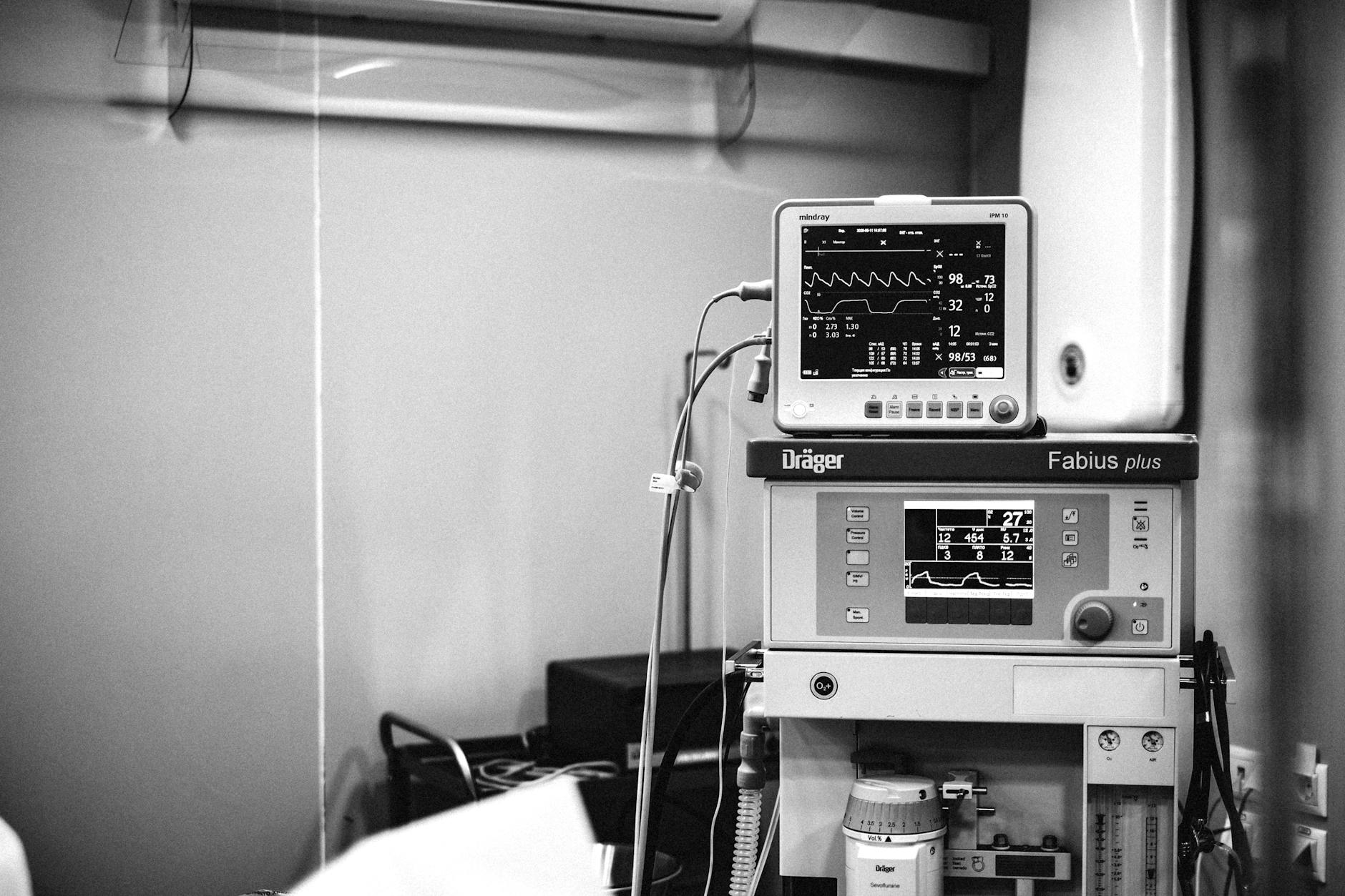
Hospitals are investing heavily in technology solutions designed to maximize existing nursing productivity and reduce workload burdens. Electronic health record systems, automated medication dispensing, remote patient monitoring, and AI-powered alert systems represent significant capital expenditures that hospitals justify as long-term nursing shortage mitigation strategies.
Telemedicine infrastructure has become particularly important, allowing a single nurse to monitor multiple patients across different locations. However, these technological solutions require substantial upfront investments and ongoing maintenance costs that strain already tight hospital budgets.
Some facilities are experimenting with expanded roles for medical assistants, pharmacy technicians, and other support staff to handle tasks traditionally performed by nurses. This approach requires extensive training programs and careful regulatory compliance, representing another category of shortage-related expenses.
Nursing education partnerships have become a strategic priority, with hospitals offering tuition assistance, loan forgiveness, and guaranteed employment to nursing students. While these programs may provide long-term staffing solutions, they require immediate financial commitments often exceeding $10,000 per student with no guarantee of retention after graduation.
Looking Forward: Structural Changes Ahead
The nursing shortage’s economic impact extends far beyond current hospital balance sheets, signaling fundamental shifts in healthcare delivery and pricing. Labor economists project that nursing wages will continue rising faster than general healthcare inflation, making traditional hospital staffing models increasingly unsustainable.
Some hospital systems are exploring nurse-owned staffing cooperatives and profit-sharing models designed to improve retention while controlling costs. Others are partnering with nursing schools to create apprenticeship programs that combine work and education, potentially reducing the time and cost required to develop new nurses.
The shortage has also accelerated discussions about scope-of-practice expansions for nurse practitioners and physician assistants, potentially reshaping the entire hierarchy of hospital care delivery. These changes could reduce dependence on registered nurses for certain functions while creating new categories of healthcare workers with different cost structures.
As hospitals, insurers, and policymakers grapple with these challenges, one thing remains clear: the nursing shortage has moved beyond a staffing problem to become a defining economic force that will shape American healthcare for years to come. The solutions emerging today will determine not just who provides care, but how much that care costs and where it can be delivered sustainably.
Frequently Asked Questions
How much more do travel nurses cost compared to staff nurses?
Travel nurses can cost 200-300% more than staff nurses, earning $2,000-$3,000 weekly plus benefits versus $75,000 annually for permanent staff.
Why do hospitals close beds during nursing shortages?
State regulations and accreditation requirements mandate specific nurse-to-patient ratios, forcing hospitals to close beds when adequate nursing staff isn’t available.