



The construction site sits eerily quiet at 7 AM on a Tuesday morning in suburban Denver. Where dozens of workers should be framing houses and pouring foundations, only half a crew shows up. The project manager checks his phone for the third time, hoping to hear back from the electricians and plumbers who were supposed to start work this week. They never call.
This scene plays out across America daily as the skilled trades face an unprecedented worker shortage that’s reshaping the entire economy. From delayed construction projects to skyrocketing repair costs, the shortage of skilled tradespeople is creating a ripple effect that touches every sector of American business.
The numbers tell a stark story. The National Association of Home Builders reports that 88% of construction firms struggle to find qualified workers. Meanwhile, the American Society of Civil Engineers estimates the U.S. needs to fill 430,000 skilled trade positions by 2031 just to meet current demand. This isn’t just about construction – manufacturing, utilities, and infrastructure maintenance all depend on skilled trades workers who are increasingly difficult to find.

The Perfect Storm: Why Skilled Workers Are Disappearing
Multiple forces converge to create this shortage. The most obvious factor is demographic: baby boomers are retiring en masse from trades jobs they’ve held for decades. The Bureau of Labor Statistics shows that 25% of construction workers are over 55, compared to 20% across all industries. These experienced workers take decades of knowledge with them when they leave.
But retirement alone doesn’t explain the crisis. Cultural shifts have steered young people away from trades careers for the past two generations. Parents and guidance counselors pushed college as the only path to middle-class success, often dismissing trades as “backup plans.” High schools eliminated shop classes and vocational programs, cutting off the traditional pipeline from education to apprenticeships.
The 2008 recession delivered another blow. Construction and manufacturing shed millions of jobs, forcing skilled workers into other careers. When demand rebounded, many workers had moved on permanently. The industry lost not just bodies, but institutional knowledge about training and mentorship that took years to rebuild.
Immigration patterns compound the problem. Historically, immigrant workers filled many entry-level positions in construction and manufacturing. Stricter immigration policies and border enforcement have reduced this labor pool, while global economic growth means workers have more opportunities in their home countries.
Economic Ripple Effects Across Industries
The skilled worker shortage creates cascading economic impacts that extend far beyond construction sites. Housing costs continue climbing partly because builders can’t complete projects on schedule. A typical single-family home now takes six months to build instead of four, driving up costs that get passed to buyers. The National Association of Realtors estimates that construction delays and labor costs add an average of $36,000 to new home prices.
Manufacturing faces similar pressures. Companies that once relied on a steady stream of machinists, welders, and technicians now compete fiercely for available workers. Wages have risen dramatically – welders in oil-rich states can earn over $80,000 annually – but higher labor costs make American manufacturing less competitive globally. Some companies are automating faster than planned, while others relocate operations to countries with larger skilled workforces.
Infrastructure maintenance suffers as utilities struggle to hire linemen, water treatment plant operators, and pipeline technicians. Deferred maintenance increases the risk of power outages, water main breaks, and other failures that cost businesses millions in lost productivity. The American Society of Civil Engineers calculates that inadequate infrastructure maintenance costs the economy $2.6 trillion over ten years.

The shortage also affects sectors that depend on skilled trades indirectly. Hospitals delay expansion projects when they can’t find enough electricians and HVAC technicians. Schools postpone building renovations. Even the tech industry feels the impact when data centers face construction delays or struggle to find qualified maintenance staff.
Small businesses bear disproportionate costs. Unlike large corporations that can offer premium wages and benefits, mom-and-pop contractors, repair shops, and local manufacturers often lose workers to better-paying opportunities. This concentration effect makes skilled workers even scarcer for typical homeowners and small business customers, driving up prices for basic services like plumbing repairs and equipment maintenance.
Innovation and Adaptation: How Industries Are Responding
Faced with persistent shortages, industries are adapting in creative ways. Construction companies increasingly use prefabricated components that require less on-site skilled labor. Modular housing, where sections are built in factories and assembled on-site, reduces construction time and labor needs. Some builders are experimenting with 3D printing for concrete work and robotic systems for repetitive tasks.
Technology is also changing how skilled workers are trained and deployed. Virtual reality systems let apprentices practice welding and electrical work in safe, controlled environments before working on actual projects. Augmented reality apps help less experienced workers by overlaying instructions and diagrams onto real-world tasks. These tools don’t replace skilled workers, but they help newer employees become productive faster.
Companies are rethinking their relationship with education. Major manufacturers like Siemens and Boeing partner directly with community colleges to create customized training programs. These partnerships ensure graduates have exactly the skills employers need while giving students clear career paths. Some companies pay tuition for promising students in exchange for employment commitments.
The military connection is getting renewed attention. Veterans already possess many skills that translate well to trades careers – discipline, attention to detail, ability to work in teams, and comfort with technical equipment. Programs like Helmets to Hardhats help service members transition to construction careers, while other initiatives focus on manufacturing and utilities.
Apprenticeship programs are evolving beyond traditional models. Instead of the standard four-year commitment, some programs offer shorter, more focused training for specific skills. Others combine classroom learning with paid work experience in multiple companies, giving apprentices broader exposure and employers access to talent they might not otherwise afford.
Geographic and Regional Variations
The skilled worker shortage affects different regions unequally, creating economic imbalances across the country. Energy-producing states like Texas, North Dakota, and Alaska offer premium wages that draw workers from other regions, exacerbating shortages elsewhere. A welder might earn $30 per hour in Ohio but $45 per hour in Houston, creating powerful incentives to relocate.
Urban areas face particular challenges as housing costs make it difficult for skilled workers to live where they work. A plumber earning $60,000 annually struggles to afford housing in San Francisco or New York, while the same salary provides a comfortable middle-class lifestyle in smaller cities. Some metropolitan areas are losing skilled workers to suburbs or smaller cities where housing is more affordable.
Rural areas often struggle most with shortages because they offer fewer opportunities and amenities that attract young workers. The closing of rural manufacturing plants and mines has eliminated many entry-level positions that traditionally led to skilled careers. Young people leave for college and don’t return, creating a cycle where communities lose both current and future skilled workers.
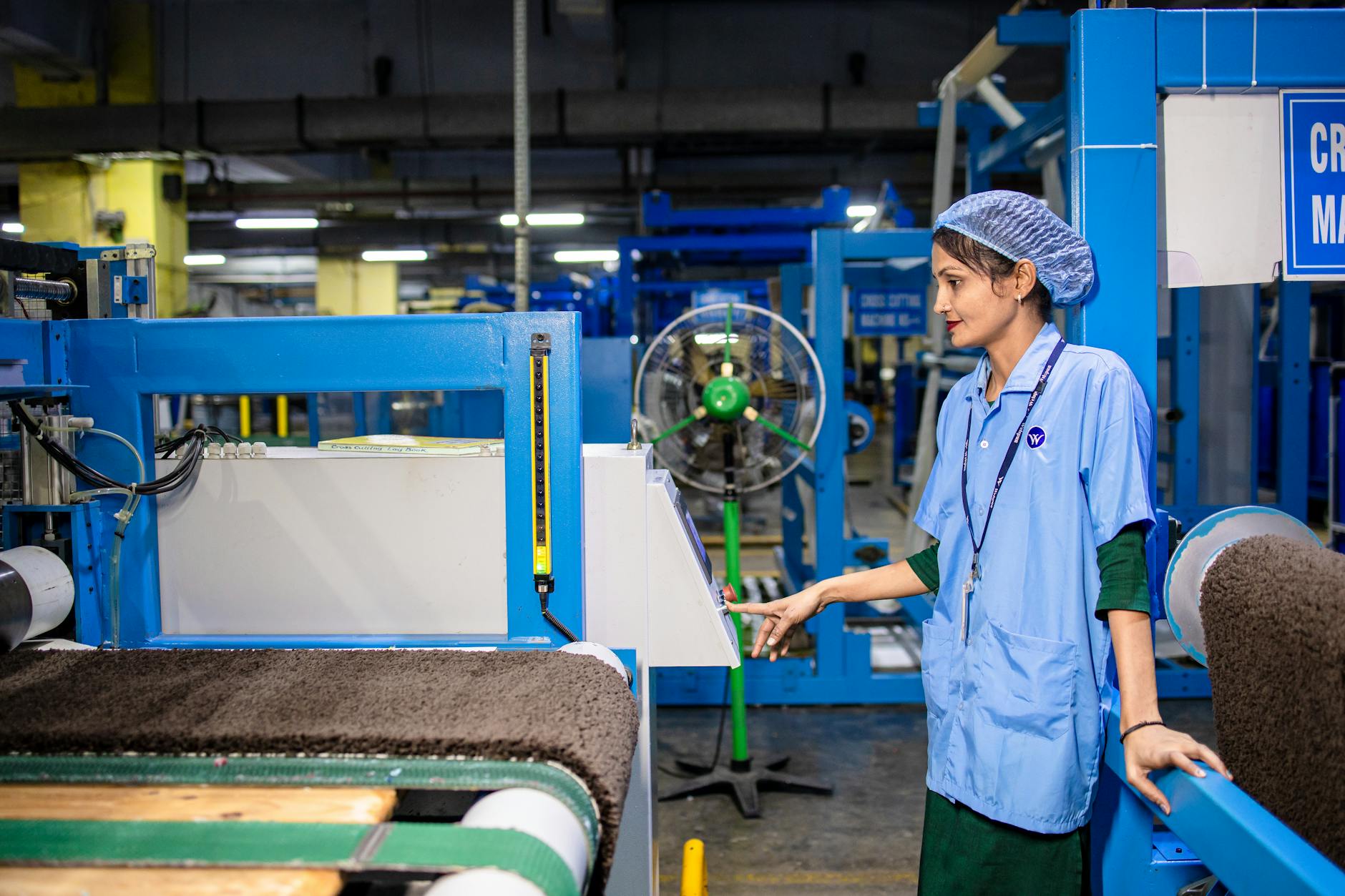
Regional economic development increasingly depends on addressing these workforce challenges. States are competing to attract skilled workers through tax incentives, training programs, and quality-of-life improvements. Some offer student loan forgiveness for trades graduates who commit to working in-state for several years. Others are investing in apprenticeship programs and career promotion campaigns to change public perceptions about trades careers.
The Path Forward: Long-term Solutions and Economic Implications
Solving America’s skilled worker shortage requires coordinated efforts across education, industry, and policy. Community colleges are expanding trades programs and updating equipment to match current industry standards. High schools are bringing back vocational education, often in partnership with local employers who provide equipment and internship opportunities.
Immigration policy will play a crucial role in any long-term solution. Other developed countries facing similar shortages have created specific visa programs for skilled trades workers. Canada’s Provincial Nominee Program allows provinces to recruit specific skilled workers, while Australia’s skilled occupation list prioritizes trades in immigration decisions.
Industry efforts are showing promise but need to scale dramatically. The current rate of apprenticeship completions would take decades to close the existing shortage, even without accounting for continued retirements and economic growth. Companies are experimenting with signing bonuses, enhanced benefits, and flexible scheduling to attract workers, but these short-term fixes don’t address the fundamental supply problem.
The economic stakes continue rising. McKinsey estimates that infrastructure needs alone require 2.2 million additional construction workers by 2030. Manufacturing reshoring efforts, driven partly by supply chain concerns highlighted during the pandemic, will increase demand for skilled production workers. The transition to renewable energy creates new categories of skilled jobs in solar installation, wind turbine maintenance, and electric grid modernization.
Like other critical worker shortages affecting the economy, the skilled trades gap represents both a crisis and an opportunity. Communities that successfully attract and train skilled workers will have significant competitive advantages in manufacturing, construction, and infrastructure development.
The shortage is reshaping American economic geography, wage structures, and career pathways in ways that will persist for decades. Success will require recognizing skilled trades as essential professions worthy of respect, investment, and strategic planning rather than afterthoughts in economic development efforts.
Frequently Asked Questions
How severe is America’s skilled worker shortage?
The US needs to fill 430,000 skilled trade positions by 2031, with 88% of construction firms struggling to find qualified workers.
What industries are most affected by the skilled worker shortage?
Construction, manufacturing, utilities, and infrastructure maintenance face the most severe impacts from skilled worker shortages.