



America’s Hidden Economic Crisis: The Skilled Trades Worker Shortage
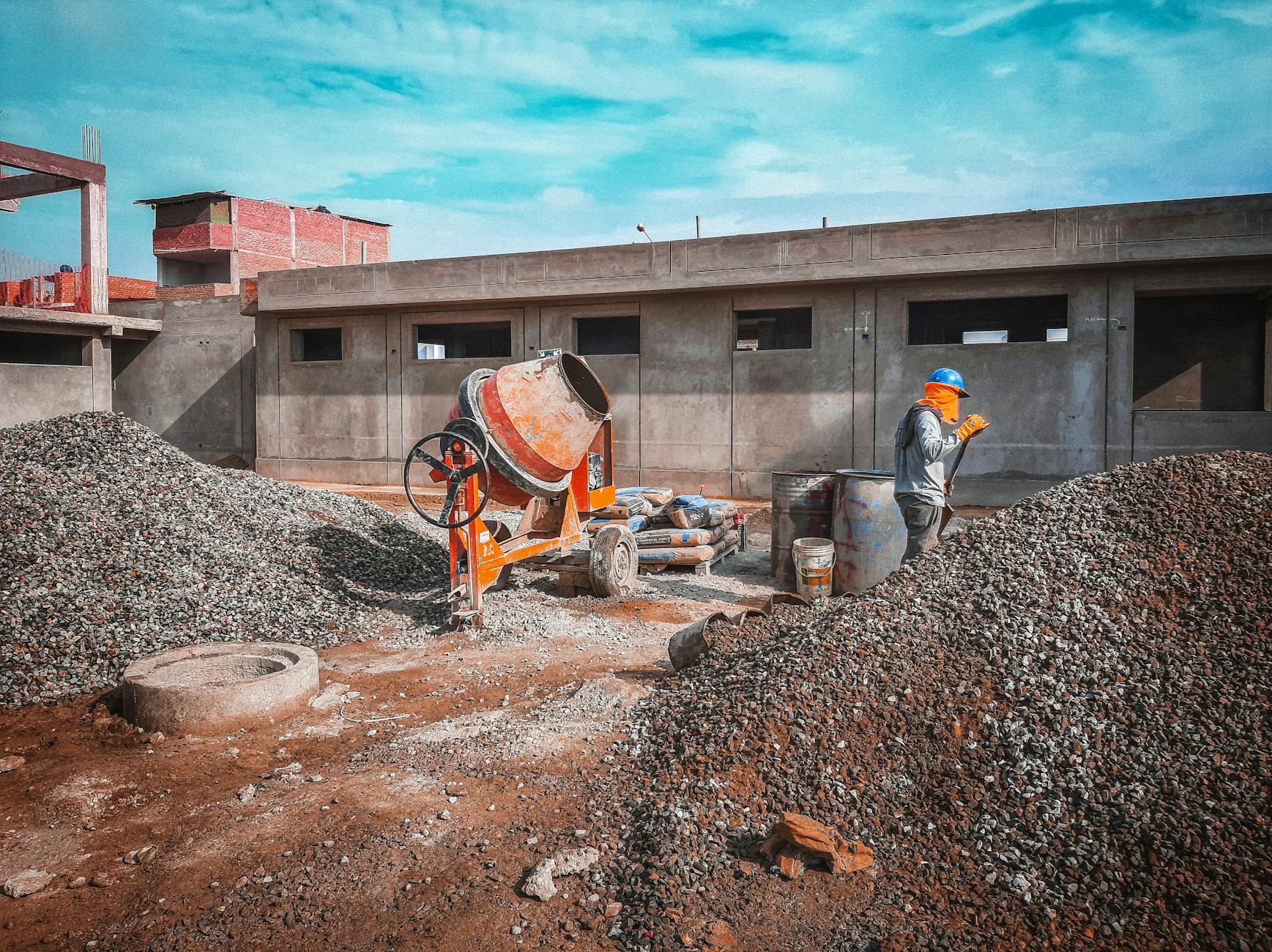
Construction sites sit half-finished across the country. Manufacturing plants struggle to fill production lines. Repair shops turn away customers because they can’t find qualified technicians. Welcome to America’s skilled trades crisis – a labor shortage that’s quietly reshaping the economy and costing businesses billions in lost productivity.
The numbers tell a stark story. The National Association of Manufacturers reports that 2.1 million manufacturing jobs could go unfilled by 2030. The Associated General Contractors of America found that 88% of construction firms struggle to find qualified workers. From welders to electricians, HVAC technicians to machinists, America faces a critical shortage of skilled workers just as infrastructure investment reaches historic levels.
This isn’t just a hiring headache – it’s an economic emergency that touches every sector. The ripple effects of unfilled skilled positions cascade through supply chains, delay major projects, and drive up costs for consumers nationwide.
The Perfect Storm Behind the Skills Gap
Multiple forces converged to create today’s skilled trades shortage. The “college for all” mentality that dominated the 1990s and 2000s steered an entire generation away from vocational careers. High schools eliminated shop classes and career-technical programs, funneling students toward four-year degrees regardless of their interests or aptitudes.
Demographics compound the problem. Baby Boomers are retiring en masse, taking decades of specialized knowledge with them. The Bureau of Labor Statistics projects that 430,000 construction workers will retire over the next decade, while only 185,000 new workers are expected to enter the field.
The 2008 financial crisis delivered another devastating blow. Construction employment plummeted by 1.5 million jobs, forcing experienced workers to flee the industry. Many never returned, creating a “lost generation” of potential mentors and skilled craftspeople.
Cultural perception plays a significant role too. Skilled trades carry an outdated stigma despite offering solid middle-class incomes, job security, and entrepreneurial opportunities. Many parents still view trade careers as backup plans rather than first choices, despite evidence that skilled tradespeople often out-earn college graduates.
Technology adds another layer of complexity. Today’s skilled trades require workers who can read blueprints, operate computerized equipment, understand building codes, and troubleshoot complex systems. These aren’t the “dirty jobs” of popular imagination – they’re sophisticated technical careers requiring continuous learning.
The Mounting Economic Toll
The skilled trades shortage extracts a heavy economic price across multiple sectors. Construction delays plague major infrastructure projects, from highway expansions to hospital construction. The American Society of Civil Engineers estimates that project delays due to labor shortages add 15-20% to construction costs nationwide.
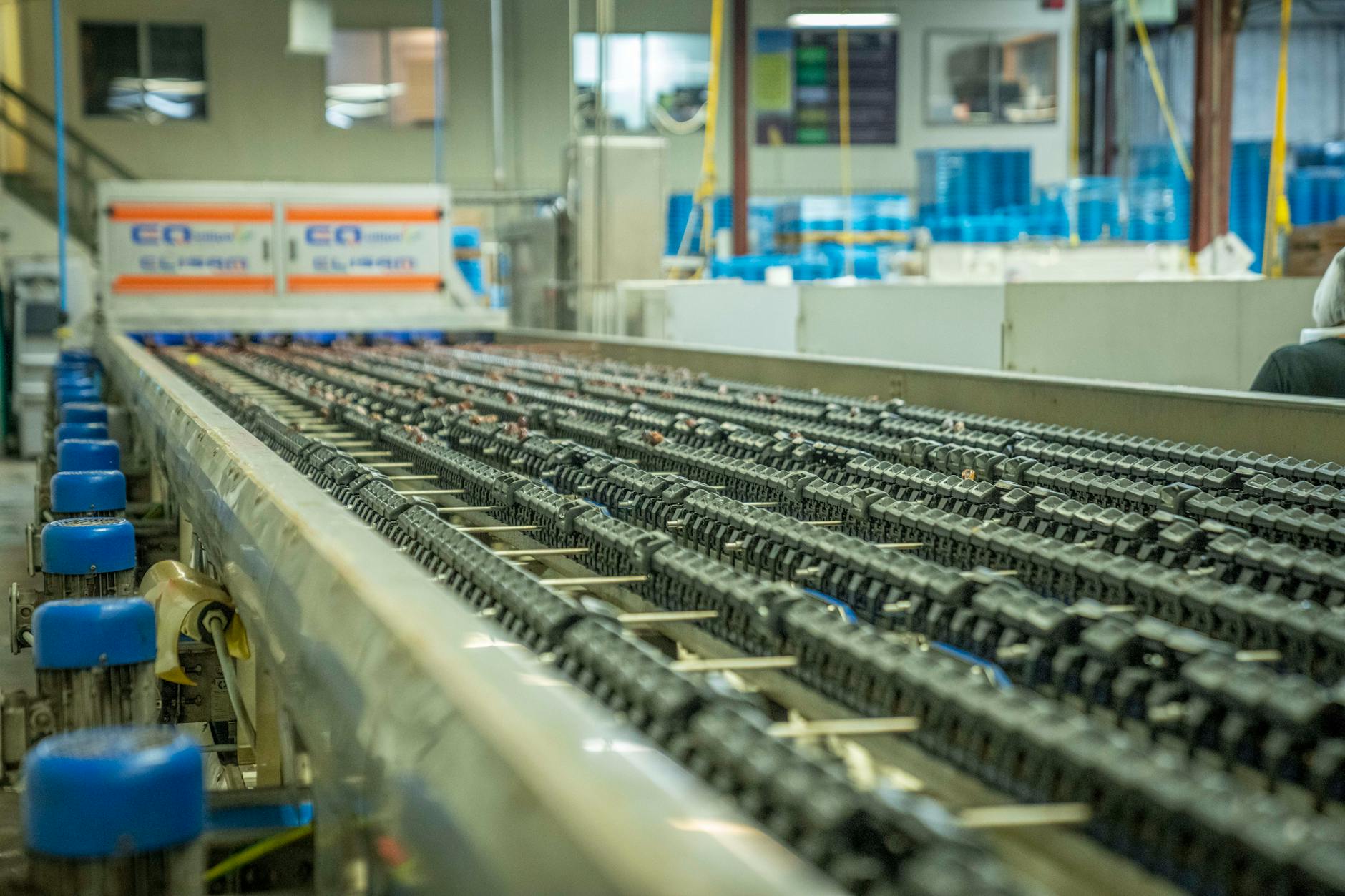
Manufacturing faces similar pressures. Unfilled machinist positions force companies to turn down orders or delay production runs. Some manufacturers report operating at 70% capacity simply because they can’t find qualified workers to run sophisticated equipment.
Energy sector projects suffer particularly acute impacts. Wind farm installations, solar panel manufacturing, and pipeline maintenance all require specialized skills in short supply. The renewable energy boom, dependent on skilled electricians and technicians, faces potential slowdowns as the workforce shortage intensifies.
Small businesses feel the squeeze most acutely. Independent contractors struggle to expand operations without qualified employees. Many established tradespeople report working excessive overtime to meet demand, leading to burnout and quality concerns.
The shortage creates wage inflation that ripples through the economy. Average construction wages increased 3.8% annually from 2019 to 2023, outpacing general wage growth. While good news for workers, these increases translate to higher costs for housing, infrastructure, and manufactured goods.
Regional Variations and Hot Spots
The skilled trades shortage affects different regions with varying intensity. States experiencing rapid population growth face the steepest challenges. Texas, Florida, and Arizona report critical shortages across multiple trades as housing demand outstrips worker availability.
Urban areas with booming tech sectors create unique dynamics. Seattle, San Francisco, and Austin see tremendous demand for construction and maintenance workers, but housing costs price out many tradespeople. This creates a vicious cycle where the workers needed to build affordable housing can’t afford to live where they’re needed most.
Rural areas face different challenges. Agricultural equipment technicians, power line workers, and telecommunications installers are increasingly scarce in farming communities. The consolidation of technical schools and limited public transportation compound rural workforce development challenges.
Some regions fare better due to established apprenticeship programs and trade school networks. Ohio, Wisconsin, and North Carolina maintain stronger pipelines of skilled workers through collaborative efforts between employers, unions, and educational institutions.
Energy-producing states like North Dakota, West Virginia, and Louisiana experience cyclical shortages tied to commodity prices. When oil and gas prices rise, demand for specialized welders, equipment operators, and maintenance technicians surges faster than training programs can respond.
Economic Opportunities Within the Crisis
Despite the challenges, the skilled trades shortage creates significant economic opportunities. Workers entering these fields enjoy strong job security and earning potential. The median income for skilled trades workers often exceeds that of many college graduates, without the burden of student loan debt.
Entrepreneurial opportunities abound for skilled tradespeople. The shortage enables qualified contractors to command premium rates and expand operations rapidly. Many successful business owners report starting as apprentices and building substantial enterprises around their technical expertise.
Technology integration opens new career paths within traditional trades. Building Information Modeling (BIM) specialists, drone pilots for construction surveying, and renewable energy system installers represent emerging specialties with strong growth potential.

The infrastructure investment boom presents unprecedented opportunities. The Infrastructure Investment and Jobs Act allocates hundreds of billions for roads, bridges, broadband, and clean energy projects. The CHIPS Act promises domestic semiconductor manufacturing jobs requiring advanced technical skills.
Investment in apprenticeship programs shows promising returns. Companies like Aon Construction Partners and Skanska report that apprenticeship graduates stay with employers longer and advance more quickly than traditional hires. Germany’s dual education system, which combines classroom learning with hands-on training, serves as a model for American workforce development initiatives.
Looking Ahead: Solutions on the Horizon
Addressing America’s skilled trades shortage requires coordinated action across multiple sectors. Educational institutions are beginning to respond with expanded career-technical programs and industry partnerships. Community colleges increasingly offer stackable credentials that allow workers to build skills progressively while earning income.
Employer-led initiatives show promise too. Major contractors invest in proprietary training programs, offering paid apprenticeships with guaranteed employment. These programs often partner with high schools to create career pathways that bypass traditional four-year college routes.
Policy changes at state and federal levels support workforce development. Tax incentives for apprenticeship programs, increased funding for career-technical education, and immigration reform to address labor shortages all gain bipartisan support.
The skilled trades shortage represents both a significant economic challenge and a remarkable opportunity. As American infrastructure ages and renewable energy deployment accelerates, demand for skilled workers will only intensify. The communities, companies, and individuals who invest in building this workforce today will reap substantial economic rewards tomorrow. The question isn’t whether America will solve its skilled trades shortage – it’s how quickly we can mobilize the resources and political will to build the workforce our economy desperately needs.
Frequently Asked Questions
How many skilled trades jobs will go unfilled by 2030?
The National Association of Manufacturers projects 2.1 million manufacturing jobs could remain unfilled by 2030 due to the skills shortage.
What’s causing America’s skilled trades worker shortage?
The shortage stems from Baby Boomer retirements, cultural emphasis on college education, 2008 financial crisis impacts, and outdated perceptions of trade careers.