



The vacant classroom at Roosevelt Elementary sits empty for the third consecutive month, its desks arranged for students who will never come. Down the street, a “For Sale” sign sways in front of a modest three-bedroom home where the Hendersons once raised their family. The connection between these two scenes reveals one of America’s most overlooked economic stories: how the nationwide teacher shortage is quietly reshaping local housing markets across the country.
America faces its most severe teacher shortage in decades, with over 300,000 educator positions unfilled nationwide. This crisis extends far beyond classroom walls, creating ripple effects that are fundamentally altering the economic landscape of communities from rural Kansas to suburban California. As schools struggle to attract and retain qualified educators, families are making difficult decisions that are transforming local real estate markets in unexpected ways.

The Hidden Housing Connection
The relationship between teacher shortages and housing markets operates through multiple channels, creating a complex web of economic consequences that few policymakers anticipated. When schools cannot maintain adequate staffing levels, property values in affected districts typically decline as families seek areas with stronger educational systems.
Real estate agents in affected communities report a noticeable shift in buyer behavior. “Families with school-age children are specifically asking about teacher retention rates and class sizes before even touring homes,” says Maria Rodriguez, a real estate broker in Phoenix. “They’re willing to pay more for homes in districts with stable teaching staff.”
This trend has created a two-tiered housing market in many metropolitan areas. Districts with chronic teacher shortages see slower home sales, longer time on market, and downward pressure on prices. Meanwhile, neighboring districts with better teacher retention experience increased demand and rising property values, creating affordability challenges for middle-income families.
The phenomenon particularly affects newer housing developments that were built expecting continued population growth. Developers who invested in communities anticipating young families now face slower sales as potential buyers gravitate toward established areas with proven educational stability. Some developments have reduced asking prices by 10-15 percent to attract buyers, according to local market data.
Teachers as Economic Anchors
Teachers traditionally serve as economic anchors in their communities, purchasing homes, supporting local businesses, and contributing to the tax base. When these professionals leave or avoid certain districts entirely, the economic impact extends beyond the classroom.
The average teacher in America earns approximately $65,000 annually, making them solid middle-class consumers who drive local economic activity. Their departure creates a multiplier effect as reduced spending power affects restaurants, retail stores, and service providers. Communities experiencing significant teacher exodus report declining retail sales and increased commercial vacancy rates.
Rural communities face particularly acute challenges. In small towns where teachers often represent a significant portion of the educated workforce, their departure can trigger broader economic decline. Local businesses report difficulty finding qualified employees, while municipal leaders struggle to maintain property tax revenues needed for infrastructure and services.
Some districts have attempted to address housing-related teacher retention issues through innovative programs. Oklahoma City schools partnered with local developers to offer down payment assistance for new teachers, while districts in Colorado have explored teacher housing cooperatives. However, these efforts remain limited in scope and funding.
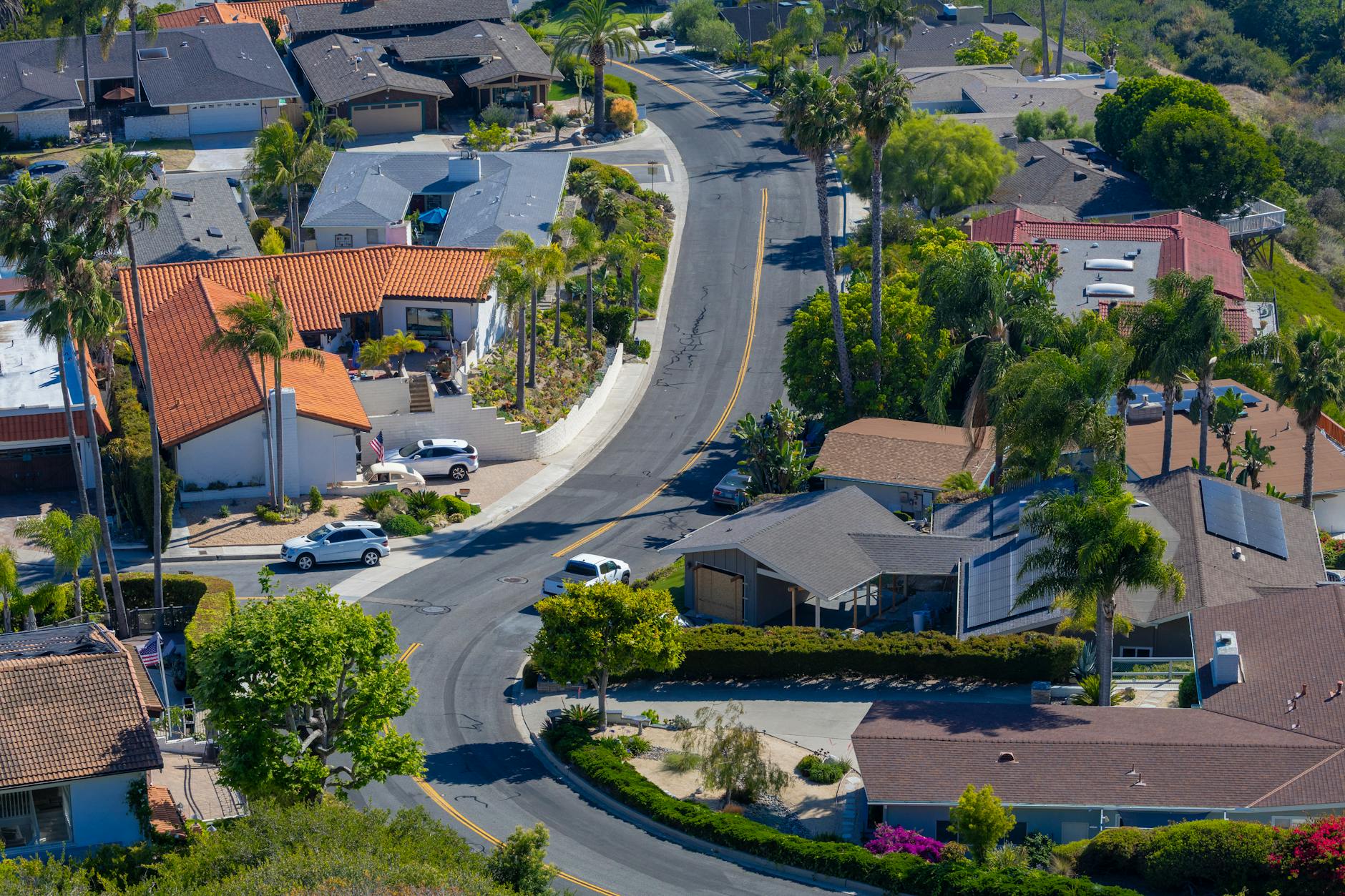
The teacher shortage has also created opportunities for some real estate investors. Properties in affected school districts often sell below market value, attracting investors who bet on eventual recovery. However, this investment activity can further complicate housing affordability for families and teachers who might otherwise purchase homes in these communities.
Regional Variations and Market Responses
The impact varies significantly by region, with some areas experiencing more severe disruption than others. States with lower teacher pay relative to cost of living, such as Arizona, North Carolina, and parts of Texas, show the strongest correlation between educator shortages and housing market weakness.
California’s teacher shortage has created particular challenges in high-cost areas where even dual-teacher households struggle to afford homes. The state’s housing crisis compounds the educator shortage, as teachers increasingly choose to commute long distances or leave the profession entirely rather than attempt homeownership near their schools.
Conversely, some states have seen positive market responses to teacher-friendly policies. Massachusetts and Connecticut, which offer competitive teacher compensation and benefits, report stable housing markets in districts with strong educational reputations. These areas command premium prices as families prioritize school quality in their housing decisions.
The commercial real estate sector has also adapted to these trends. Shopping centers and office complexes in teacher-shortage areas report higher vacancy rates and reduced rental income. Some property managers have begun offering discounted lease rates to education-related businesses and tutoring centers, hoping to maintain occupancy while serving communities affected by classroom shortages.
Like the broader economic disruptions seen in America’s childcare worker shortage crisis, the teacher shortage creates cascading effects that touch multiple sectors of the economy.
Long-term Economic Implications
The intersection of teacher shortages and housing markets points toward larger structural changes in American communities. Demographics show that millennials, now the largest home-buying generation, prioritize school quality when making housing decisions. This trend suggests that communities unable to maintain adequate teaching staff may face sustained housing market challenges.
Municipal finance officials worry about the long-term implications for property tax revenues. Since schools typically represent the largest portion of local government budgets, declining property values create a negative feedback loop where reduced tax revenues make it even harder to attract and retain teachers through competitive compensation.

Some economists predict that persistent teacher shortages could accelerate existing trends toward educational privatization and remote learning options. If families increasingly choose private schools or homeschooling due to public school staffing issues, the traditional relationship between school districts and residential property values may weaken further.
However, communities that successfully address teacher retention often see rapid housing market recovery. Districts that have raised teacher pay, improved working conditions, or offered innovative benefits report renewed family interest and stabilizing property values. These success stories suggest that targeted investments in education can yield broader economic returns.
The teacher shortage’s impact on housing markets represents more than statistical correlation – it reflects fundamental changes in how Americans choose where to live and invest. As communities grapple with educator recruitment and retention, their success or failure increasingly determines their economic trajectory. The districts that recognize this connection and act decisively to support their teaching workforce are positioning themselves for long-term prosperity, while those that ignore the link between classroom stability and community economic health may find themselves caught in a cycle of decline that extends far beyond their school walls.
Frequently Asked Questions
How does teacher shortage affect home values?
Districts with chronic teacher shortages typically see declining property values as families seek areas with stable educational systems and adequate staffing.
Which areas are most affected by teacher shortage housing impacts?
States with low teacher pay relative to cost of living, such as Arizona, North Carolina, and parts of Texas, show the strongest correlation between educator shortages and housing market weakness.