



America’s trucking industry moves 72 percent of all freight by weight, generating over $800 billion in annual revenue. Yet this economic powerhouse faces a crippling shortage of drivers that threatens to reshape supply chains, consumer prices, and regional economies across the nation.
The American Trucking Associations reports a shortfall of over 80,000 drivers, with projections suggesting this gap could reach 160,000 by 2031. This isn’t just a logistics problem – it’s an economic crisis that ripples through every sector of the American economy, from grocery stores to manufacturing plants.
The shortage stems from multiple factors: an aging workforce with nearly half of all drivers over 45, demanding work conditions that keep drivers away from home for weeks, relatively low pay compared to the physical and mental demands, and strict federal regulations that limit driving hours and require extensive training periods.
Supply Chain Disruptions Drive Inflation
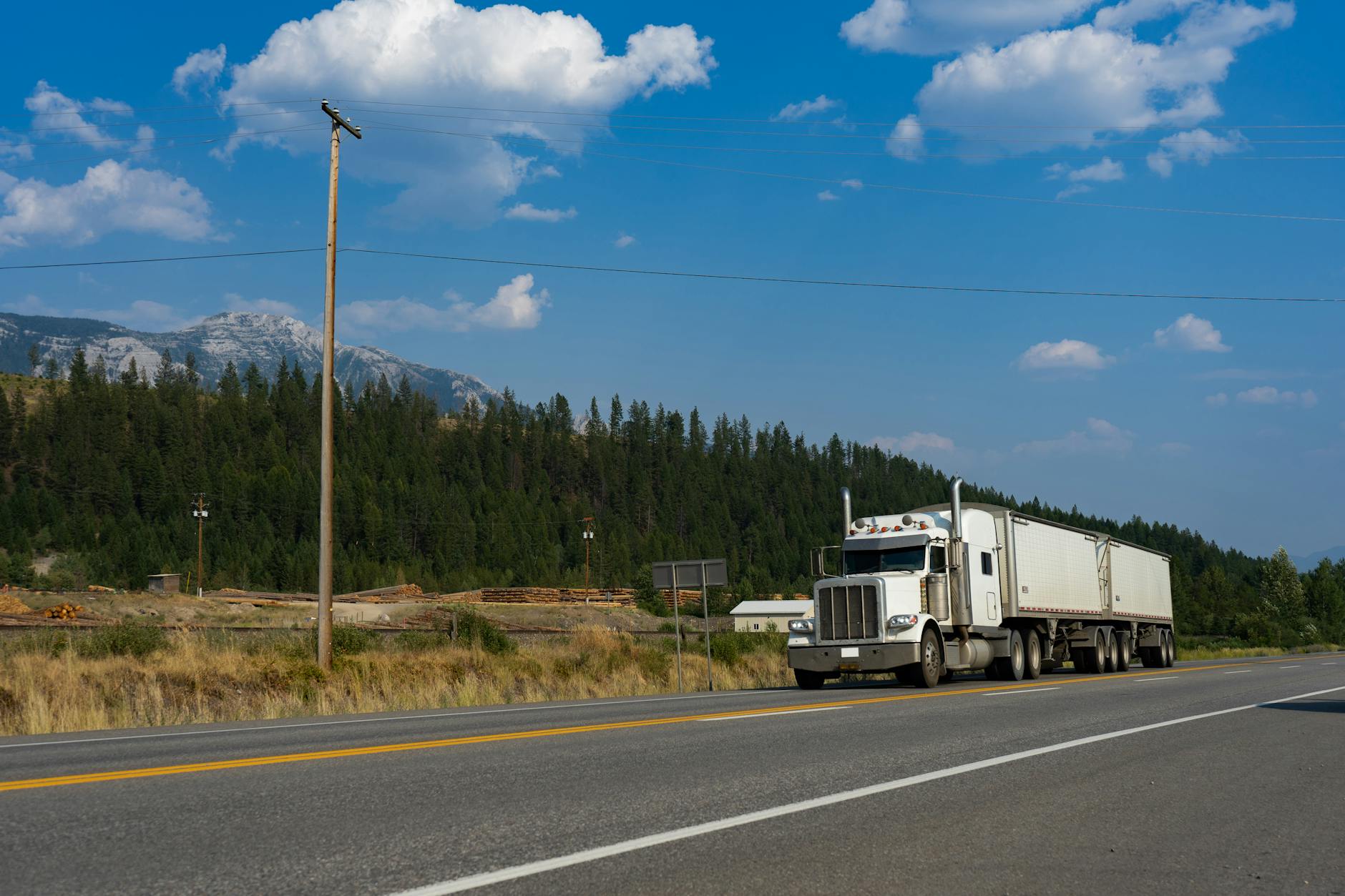
The driver shortage creates immediate pressure on shipping costs, with freight rates increasing by 25 to 40 percent on many routes over the past two years. Companies across industries report delays in receiving raw materials, finished goods, and essential supplies, forcing them to maintain larger inventories at higher costs.
Walmart, Target, and other major retailers have responded by offering signing bonuses up to $87,500 for new drivers and increasing starting wages to over $90,000 annually in some regions. These wage increases, while necessary for recruitment, ultimately pass through to consumer prices.
Food distribution networks face particular strain. Grocery chains report empty shelves not due to production shortages, but because products sit in warehouses waiting for available drivers. Perishable goods suffer the most, with some agricultural producers losing entire crops due to transportation delays.
Manufacturing sectors experience cascading effects as component deliveries become unpredictable. Auto manufacturers have adjusted production schedules around transportation availability rather than market demand, leading to inventory imbalances and price volatility.
The construction industry faces similar challenges, with building material deliveries delayed by weeks in some markets. This contributes to housing cost increases and project delays, compounding existing affordability issues in real estate markets – effects that mirror patterns seen in other sectors experiencing worker shortages.
Regional Economic Disparities Widen
The trucking shortage doesn’t affect all regions equally. Rural and remote areas face the steepest challenges, as carriers prioritize high-volume urban routes where drivers can complete multiple deliveries efficiently.
Small towns in Montana, Wyoming, and parts of the Midwest report grocery stores struggling to maintain consistent inventory. Local businesses that depend on regular deliveries – from hardware stores to pharmacies – operate with reduced product selections and higher prices to account for increased transportation costs.
Conversely, major metropolitan areas and interstate corridor cities maintain better access to goods and services. This disparity accelerates existing economic migration patterns, as businesses and residents gravitate toward regions with reliable supply chains.
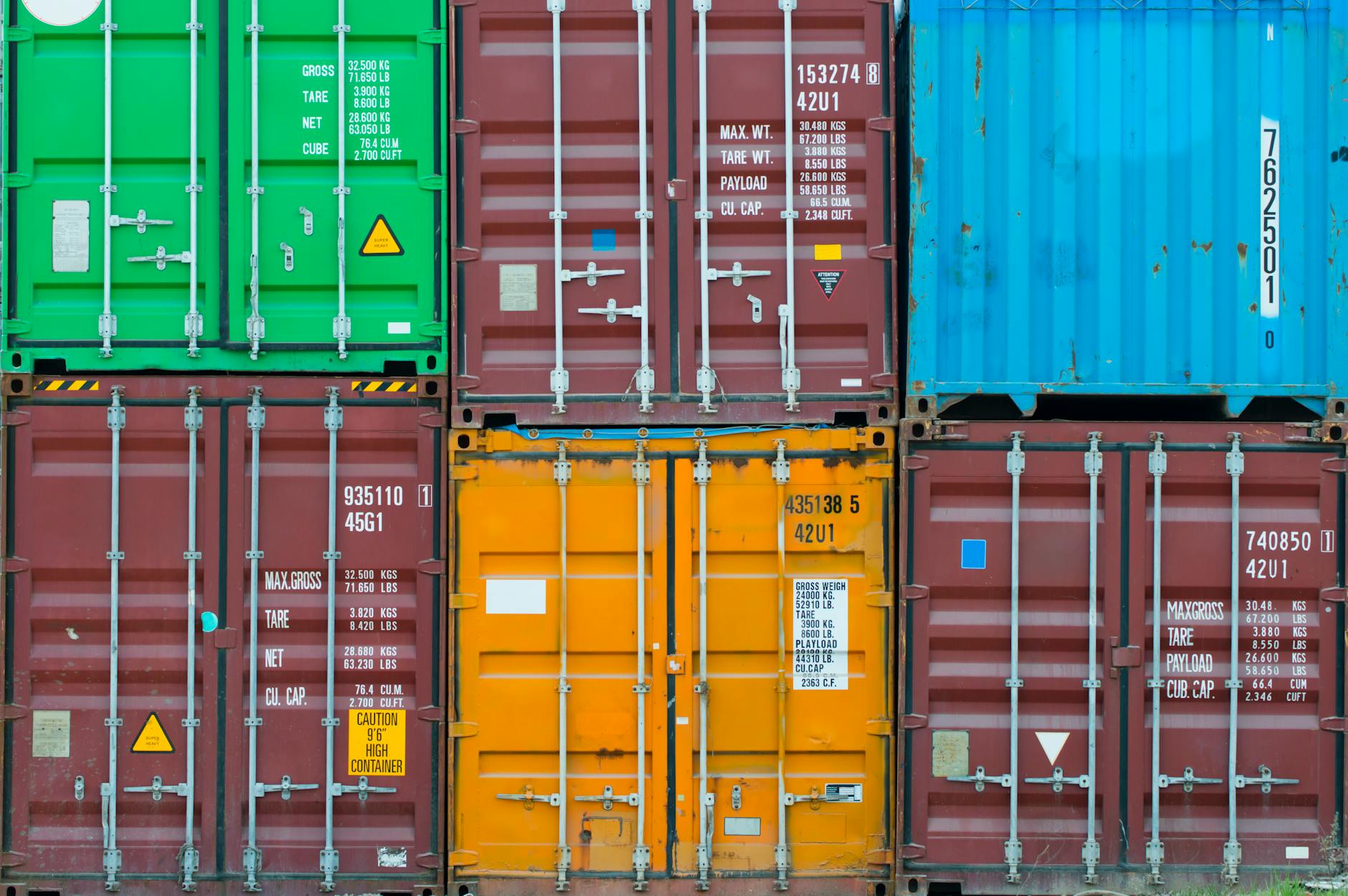
Port cities like Los Angeles, Long Beach, and Savannah experience particular bottlenecks. Container ships wait days or weeks for available trucks to transport goods inland, creating a domino effect that impacts global trade flows. The backup at ports contributed to extended delivery times for everything from electronics to clothing throughout 2023.
Energy sector transportation faces unique challenges. Oil and gas companies in Texas, North Dakota, and Pennsylvania compete for limited drivers qualified to handle hazardous materials, driving wages in specialized trucking segments even higher. This creates additional pressure on energy costs that affects the broader economy.
Corporate Response and Market Adaptation
Major corporations are implementing diverse strategies to address transportation challenges. Amazon has expanded its internal delivery network, reducing dependence on third-party trucking companies. The company now operates over 40,000 delivery vehicles and continues hiring drivers directly.
Technology companies are investing heavily in logistics solutions. UPS has deployed route optimization software that reduces delivery times by up to 15 percent, while FedEx focuses on hub efficiency improvements to maximize existing driver productivity.
Some manufacturers are reshoring production to reduce transportation distances. Companies that previously relied on overseas suppliers are establishing domestic facilities, particularly in automotive, electronics, and pharmaceutical sectors. This trend creates new employment opportunities in manufacturing regions while reducing strain on long-haul trucking networks.
Retail giants are experimenting with alternative delivery methods. Walmart and others test drone deliveries for small packages, while focusing truck capacity on larger shipments. These adaptations represent significant capital investments that ultimately influence pricing strategies.
The logistics industry itself is consolidating as smaller trucking companies struggle to compete for drivers against larger firms offering better benefits packages. Mid-size carriers report losing experienced drivers to companies that can afford higher signing bonuses and improved working conditions.
Long-term Economic Implications
The trucking shortage is accelerating automation discussions across the transportation sector. Multiple companies are testing autonomous trucking technology on specific routes, though full implementation remains years away due to regulatory and technical challenges.
Investment in driver training programs has increased dramatically. Community colleges report surging enrollment in commercial driver license programs, supported by federal and state funding initiatives. However, training new drivers takes months, and retention rates remain challenging due to working condition issues.
Infrastructure investments are gaining political support as policymakers recognize transportation bottlenecks as economic constraints. Proposed legislation includes funding for truck parking facilities, improved highway systems, and streamlined border crossing procedures to maximize existing driver productivity.
Labor market dynamics are shifting across multiple industries as companies compete for workers willing to work demanding schedules. The phenomenon parallels challenges seen in other sectors adapting to changing work patterns, though trucking’s mobility requirements limit flexible work arrangements.
Consumer behavior is adapting to longer delivery times and higher shipping costs. Online retailers report customers increasingly willing to wait for consolidated shipments or pick up orders at distribution centers to avoid premium shipping fees.
The economic impact extends beyond immediate transportation costs. Regional development patterns, business location decisions, and consumer purchasing behaviors are all adapting to transportation constraints that may persist for years. Companies that successfully navigate these challenges will gain competitive advantages, while those that don’t risk falling behind in an increasingly logistics-dependent economy.
As America’s trucking industry works to address its driver shortage, the broader economy continues adjusting to higher transportation costs and longer delivery times. The ultimate resolution will likely require a combination of improved working conditions, technological innovation, and infrastructure investment – changes that will reshape how goods move across the country for decades to come.
Frequently Asked Questions
How many truck drivers is America short?
The American Trucking Associations reports a shortage of over 80,000 drivers, with projections suggesting this could reach 160,000 by 2031.
How does the driver shortage affect consumer prices?
Freight rates have increased 25-40% on many routes, with these costs ultimately passed through to consumers via higher product prices.