


Amazon’s return-to-office mandate shocked employees when CEO Andy Jassy announced a five-day in-person requirement starting January 2025. But the ripple effects extend far beyond corporate cubicles, creating economic waves that are reshaping urban transit systems across America.
Major corporations including Goldman Sachs, JPMorgan Chase, and Tesla have implemented similar policies, forcing millions of workers back into daily commutes. This mass migration from home offices to corporate headquarters is generating billions in transit revenue while simultaneously straining infrastructure that adapted to pandemic-era ridership lows.
The numbers tell a compelling story. Public transit agencies that hemorrhaged riders during remote work’s peak are now scrambling to rebuild capacity, hire drivers, and upgrade aging systems to handle surging demand. Meanwhile, workers face mounting transportation costs that many hadn’t budgeted for during years of remote work.
Transit Systems Cash In on Corporate Mandates
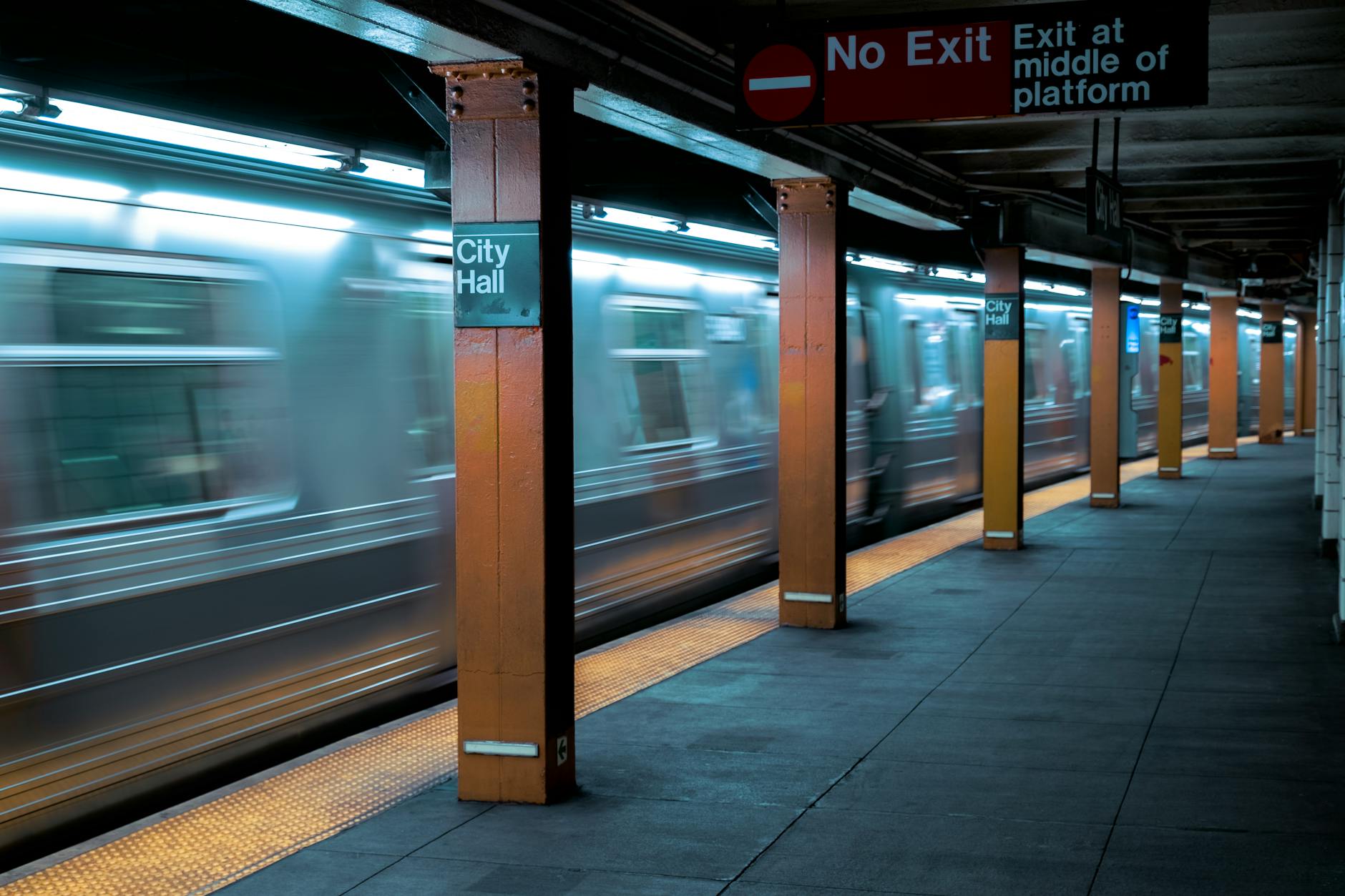
New York’s Metropolitan Transportation Authority reports ridership increases of nearly 15% since major return-to-office announcements began in late 2023. The financial impact is substantial – each returning commuter generates approximately $2,400 annually in transit revenue through monthly passes and daily fares.
San Francisco’s BART system, which saw ridership plummet to 20% of pre-pandemic levels, now operates at 65% capacity during peak hours. The agency projects an additional $180 million in annual revenue as tech giants like Salesforce and Meta enforce stricter office attendance policies.
Chicago’s CTA experienced similar gains, with monthly pass sales jumping 22% year-over-year. Transit officials credit corporate mandates from companies like Abbott Laboratories and Caterpillar for driving consistent ridership growth rather than sporadic leisure travel.
The economic boost extends beyond ticket sales. Transit advertising revenue, which collapsed during remote work’s heyday, rebounded as advertisers recognize captive commuter audiences. Digital billboard rates in subway stations increased 30% in major markets as brands compete for daily commuter eyeballs.
Infrastructure Strain and Investment Pressures
Success brings challenges. Transit agencies nationwide face pressure to expand capacity after years of pandemic-driven service cuts. The Washington Metro delayed train retirement schedules and accelerated hiring to accommodate growing ridership from government contractors and private firms implementing return-to-office policies.
Boston’s MBTA invested $45 million in additional train cars and extended operating hours to serve increased demand. The agency hired 200 new operators after laying off hundreds during the pandemic’s peak. Similar staffing challenges mirror broader workforce shortages, including childcare worker shortages that complicate parents’ return-to-office transitions.
Denver’s RTD expanded bus routes serving major corporate campuses as companies like Arrow Electronics and DaVita enforce office attendance requirements. The service expansion required $12 million in additional operational funding, highlighting the infrastructure investment needed to support corporate policy shifts.
Parking infrastructure faces opposite pressures. Downtown parking garages, many struggling during remote work years, now command premium rates. Monthly parking costs in Manhattan averaged $541 in 2024, up from $420 in 2022, as returning workers compete for limited spots near corporate headquarters.
Employee Financial Impact and Urban Spending Patterns
Workers bear significant costs from mandatory office returns. The average American commuter spends $5,100 annually on transportation, including gas, parking, and public transit fees. For remote workers forced back to offices, this represents a substantial budget adjustment after years of eliminated commuting expenses.
Transit pass costs vary dramatically by location. New York subway monthly passes cost $132, while San Francisco’s BART averages $150 monthly for typical commutes. Los Angeles workers face even steeper costs, with many spending over $200 monthly combining metro passes with parking fees.
The financial burden extends beyond transportation. Returning workers spend additional money on professional clothing, daily meals, and coffee purchases that disappeared during remote work. Economic analysis suggests each returning office worker generates approximately $3,200 annually in local urban spending beyond transit costs.
Restaurant and retail businesses near corporate centers report revenue increases directly correlated with return-to-office mandates. Food trucks around Amazon’s Seattle headquarters saw sales jump 40% after the company’s hybrid policy implementation. Coffee shops near Goldman Sachs offices experienced similar growth patterns.
Regional Variations and Economic Disparities
Return-to-office impacts vary significantly across metropolitan areas. Cities with robust public transit systems like New York and San Francisco benefit most from corporate mandates, generating substantial revenue increases and economic activity.
Conversely, car-dependent cities face different challenges. Atlanta workers returning to offices contribute less to public transit but drive increased gasoline consumption and parking demand. Highway congestion worsened measurably during peak commuting hours, imposing economic costs through lost productivity and increased vehicle maintenance.
Smaller cities with limited corporate presence see minimal impact from return-to-office trends. Their transit systems continue struggling with reduced ridership and funding gaps, creating economic disparities between major metropolitan areas and smaller urban centers.
The geographic concentration of corporate headquarters amplifies these effects. Seattle’s economy benefits disproportionately from Amazon’s mandate, while smaller Washington cities see negligible impact despite the company’s statewide employee base.
Long-term Economic Implications
Corporate return-to-office mandates represent a fundamental shift in urban economic patterns. Transit agencies are investing billions in capacity expansion based on sustained commuting demand, betting that hybrid and in-person work policies will persist.
However, economic uncertainties remain. If companies reverse course due to employee retention challenges or economic downturns, transit agencies could face stranded investments in expanded infrastructure. The cyclical nature of corporate policies creates planning difficulties for public transportation systems requiring long-term investment horizons.
The trend intersects with broader workforce challenges across industries, including healthcare worker shortages that affect urban economic stability. Cities must balance transit investment with other infrastructure needs while managing fiscal constraints.
Future economic impact depends largely on corporate policy consistency and employee adaptation. Early indicators suggest return-to-office mandates will persist as companies prioritize collaboration and culture over remote work flexibility. This persistence would cement transit revenue gains and urban economic benefits, fundamentally reshaping metropolitan economies for years ahead.
The transformation touches every aspect of urban life, from rush-hour traffic patterns to downtown lunch crowds, marking a decisive shift away from pandemic-era remote work experiments toward traditional office-centered economic models.
Frequently Asked Questions
How much do return-to-office mandates cost workers annually?
The average commuter spends $5,100 yearly on transportation, plus additional costs for professional clothing and daily expenses.
Which cities benefit most from corporate office mandates?
Cities with robust public transit like New York and San Francisco see the largest revenue increases and economic benefits.