



The Trillion-Dollar Time Bomb
Every morning, 200 million Americans rely on water pipes installed when Franklin Roosevelt was president. They drive over bridges built during the Eisenhower administration and use electrical grids designed before the internet existed. This isn’t just about inconvenience – America’s crumbling infrastructure is quietly draining the economy of hundreds of billions annually while threatening future growth.
The American Society of Civil Engineers gives U.S. infrastructure a D+ grade, estimating that $2.6 trillion in investment is needed by 2029 just to bring systems to acceptable standards. But the real story isn’t the price tag to fix everything – it’s the mounting economic losses from doing nothing.
The Daily Drain on Economic Productivity
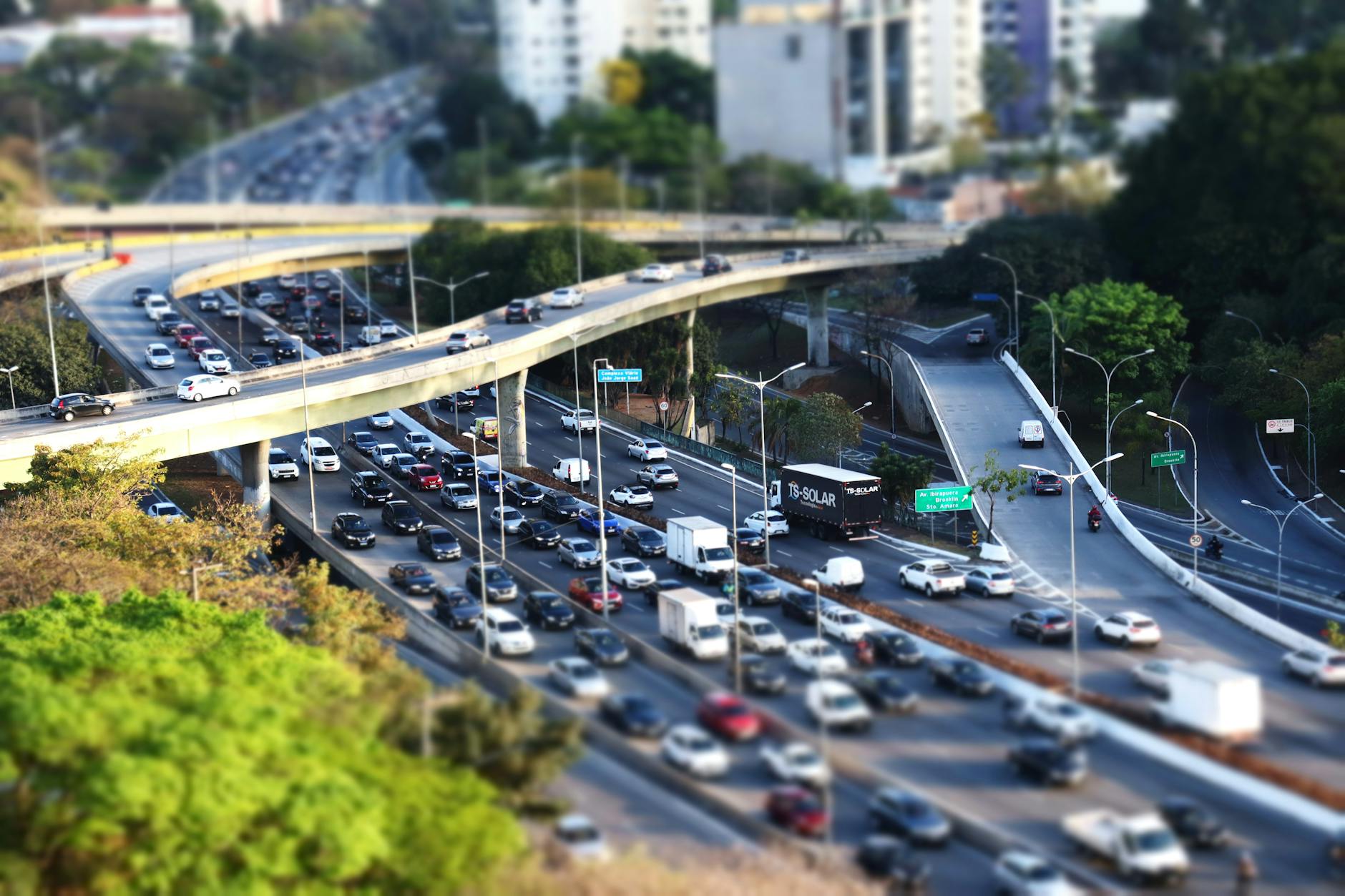
Traffic congestion alone costs the U.S. economy $87 billion annually in lost productivity, according to the Texas A&M Transportation Institute. The average American commuter wastes 54 hours per year sitting in traffic – time that could generate economic value instead of burning fuel in gridlock.
But transportation delays represent just one slice of the productivity pie. Freight movement, which accounts for roughly 8% of GDP, faces increasing bottlenecks at ports, rail yards, and highway chokepoints. The Port of Los Angeles, America’s busiest container port, has struggled with congestion that ripples through supply chains nationwide. When goods can’t move efficiently, businesses face higher costs that ultimately get passed to consumers.
Water infrastructure failures create their own economic headaches. The Environmental Protection Agency estimates that water main breaks occur every two minutes in America, wasting 6 billion gallons of treated water daily. Cities lose revenue, businesses face disruptions, and property damage mounts. In 2021, a burst water main in Memphis flooded downtown streets and forced businesses to close for days, highlighting how quickly infrastructure failures can paralyze local economies.
Power grid instability compounds these challenges. The American Power Outages study found that weather-related outages alone cost the economy $25-70 billion annually. Manufacturing plants can’t operate, data centers go offline, and retail businesses lose sales. Even brief outages can cost large industrial facilities hundreds of thousands of dollars in lost production and equipment damage.
The Innovation Tax
Outdated infrastructure doesn’t just slow down existing economic activity – it actively discourages innovation and investment. Companies increasingly factor infrastructure quality into location decisions, and America’s aging systems put many regions at a competitive disadvantage.
Broadband infrastructure exemplifies this challenge. While urban areas enjoy high-speed internet, rural communities often lack reliable connectivity that modern businesses require. The Federal Communications Commission estimates that 19 million Americans still lack access to fixed broadband, creating digital deserts that repel tech companies and startups.
Manufacturing companies scout locations based partly on transportation links, utility reliability, and workforce mobility. When infrastructure fails these tests, businesses look elsewhere. Foreign direct investment increasingly flows to countries with modern, efficient infrastructure systems, while American communities watch potential employers pass them by.
The energy transition presents both challenges and opportunities. America’s electrical grid, much of it built in the 1960s and 1970s, struggles to integrate renewable energy sources and support electric vehicle adoption. Upgrading transmission lines and distribution systems requires massive investment, but delays make clean energy goals harder to achieve and slow the growth of emerging green industries.
Climate change accelerates infrastructure decay while demanding greater resilience. Roads crack more frequently in extreme heat, flooding overwhelms storm water systems, and power grids strain under peak demand. The National Climate Assessment warns that infrastructure damage from extreme weather could cost $1 trillion annually by 2090 without significant adaptation investments.
Regional Winners and Losers
Infrastructure quality increasingly determines regional economic competitiveness. States and metro areas with modern, well-maintained systems attract businesses and workers, while those with aging infrastructure face economic decline.
Texas has invested heavily in highway expansion and port modernization, helping attract corporate relocations and maintain strong population growth. The state’s investment in transportation infrastructure supported economic development even as other regions struggled with capacity constraints.
Conversely, regions with deteriorating infrastructure find themselves caught in negative feedback loops. Poor roads and utilities discourage business investment, reducing tax revenue needed for infrastructure improvements. Talented workers migrate to areas with better amenities and shorter commutes, weakening the local economy further.

The Northeast Corridor, despite its economic importance, faces particular challenges. Amtrak’s aging rail infrastructure between Boston and Washington D.C. operates well below capacity due to maintenance needs and obsolete systems. High-speed rail projects that could boost regional connectivity remain stalled while other countries advance bullet train networks.
Water systems present stark regional disparities. Cities like Atlanta and Phoenix have invested in modern treatment plants and distribution networks, while older industrial cities struggle with lead pipes and frequent main breaks. These differences affect everything from public health to property values and business attraction.
The Path Forward
The Infrastructure Investment and Jobs Act, passed in 2021, provides $1.2 trillion over five years for roads, bridges, broadband, and water systems. While substantial, this funding addresses only a fraction of identified needs. States and localities must prioritize projects carefully and leverage private investment where possible.
Public-private partnerships offer one promising approach. Private companies can provide upfront capital and operational expertise while governments maintain oversight and ownership. Several states have successfully used this model for highway improvements and airport upgrades.
Technology can multiply infrastructure investment impact. Smart traffic systems reduce congestion without building new roads. Advanced water meters detect leaks quickly, preventing waste and damage. Grid modernization enables more efficient energy distribution and supports renewable integration.
The economic benefits of infrastructure investment extend beyond direct construction spending. Modern systems boost productivity, attract businesses, and improve quality of life in ways that generate returns for decades. Countries like South Korea and Singapore have demonstrated how strategic infrastructure investment can accelerate economic development.
America’s infrastructure crisis represents both challenge and opportunity. The economic costs of inaction continue mounting, but targeted investments can restore competitiveness and support future growth. The question isn’t whether America can afford to rebuild its infrastructure – it’s whether the country can afford not to.
Frequently Asked Questions
How much does poor infrastructure cost the U.S. economy annually?
Traffic congestion alone costs $87 billion yearly, while weather-related power outages cost $25-70 billion in lost productivity.
What grade does American infrastructure receive from engineers?
The American Society of Civil Engineers gives U.S. infrastructure a D+ grade, requiring $2.6 trillion in investment by 2029.