



A Federal Admission With Broad Financial Consequences
The Trump administration has confirmed in court filings that it canceled $7.6 billion in federal clean energy grants specifically because of how the recipient states voted in the 2024 presidential election. The terminations affected hundreds of clean energy projects across 16 states that supported Democrat Kamala Harris – a distribution of funding that the administration explicitly tied to political identity rather than project merit, compliance failures, or budget constraints.
The acknowledgment is notable not because it was leaked or uncovered, but because the administration wrote it into its own legal documents. Federal agencies do not typically volunteer that funding decisions were made on political grounds. This one did.
What Was Cut and Where
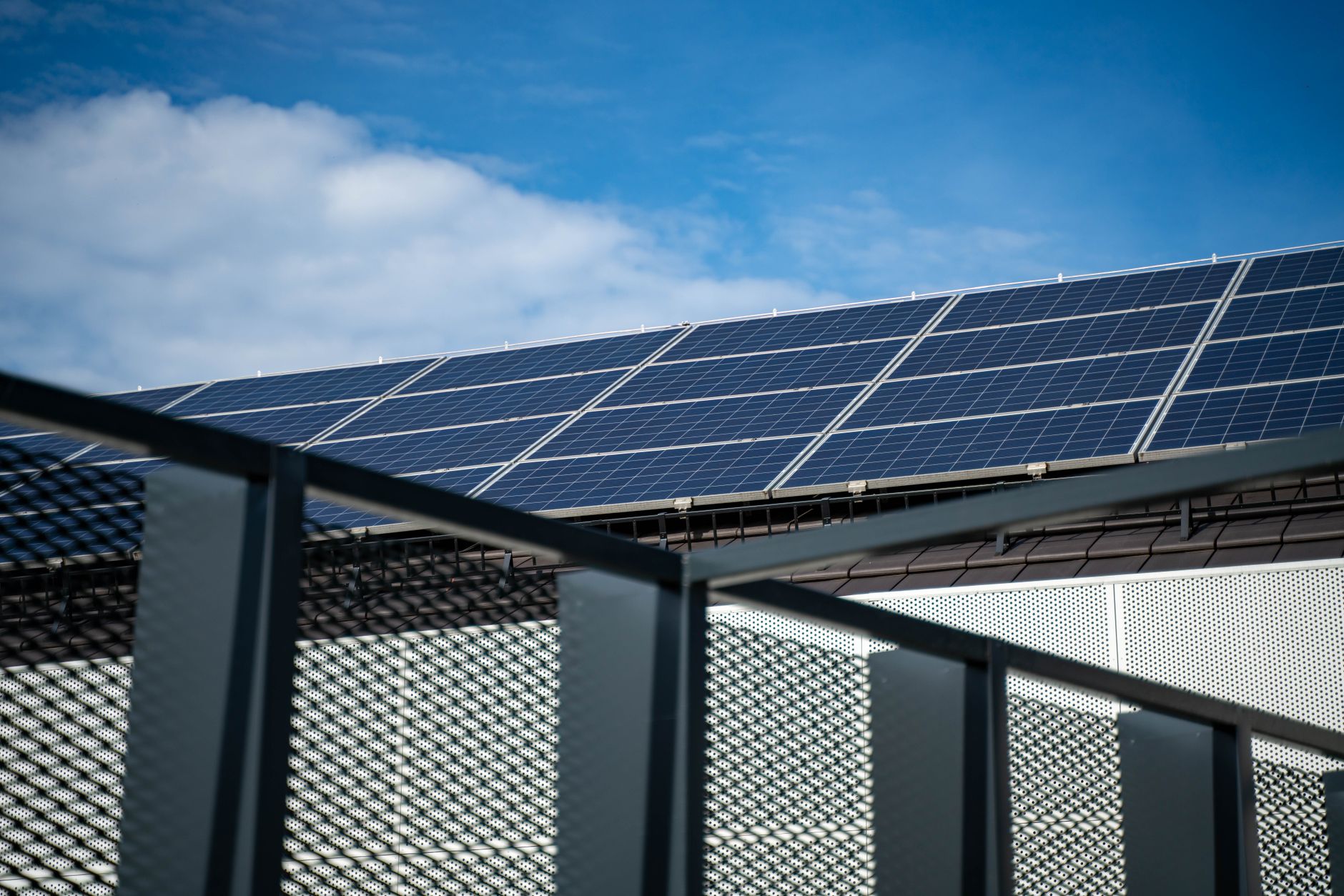
The $7.6 billion represented grants earmarked for hundreds of individual clean energy initiatives spread across the 16 Harris-voting states. The scope of the cancellations touches solar installations, energy efficiency programs, grid modernization projects, and other work that had already been awarded federal dollars under prior authorization. For the businesses, contractors, and municipalities that had built timelines and budgets around those commitments, the terminations amounted to an abrupt withdrawal of funding that had been legally obligated.
The affected states had not violated grant terms. No performance failures were cited. The court documents indicate the sole determining factor was the political identity of the state – meaning which presidential candidate carried that state in November 2024. This is the second time the Trump administration has acknowledged this standard in court, suggesting it is not an isolated clerical description but a defended policy position.
The dollar figure also places this in context: $7.6 billion is not a rounding error in the federal budget, but it is large enough to represent a material withdrawal from clean energy infrastructure investment across a significant portion of the country. States that had been planning multi-year deployment schedules around these awards now face funding gaps with no guaranteed replacement.
The Legal Exposure
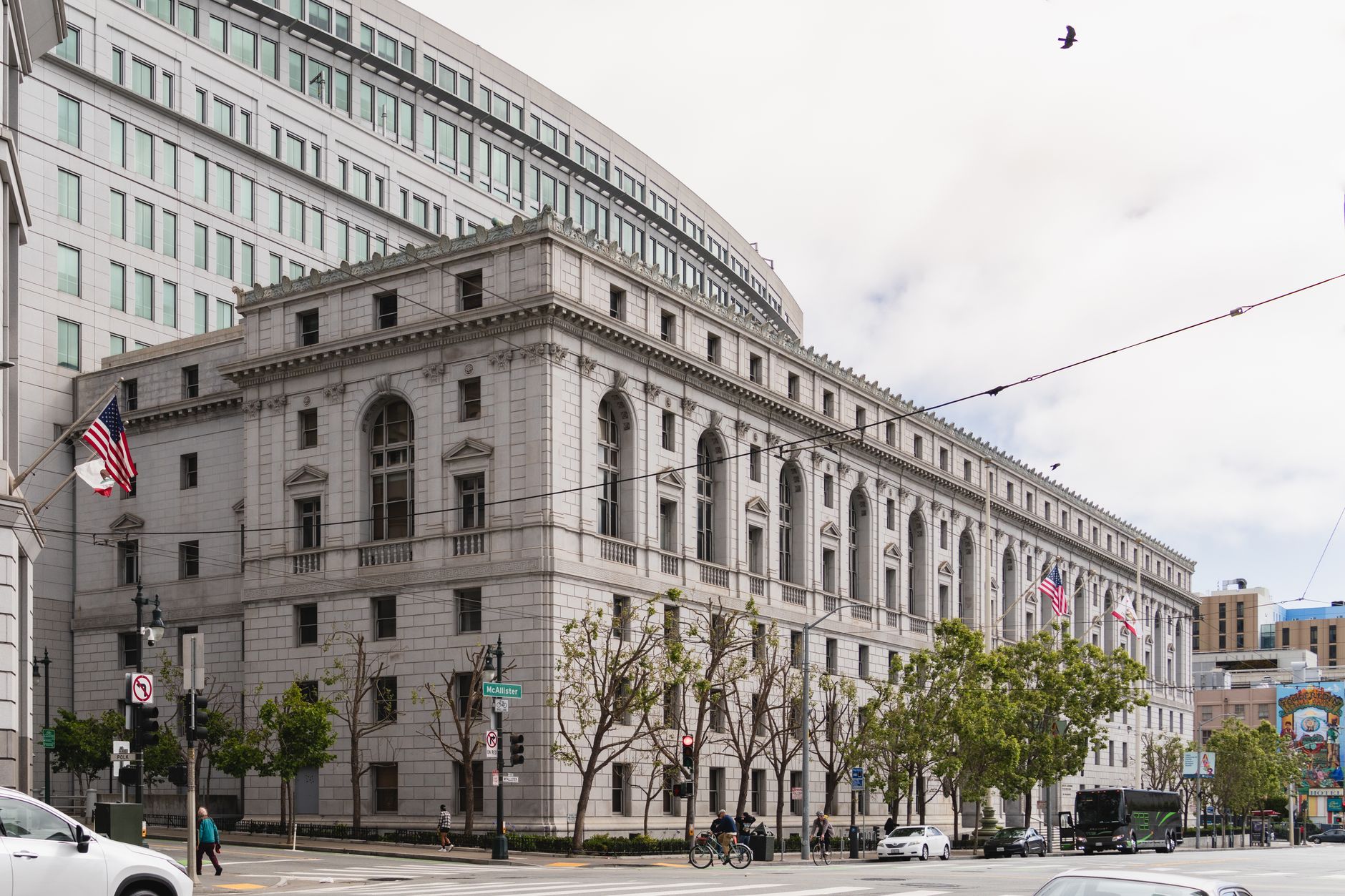
Acknowledging in court documents that grants were terminated based on the political identity of recipient states creates a specific kind of legal vulnerability. Federal funding law generally prohibits the executive branch from conditioning or withdrawing congressionally appropriated funds on criteria that are explicitly political. The administration’s own language – “based solely on the political identity of the grant recipient’s state” – is the kind of phrase opposing counsel does not need to construct from inference. It was provided directly.
Whether that admission proves decisive in litigation depends on how courts interpret executive authority over grant terminations and what standards apply to funds that Congress had already directed. But the language makes the legal argument for the states considerably more straightforward than it would be if the administration had cited programmatic or fiscal rationale.
Clean Energy Investment and the States Left Holding the Gap
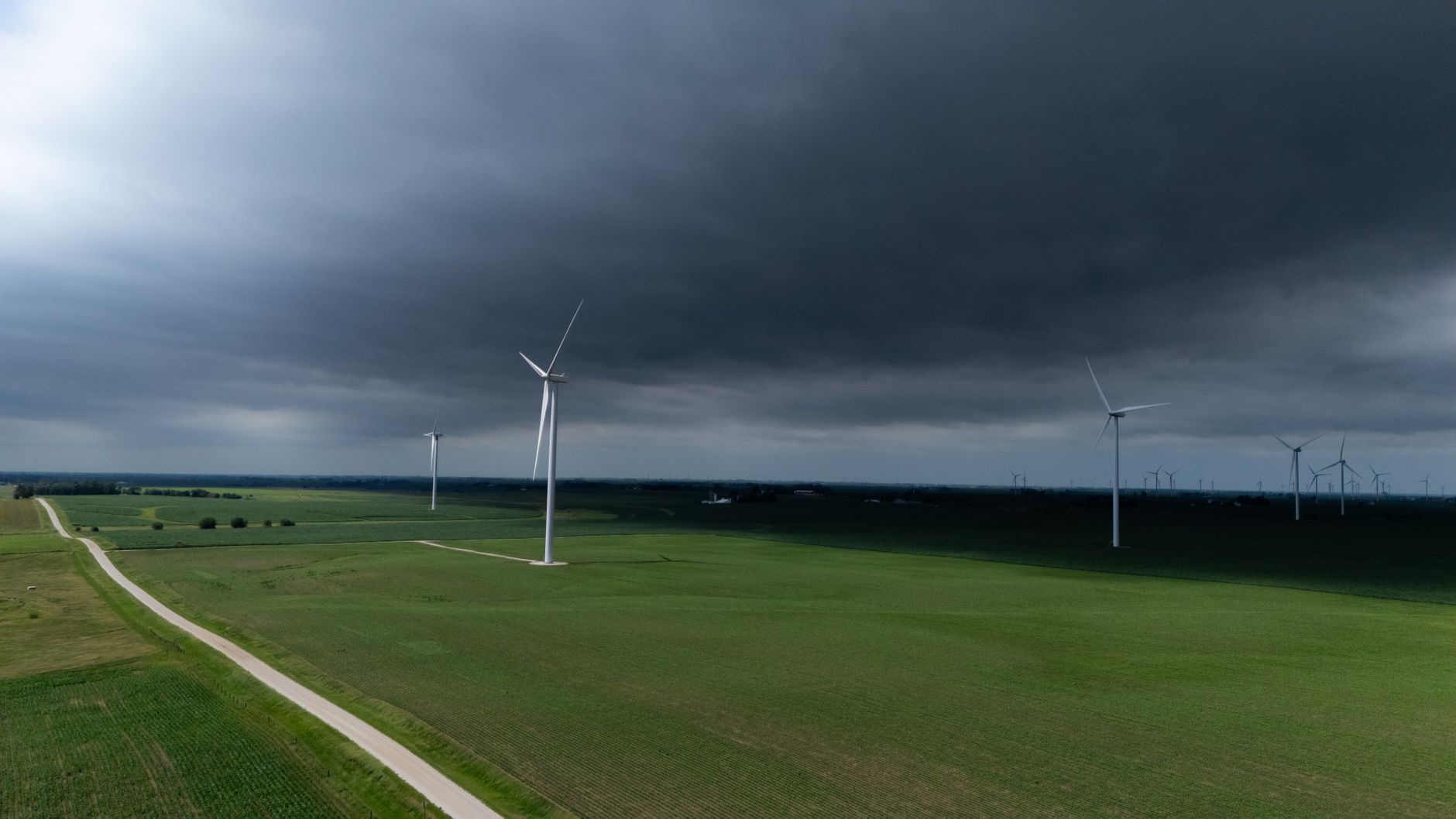
For the 16 affected states, the practical problem is not abstract. Clean energy project developers often secure private financing, hire contractors, and begin permitting processes based on the expectation that federal awards are stable. When awards are canceled mid-process, those downstream commitments do not automatically unwind. Contractors have already been engaged. Permits have been filed. In some cases, construction has begun.
Energy Secretary Chris Wright leads the department overseeing several of these grants. The Department of Energy, along with other federal agencies involved in clean energy funding, has not detailed what alternative pathways – if any – exist for projects that were canceled under this rationale. States have not been offered reapplication procedures tied to neutral criteria.
The broader effect on the clean energy sector is a sharpening of uncertainty that investors and developers had already been navigating since the administration changed in January. Private capital deployment into clean energy projects depends in part on the stability of federal incentives and awards. When the federal government demonstrates that awards can be revoked based on election results rather than project performance, the risk calculus for private investors shifts. That shift does not require a policy announcement – it is priced in as the news circulates.
Some of the affected projects were also tied to job creation commitments that were included in the original grant applications. Manufacturing facilities, installation crews, and local supply chain work that had been attached to those projections now face the same uncertainty as the projects themselves. The communities that were promised economic activity from these awards are not the ones who cast the votes the administration cited – they are simply the ones who live in states that did.
What Comes Next
Litigation from the affected states is the most immediate mechanism pushing back against the cancellations. The administration’s court admissions give those cases a factual foundation that would otherwise take months to establish through discovery. Courts will now have to determine whether the political-identity standard the administration described is a permissible exercise of executive authority or a violation of the conditions under which Congress appropriated those funds.
A ruling that the cancellations were unlawful would not automatically restore all $7.6 billion – enforcement of such a ruling would involve its own procedural steps, and some project timelines may already have collapsed beyond recovery. A ruling in the administration’s favor would establish that presidential administrations can redirect congressionally approved grant dollars based on electoral maps, a precedent with implications well beyond clean energy funding.
What the court record now contains is an administration saying plainly, in writing, that $7.6 billion in federal clean energy funding was canceled because of how states voted. Whether that sentence ultimately costs the administration the litigation or defines a new boundary for executive discretion is the question sitting in front of federal judges right now.