



Madison, Wisconsin was hemorrhaging young professionals before 2020. Then the pandemic forced tech companies to embrace remote work, and suddenly this college town became a magnet for high-earning employees who could work from anywhere. Real estate prices doubled. Coffee shops filled with laptop-wielding transplants. Local restaurants hired additional staff.
Madison’s transformation reflects a broader economic shift reshaping America’s geographic landscape. Corporate remote work policies, initially implemented as emergency measures, have evolved into permanent fixtures that are redistributing talent and economic activity away from expensive coastal hubs toward smaller, more affordable communities.
The numbers tell the story. According to the U.S. Census Bureau, between 2020 and 2023, over 400 counties with populations under 100,000 experienced net in-migration for the first time in decades. Many of these counties had been losing residents for years as young people left for big cities. Now those same demographics are returning, armed with urban salaries and rural cost structures.
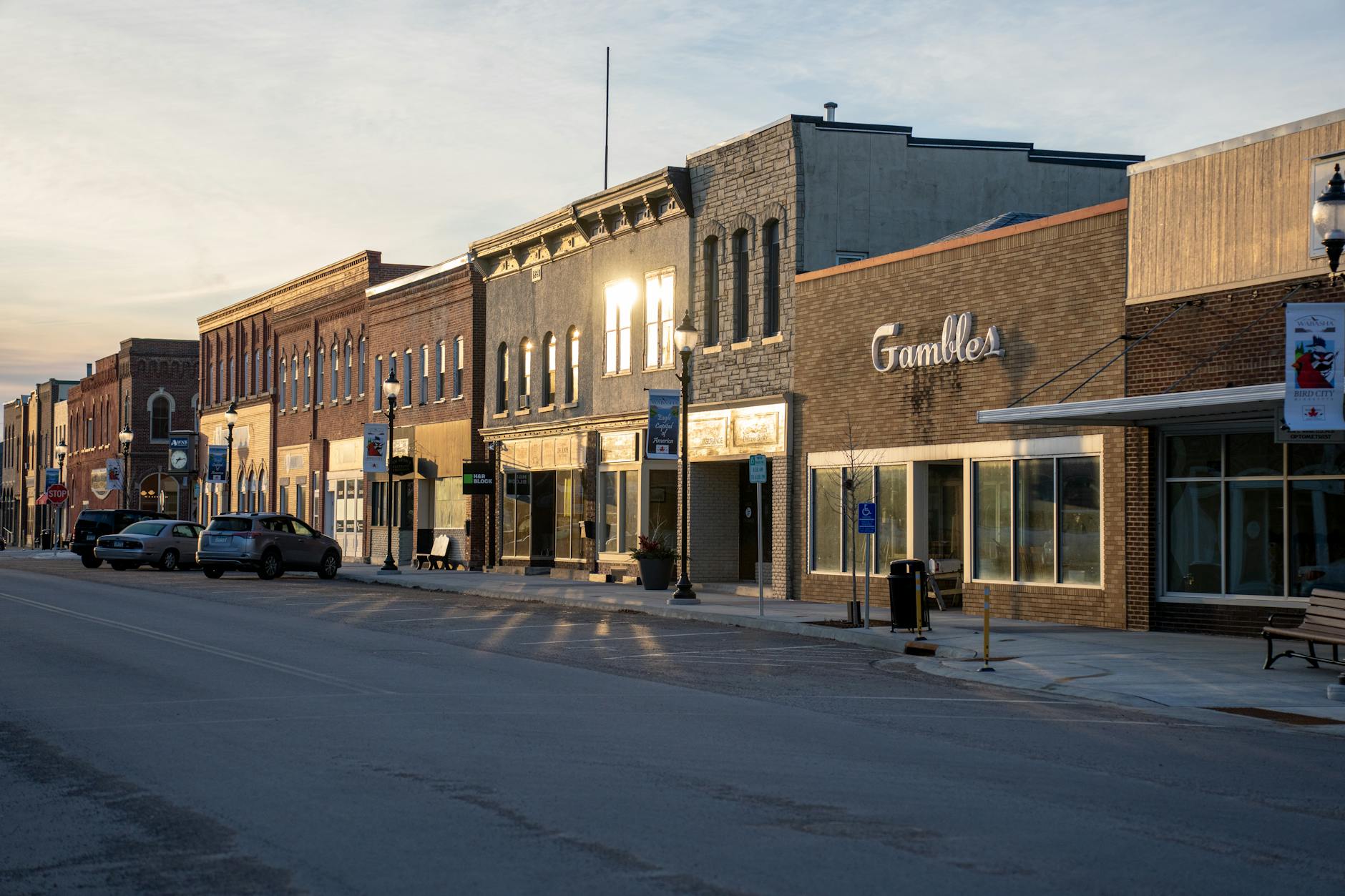
The Great Reshuffling Takes Hold
Remote work policies have created what economists call “geographic arbitrage” – the ability to earn metropolitan wages while living in areas with significantly lower costs. This phenomenon has particularly benefited small towns within driving distance of major airports or with robust internet infrastructure.
Bozeman, Montana exemplifies this trend. Once primarily known for its proximity to Yellowstone National Park, the city has attracted thousands of remote workers from Seattle, San Francisco, and Denver. Local economic development officials report that new resident registrations have increased by 40% since 2020, with many newcomers working for major tech companies while living in a town of just 50,000.
The ripple effects extend beyond population growth. Small businesses that struggled during the pandemic now face labor shortages as demand surges. Construction companies in formerly sleepy towns report backlogs extending into 2025. Local service providers, from accountants to veterinarians, are expanding their practices to serve growing populations.
These changes aren’t uniform across all small towns. Communities with reliable broadband, cultural amenities, and outdoor recreation opportunities have seen the most dramatic growth. Towns lacking these assets continue to struggle, highlighting the digital divide’s role in economic development.
Corporate Policies Drive Local Investment
Major corporations have formalized remote work arrangements that directly impact small town economies. Companies like Airbnb, Twitter, and Spotify now offer “work from anywhere” policies, while others provide relocation stipends for employees moving to lower-cost areas.
These policies have prompted unprecedented infrastructure investment in previously overlooked markets. Internet service providers are racing to upgrade broadband networks in small towns, recognizing the revenue potential from remote workers who need enterprise-grade connectivity. Co-working spaces are opening in former retail locations, providing professional environments for workers who moved from cramped urban apartments to spacious rural homes.

Local governments are adapting zoning laws and building codes to accommodate this influx. Many small towns are fast-tracking permits for home office conversions and accessory dwelling units. Some municipalities offer tax incentives specifically targeting remote workers, competing directly with traditional business recruitment strategies.
The hospitality sector has transformed alongside these changes. Extended-stay hotels report occupancy rates above pre-pandemic levels as workers split time between home offices and occasional company visits. Restaurants have adjusted operating hours and menus to serve the breakfast and lunch crowd of remote workers who previously commuted to downtown offices.
Challenges Emerge Alongside Opportunities
Rapid growth has created tensions in many small communities. Housing costs have risen dramatically as remote workers with urban salaries compete with local residents for limited inventory. In some popular destinations, median home prices have increased by more than 50% since 2020, pricing out teachers, service workers, and other local employees.
Infrastructure strain is becoming apparent in communities unprepared for sudden population growth. Water systems designed for smaller populations face capacity issues. Roads and bridges require upgrades to handle increased traffic. Schools are adding portable classrooms to accommodate children of relocated families.
Cultural friction occasionally surfaces between longtime residents and newcomers. Long-established businesses sometimes struggle to adapt to new customer expectations, while newcomers may push for changes that don’t align with local traditions. These tensions typically resolve over time, but they represent real growing pains for rapidly changing communities.
Healthcare systems in rural areas face particular pressure. Remote workers often expect urban-level medical services, but small town hospitals and clinics may lack specialized facilities or specialists. Some communities are recruiting additional healthcare providers specifically to serve their growing populations.
The Future of Distributed Economic Growth
Corporate remote work policies appear to be permanent features of the employment landscape rather than temporary pandemic responses. Major companies continue refining their distributed work strategies, with many planning to reduce office footprints permanently while maintaining or expanding remote work options.
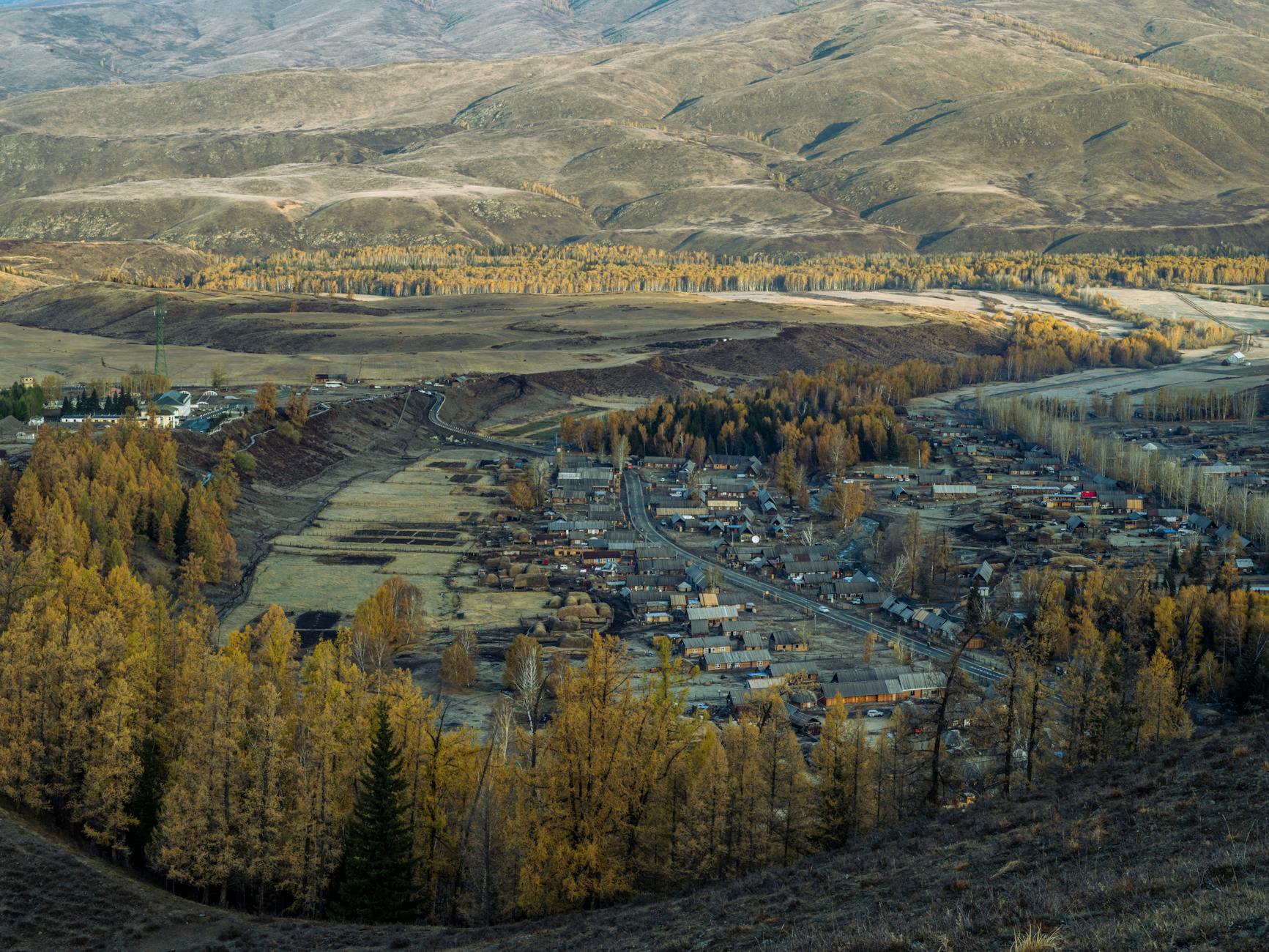
This shift suggests that small town economic growth driven by remote work will likely accelerate rather than reverse. Federal infrastructure investments in broadband expansion will make even more rural communities viable options for remote workers. As urban housing costs continue climbing and quality of life concerns mount in major metropolitan areas, the appeal of small town living combined with big city careers will likely strengthen.
Economic development experts predict a new model of American growth emerging over the next decade – one less concentrated in a few major metropolitan areas and more distributed across communities that can provide the infrastructure and amenities remote workers demand. For small towns positioning themselves strategically, the next few years could mark the beginning of their most significant economic expansion in generations.
Frequently Asked Questions
Which small towns are seeing the most remote worker growth?
Towns near airports with good broadband, outdoor recreation, and cultural amenities like Bozeman, Montana and Madison, Wisconsin are seeing the largest influxes.
How are remote work policies affecting local housing markets?
Many small towns have seen median home prices increase 50% or more since 2020 as remote workers compete with locals for limited housing inventory.