



Walk into any shopping mall or downtown district today, and you’ll notice something striking: the lines at Chipotle, Panera, and Sweetgreen stretch far longer than those at McDonald’s or Burger King. This shift represents more than changing consumer tastes – it signals a fundamental disruption in the restaurant industry where fast casual chains are not just competing with traditional fast food giants, but decisively outperforming them in key financial metrics.
Recent quarterly earnings reports paint a clear picture. While legacy fast food chains struggle with flat or declining same-store sales, fast casual restaurants continue posting impressive growth numbers. Chipotle reported same-store sales growth exceeding 5% in their latest quarter, while McDonald’s has faced pressure to maintain positive comparable sales. Panera Bread’s parent company has seen consistent revenue increases, even as traditional chains grapple with market saturation and evolving consumer preferences.
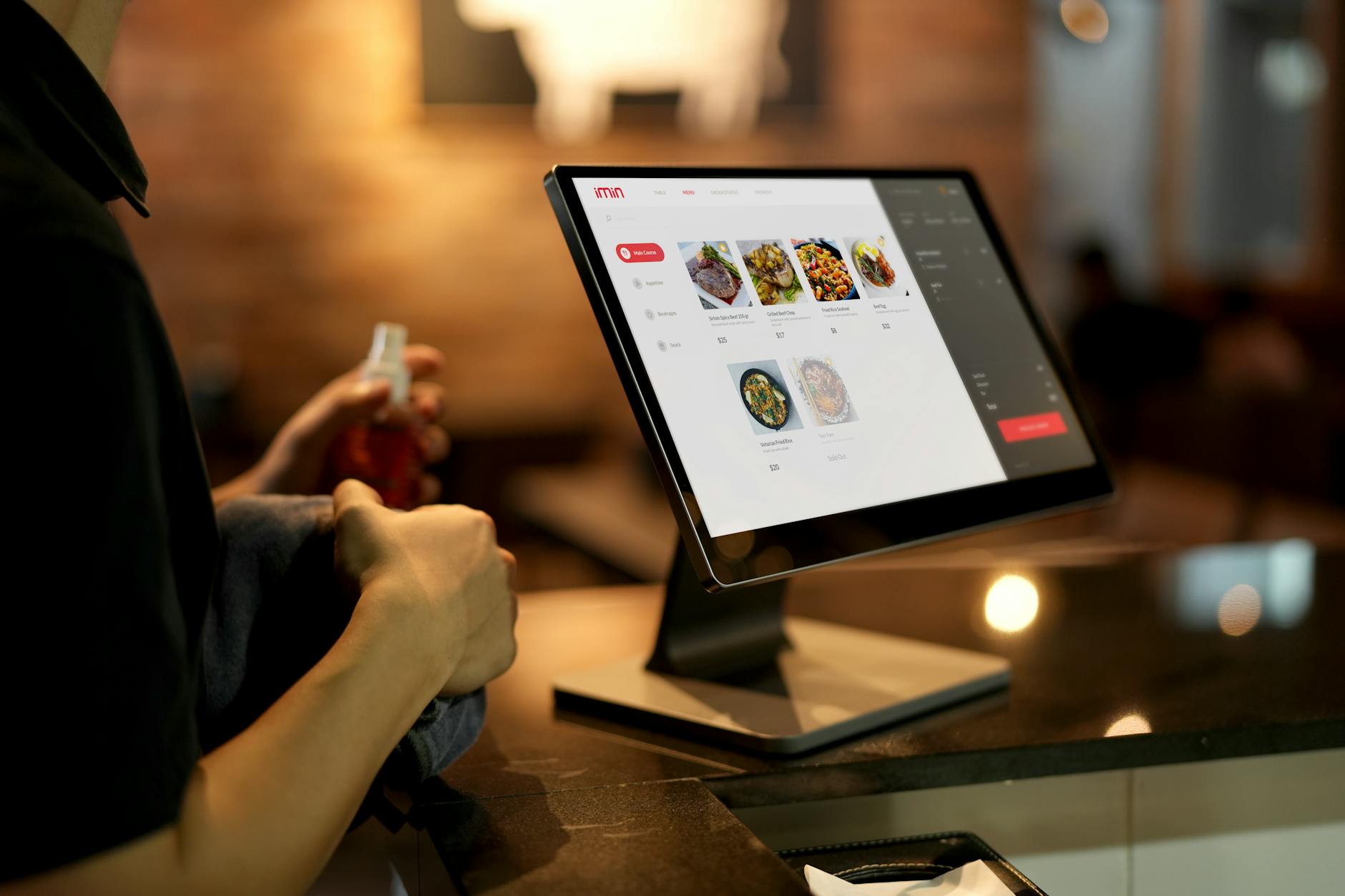
The Premium Price Advantage
Fast casual restaurants have cracked a code that traditional fast food chains are still trying to decipher: consumers willingly pay more for perceived quality and customization. Where a McDonald’s burger might cost $4-6, a Chipotle bowl commands $10-12, yet customers continue flocking to the higher-priced option. This pricing power translates directly to stronger profit margins and revenue per customer.
The average transaction at fast casual restaurants runs 40-60% higher than traditional fast food, according to industry analysts. This premium pricing stems from several factors: fresher ingredients, customizable options, and brand positioning that emphasizes health and quality over speed and convenience. Shake Shack, for instance, has built an entire business model around premium burgers that cost nearly double their McDonald’s equivalents, yet the chain continues expanding rapidly.
Traditional chains have struggled to justify price increases without alienating their core customer base. When McDonald’s attempts to raise prices, customers often migrate to competitors or reduce visit frequency. Fast casual brands face less price sensitivity because they’ve positioned themselves as offering superior value, not just lower prices.
Adapting to Digital-First Consumer Behavior
Fast casual restaurants entered the market during the smartphone era, giving them a native advantage in digital ordering and customer engagement. Brands like Sweetgreen and Cava built their operations around mobile apps and online ordering from day one, while traditional chains have spent years retrofitting decades-old systems to accommodate digital demands.
Digital sales now represent 30-40% of total revenue for leading fast casual chains, compared to 20-25% for traditional fast food. This digital-first approach enables better customer data collection, personalized marketing, and operational efficiency. Fast casual brands can track individual customer preferences, send targeted promotions, and optimize kitchen workflows based on advance orders.

The pandemic accelerated this digital advantage dramatically. While traditional chains scrambled to implement contactless ordering and delivery systems, fast casual restaurants simply scaled existing capabilities. Many saw digital sales jump 200-300% during 2020-2021, and those gains have largely stuck even as dining rooms reopened.
Similar to how streaming platforms adapted faster to changing viewer habits, fast casual brands leveraged technology to meet evolving consumer expectations more effectively than their traditional counterparts.
Labor Costs and Operational Efficiency
Counterintuitively, many fast casual restaurants operate with better labor economics than traditional fast food chains despite paying higher wages. The assembly-line model used by Chipotle, Qdoba, and similar brands requires fewer specialized cooking skills while maintaining food quality consistency. Employees can be trained quickly on specific stations, reducing both training costs and turnover rates.
Traditional fast food operations often require more complex kitchen equipment and cooking procedures. A McDonald’s kitchen involves multiple specialized stations: grill, fryer, beverage machines, and assembly areas, each requiring different skill sets. Fast casual kitchens typically feature simpler preparation methods – grilling proteins, chopping fresh vegetables, and assembling orders to customer specifications.
This operational simplicity translates to lower training costs and reduced staff turnover. Industry data shows fast casual chains average 10-20% lower employee turnover than traditional fast food, saving significant recruitment and training expenses. Higher wages become cost-neutral when factoring in reduced turnover and increased productivity.
Real Estate and Expansion Strategies
Fast casual brands have also demonstrated superior real estate strategies, often securing prime locations that traditional chains overlooked or couldn’t justify economically. Higher average transaction values enable fast casual restaurants to afford premium mall locations, downtown storefronts, and university campuses where rent premiums would crush traditional fast food margins.
Panera Bread pioneered the strategy of targeting affluent suburban markets and urban professionals willing to pay premium prices for better ingredients and atmosphere. This approach created a virtuous cycle: higher-income customers generate larger average tickets, justifying premium locations that attract more high-value customers.
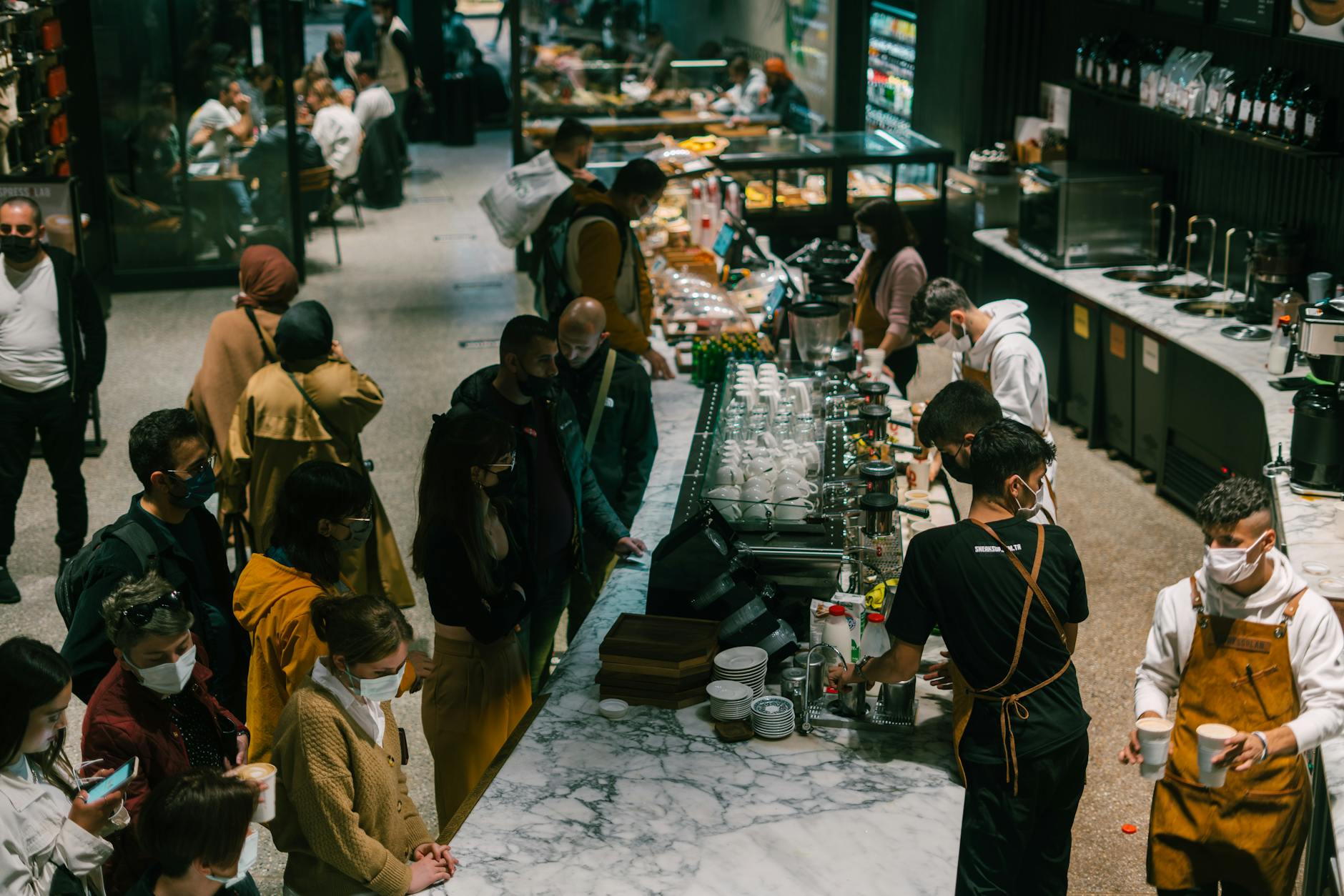
Traditional chains built their empires on high-volume, low-margin locations designed to serve the broadest possible customer base. While this strategy worked for decades, it becomes less effective as consumer preferences shift toward quality over convenience and price. Fast casual brands can be more selective about locations, focusing on markets that align with their target demographics.
Looking Ahead
The financial outperformance of fast casual over traditional fast food reflects deeper changes in American dining habits and economic conditions. Younger consumers prioritize customization, sustainability, and perceived health benefits – all areas where fast casual brands excel. Rising disposable income in key demographic segments supports premium pricing that seemed impossible just a decade ago.
Traditional chains aren’t standing still, however. McDonald’s continues evolving its menu and store formats, while Taco Bell experiments with premium ingredients and higher-end locations. The question isn’t whether traditional fast food will disappear, but whether these legacy brands can adapt quickly enough to compete with nimble, digitally-native fast casual competitors that seem to anticipate consumer trends rather than react to them.
As earnings reports continue demonstrating the financial advantages of the fast casual model, expect more investment capital to flow toward emerging brands in this space while traditional chains face increasing pressure to reinvent themselves for a market that has clearly moved beyond their original value propositions.
Frequently Asked Questions
Why do fast casual restaurants charge more than traditional fast food?
Fast casual chains can command premium prices through fresher ingredients, customization options, and positioning that emphasizes quality over speed.
How do fast casual restaurants achieve better profit margins?
Higher average transaction values, lower employee turnover, and digital-first operations create operational efficiencies that offset higher ingredient and labor costs.