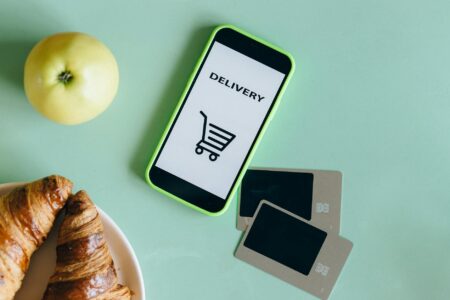



Your grocery receipt tells a story worth millions. Every scan of your loyalty card, every tap of your credit card, every online order creates digital breadcrumbs that major grocery chains now harvest and sell for profits that often exceed their traditional food retail margins. What started as simple customer rewards programs has evolved into sophisticated data mining operations that generate billions in revenue.
Kroger, America’s largest grocery chain, reported over $1.5 billion in alternative profit streams in 2023, with data and advertising services comprising the fastest-growing segment. Target’s advertising business, largely built on customer purchase data, generated $1.3 billion in revenue. These figures represent a seismic shift in how grocery retailers view their core business model.
The transformation reflects a broader trend across retail, where customer data has become more valuable than the products on shelves. Grocery stores occupy a unique position in this ecosystem because they capture the most intimate details of consumer behavior – what families eat, when they shop, how much they spend, and which brands they prefer.
The Hidden Value of Your Shopping Habits
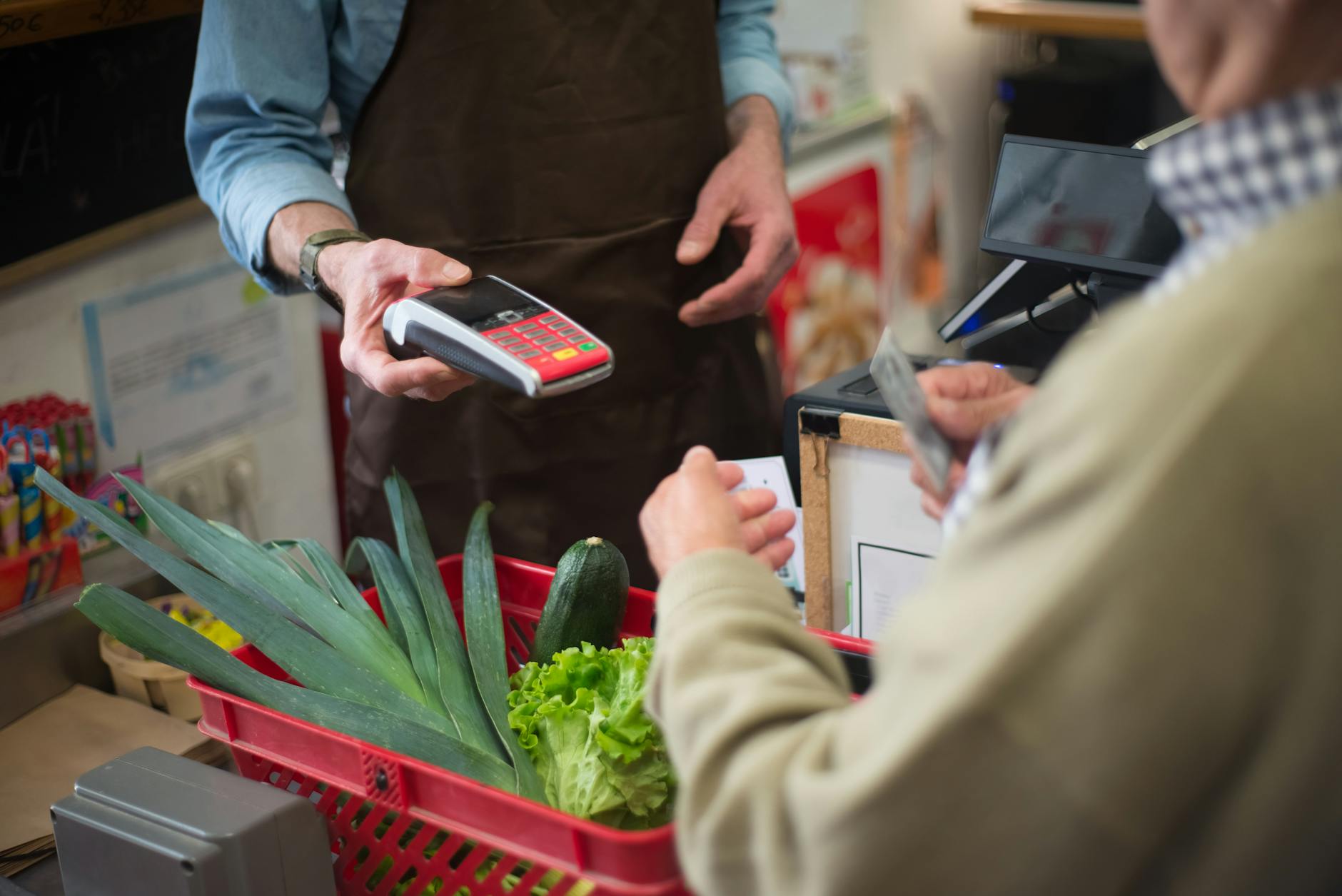
Every grocery transaction generates dozens of data points that companies package and sell to manufacturers, marketers, and researchers. When you buy organic milk on Tuesday mornings or reach for name-brand cereal instead of store brands, that information becomes part of detailed consumer profiles worth hundreds of dollars annually.
Walmart’s advertising platform, Walmart Connect, leverages shopping data from over 230 million weekly customers to help brands target specific demographics. The company doesn’t just know you bought diapers – it knows you switched from Size 1 to Size 2 last month, suggesting targeted advertising opportunities for baby food companies, toy manufacturers, and family vacation services.
Grocery loyalty programs, once simple discount mechanisms, now function as data collection engines. CVS Health’s ExtraCare program tracks purchases across 9,900 locations, creating behavioral profiles that pharmaceutical companies and health brands pay premium rates to access. The company’s HealthHub locations combine purchase data with basic health screenings, creating even more valuable datasets.
Amazon Fresh and Whole Foods integration exemplifies this data monetization strategy. Amazon’s grocery operations feed directly into its advertising ecosystem, where food manufacturers compete for prominent placement in search results and targeted product recommendations. The e-commerce giant’s grocery data helps predict everything from seasonal demand fluctuations to emerging health trends.
From Checkout Data to Marketing Gold
Sophisticated analytics platforms transform raw transaction data into actionable market intelligence. Companies like Catalina Marketing and Epsilon specialize in processing grocery store data to identify consumer segments, predict purchasing behavior, and measure advertising effectiveness across different demographics.
Major grocery chains partner with data analytics firms to create detailed market research products. IRI and Nielsen, two dominant players in retail analytics, work directly with grocery retailers to package shopping data into reports that consumer goods companies purchase for millions of dollars annually.
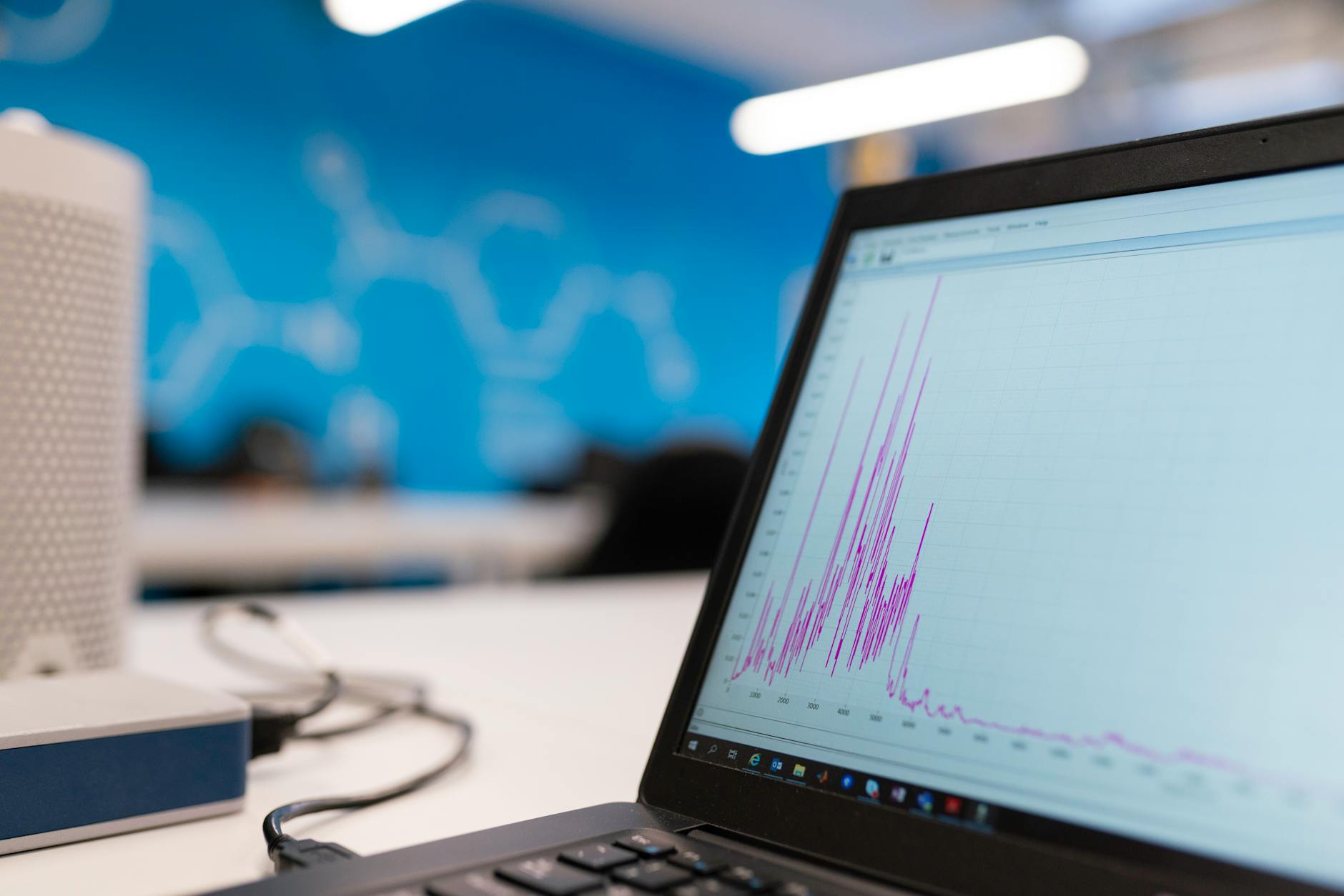
The granular detail available through modern point-of-sale systems creates unprecedented marketing opportunities. Brands can identify households that switched from their products to competitors, target customers who buy premium versions of certain categories, or reach consumers who show early adoption patterns for new product launches.
Kroger’s 84.51° subsidiary, named after the longitude of the company’s Cincinnati headquarters, exemplifies this evolution. The data science division processes information from 62 million households, offering services that range from customer segmentation to supply chain optimization. Major brands like Procter & Gamble and Unilever reportedly spend millions annually on these customized data products.
Store layouts and product placement increasingly reflect data-driven insights rather than traditional merchandising principles. Heat mapping technology combined with purchase data reveals optimal positioning for high-margin items, seasonal products, and promotional displays.
Privacy Concerns and Regulatory Challenges
The extensive data collection practices have attracted scrutiny from privacy advocates and regulators. California’s Consumer Privacy Act and similar legislation in other states require retailers to disclose how they collect, use, and sell customer information. Many grocery chains have updated their privacy policies to comply with these requirements, though the complexity of modern data sharing arrangements makes full transparency challenging.
Consumer awareness of data monetization remains relatively low despite the significant value generated from shopping information. Studies suggest most customers understand that loyalty programs track purchases but underestimate how extensively this data gets packaged and sold to third parties.
Some retailers have begun offering customers more control over their data usage. Target’s privacy dashboard allows customers to opt out of certain data sharing arrangements, though the company notes that some personalized services may become unavailable. Wegmans and other regional chains have implemented similar tools in response to customer feedback.
The European Union’s General Data Protection Regulation has influenced data practices even for US-based grocery chains with international operations. Companies operating in multiple jurisdictions must navigate varying privacy requirements while maintaining profitable data monetization strategies.

The Future of Food Retail Data
Emerging technologies promise to make grocery data even more valuable. Computer vision systems that track customer movement through stores, facial recognition for personalized shopping experiences, and Internet of Things sensors on shopping carts all generate additional data streams that retailers can monetize.
Smart shopping cart technology, already deployed in select Amazon Fresh locations, creates detailed journey maps showing how customers navigate stores, which products they consider but don’t purchase, and how long they spend in different sections. This behavioral data commands premium prices from manufacturers seeking to optimize product placement and promotional strategies.
Voice commerce through devices like Amazon’s Alexa adds another data layer to grocery shopping. When customers reorder products through voice commands, companies gain insights into consumption patterns, brand loyalty, and household composition that traditional checkout data alone cannot provide.
The integration of health data represents the next frontier in grocery retail analytics. As customers increasingly share fitness tracker information, medical history, and dietary restrictions through grocery apps, retailers can create more comprehensive lifestyle profiles that pharmaceutical companies, insurance providers, and wellness brands find extremely valuable.
Looking ahead, grocery chains will likely expand their data offerings to include predictive analytics, real-time market research, and customized consumer insights. The shift from selling food to selling information about food buying represents one of the most significant transformations in retail business models since the advent of e-commerce.
Frequently Asked Questions
How do grocery stores collect and sell customer data?
Through loyalty programs, credit card transactions, and purchase tracking systems that create detailed consumer profiles sold to manufacturers and marketers.
Can customers opt out of grocery store data collection?
Some chains offer privacy controls, but opting out may limit personalized services and loyalty program benefits.