



The Corporate Energy Revolution
Amazon’s latest quarterly earnings revealed something remarkable buried in the operational expenses: the company now operates over 400 renewable energy projects worldwide, including massive solar installations across multiple states. This isn’t just environmental theater – it’s a fundamental shift in how America’s largest corporations power their operations.
Major companies are racing to build their own solar farms, transforming from energy consumers into energy producers. Google, Microsoft, Walmart, and dozens of Fortune 500 companies have committed billions to solar infrastructure, creating what industry analysts call the largest corporate-driven renewable energy buildout in history.
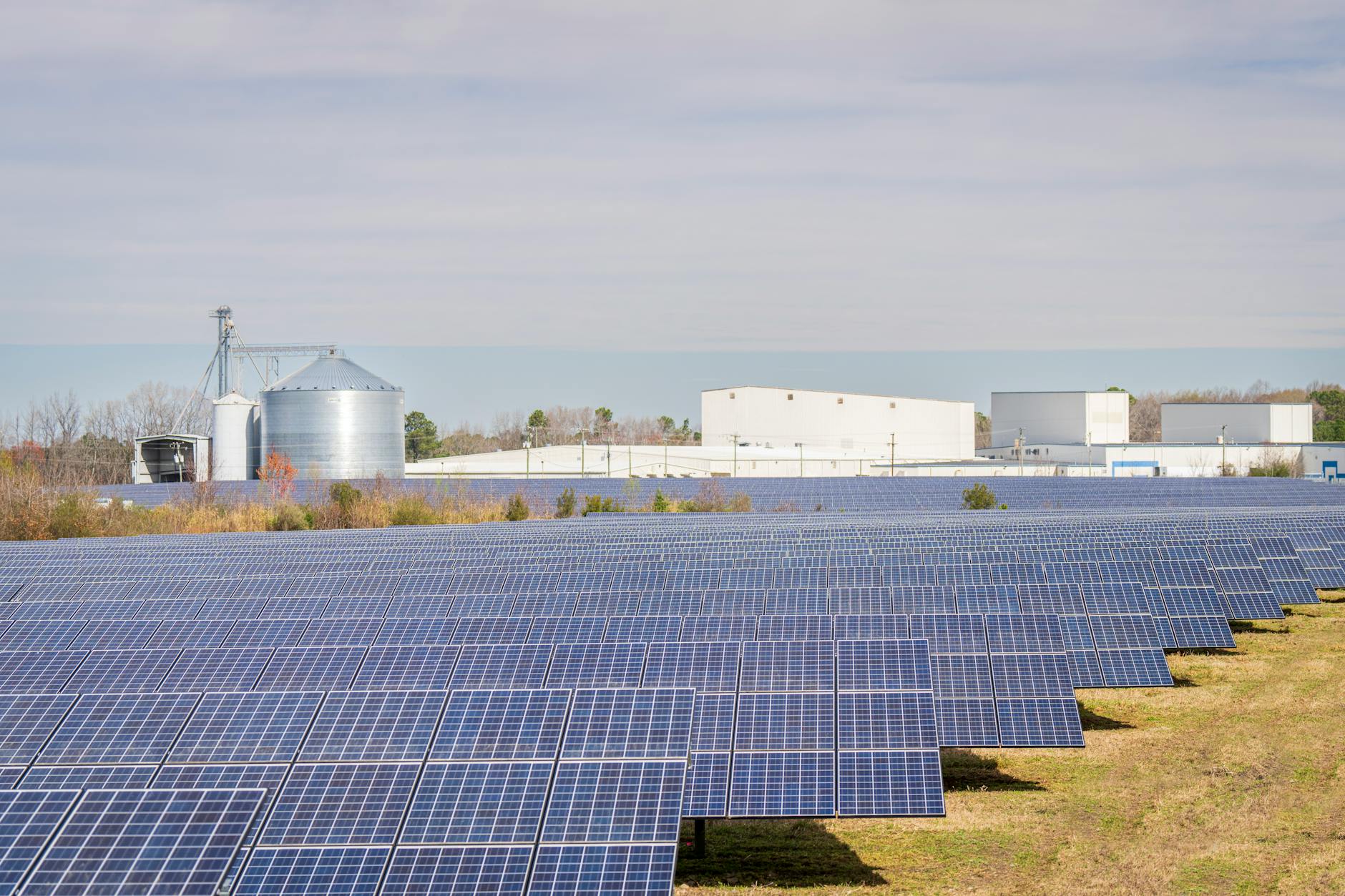
The numbers tell a compelling story. Corporate solar purchases reached record highs in 2023, with companies contracting for over 23 gigawatts of renewable capacity – enough to power roughly 4 million homes. This represents a 300% increase from just five years ago, signaling a permanent transformation in corporate energy strategy.
Economic Drivers Behind the Solar Surge
The math is surprisingly straightforward. Solar energy costs have plummeted 90% over the past decade, making corporate solar installations cheaper than traditional grid electricity in most markets. Companies like Target report saving millions annually through their solar programs, with some installations paying for themselves within seven years.
But the real game-changer is energy price stability. Traditional electricity rates fluctuate with market volatility, regulatory changes, and supply chain disruptions. Corporate solar provides predictable energy costs for 20-25 years, allowing CFOs to plan with unprecedented certainty.
Apple exemplifies this strategic thinking. The company’s solar investments support not just its retail stores and offices, but entire supply chain operations. By controlling energy production, Apple reduces operational risks while supporting its carbon neutrality commitments – a dual benefit that resonates with investors and consumers alike.
Tax incentives sweeten the deal considerably. The federal Investment Tax Credit allows companies to deduct 30% of solar installation costs, while many states offer additional rebates and accelerated depreciation schedules. These policies effectively subsidize corporate transitions to renewable energy.
Supply Chain Security and Energy Independence
Recent global events highlighted dangerous vulnerabilities in traditional energy supply chains. The war in Ukraine, Texas winter storms, and California grid instability demonstrated how external factors can cripple business operations overnight.
Corporate solar farms offer unprecedented energy security. Companies with on-site generation maintained operations during regional blackouts, while competitors faced costly shutdowns. This resilience factor increasingly drives executive decisions, particularly for manufacturing and data center operations where power interruptions cost thousands per minute.
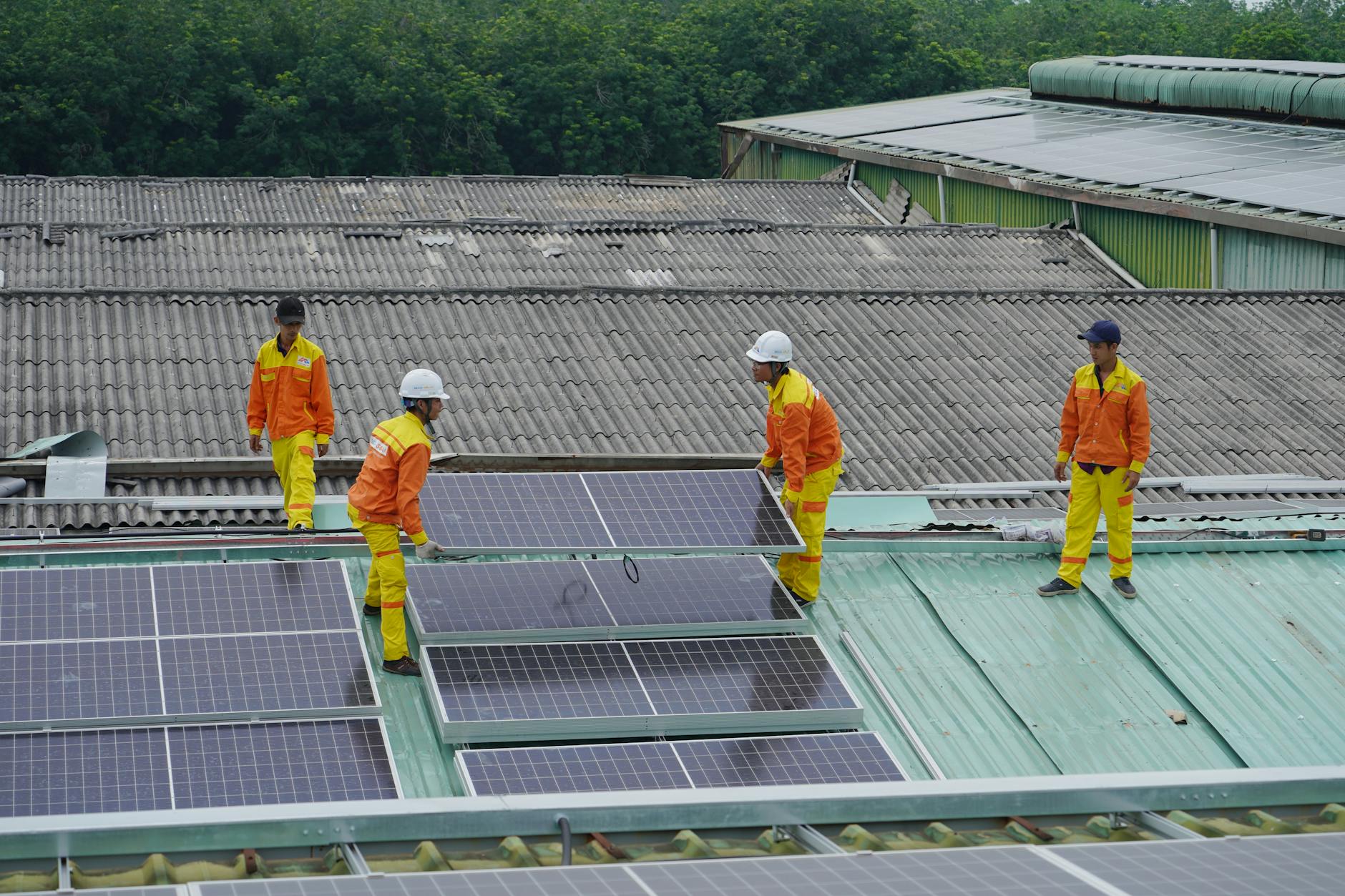
Walmart’s solar strategy illustrates this defensive approach. The retail giant has installed solar systems on over 550 store rooftops and distribution centers, creating a distributed energy network that reduces grid dependence. During Hurricane Laura in 2020, several Walmart locations with solar-plus-battery systems remained operational while surrounding areas lost power.
Technology companies face especially acute energy demands. Meta’s data centers consume enormous amounts of electricity, with some facilities requiring as much power as small cities. By building dedicated solar installations, Meta stabilizes both costs and supply, while positioning itself favorably with sustainability-conscious users and regulators.
Manufacturing companies benefit similarly. Tesla’s Gigafactory in Nevada incorporates one of the world’s largest rooftop solar installations, directly powering battery production. This integration reduces manufacturing costs while supporting Tesla’s brand positioning around sustainable transportation.
Regulatory Landscape and Competitive Advantages
Government policies increasingly favor renewable energy adoption. The Inflation Reduction Act extended and enhanced tax credits for corporate solar, while new SEC climate disclosure rules require companies to report energy consumption and emissions data. These regulatory shifts make renewable energy adoption a business necessity rather than optional corporate citizenship.
Environmental, Social, and Governance (ESG) investing has mainstreamed sustainability metrics. Institutional investors managing trillions in assets now evaluate companies partly on renewable energy adoption. Blackrock, Vanguard, and other major fund managers explicitly consider climate strategies when making investment decisions.
Consumer behavior reinforces these trends. Surveys consistently show younger demographics prefer brands with strong environmental commitments. Companies like Patagonia, Ben & Jerry’s, and IKEA use renewable energy adoption as marketing differentiators, turning solar investments into competitive advantages.

Corporate renewable energy purchasing also signals market leadership to employees and partners. Top talent increasingly considers workplace sustainability when evaluating job opportunities. Google, Microsoft, and other tech leaders cite renewable energy programs in recruiting materials, framing environmental responsibility as company culture.
The Future of Corporate Energy Independence
Industry forecasts predict continued acceleration in corporate solar adoption. Bloomberg New Energy Finance projects corporate renewable energy purchases could triple by 2030, driven by improving battery storage technology and declining installation costs.
Emerging technologies will expand corporate solar capabilities. Advanced battery systems enable companies to store excess solar generation for nighttime use or grid outages. Smart grid integration allows companies to sell surplus power back to utilities, creating new revenue streams from energy infrastructure investments.
The corporate solar revolution represents more than environmental activism – it’s strategic business evolution. Companies building renewable energy capabilities today position themselves for an economy where energy independence, cost predictability, and sustainability credentials determine competitive success.
As traditional energy markets face increasing volatility and regulatory pressure, corporate solar investments appear less like optional environmental gestures and more like essential business infrastructure. The companies leading this transition may well define the next era of American business operations.
Frequently Asked Questions
Why are companies building their own solar farms instead of buying renewable energy?
Corporate solar farms provide greater energy cost predictability, supply security, and often better long-term economics than purchasing renewable energy from utilities.
How much can companies save with corporate solar installations?
Companies like Target report saving millions annually, with many installations paying for themselves within 7-10 years through reduced electricity costs.