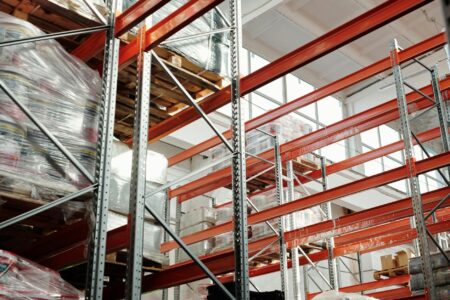



Walmart’s massive parking lot in Bentonville, Arkansas looks different these days. Where shoppers once parked their cars, automated robots now move packages through a sprawling fulfillment center. The retail giant isn’t alone in this transformation – Target, Home Depot, and dozens of other major retailers are converting portions of their parking lots into last-mile delivery hubs, fundamentally reshaping how Americans receive their online orders.
The shift represents one of the most significant changes to retail real estate in decades. As e-commerce demand continues growing and same-day delivery becomes the new standard, retailers are discovering that their existing store locations offer untapped potential for logistics operations. Rather than building new warehouses miles away from customers, they’re literally bringing fulfillment closer to home.

The Economics Behind the Conversion
Converting parking lots into fulfillment centers makes financial sense for several reasons. Traditional warehouse space in urban areas costs retailers between $8 to $15 per square foot annually, while converting existing parking space typically costs 40% less when factoring in construction and zoning advantages.
Target pioneered this approach in 2017 when it began testing “sortation centers” in parking lots near high-traffic stores. These compact facilities, roughly the size of a grocery store, can process up to 10,000 packages daily. The company now operates more than 15 such centers, with plans to double that number by 2025.
“We’re essentially turning every store into a mini-distribution center,” explains a Target spokesperson. The strategy allows retailers to fulfill online orders within hours rather than days, meeting customer expectations while reducing shipping costs.
Best Buy has taken a similar approach, converting portions of parking lots at 250 stores into micro-fulfillment centers. These facilities specialize in high-frequency items like phone accessories, gaming equipment, and small appliances. By storing popular products closer to customers, the electronics retailer cut average delivery times from 2-3 days to same-day or next-day for many metropolitan areas.
The conversion trend extends beyond traditional retailers. Amazon has partnered with shopping centers to place fulfillment pods in unused parking spaces, while Kroger is testing automated grocery fulfillment centers in the parking lots of select stores.
Technology Enabling the Transformation
Modern fulfillment centers require sophisticated technology to operate efficiently in compact spaces. Automated storage and retrieval systems, similar to those used in Amazon warehouses, maximize vertical space utilization. These robotic systems can store and retrieve items from heights up to 30 feet, dramatically increasing storage capacity compared to traditional shelving.
Walmart’s parking lot fulfillment centers use autonomous mobile robots that navigate between storage towers, retrieving items for human packers. This system processes orders 5 times faster than traditional warehouse picking methods while requiring 75% less floor space.
Artificial intelligence plays a crucial role in inventory management. Machine learning algorithms predict which products should be stored at each location based on local demand patterns, seasonal trends, and real-time sales data. This localized approach means a fulfillment center in Miami might stock more swimwear and sunscreen, while one in Minneapolis focuses on winter gear and electronics.
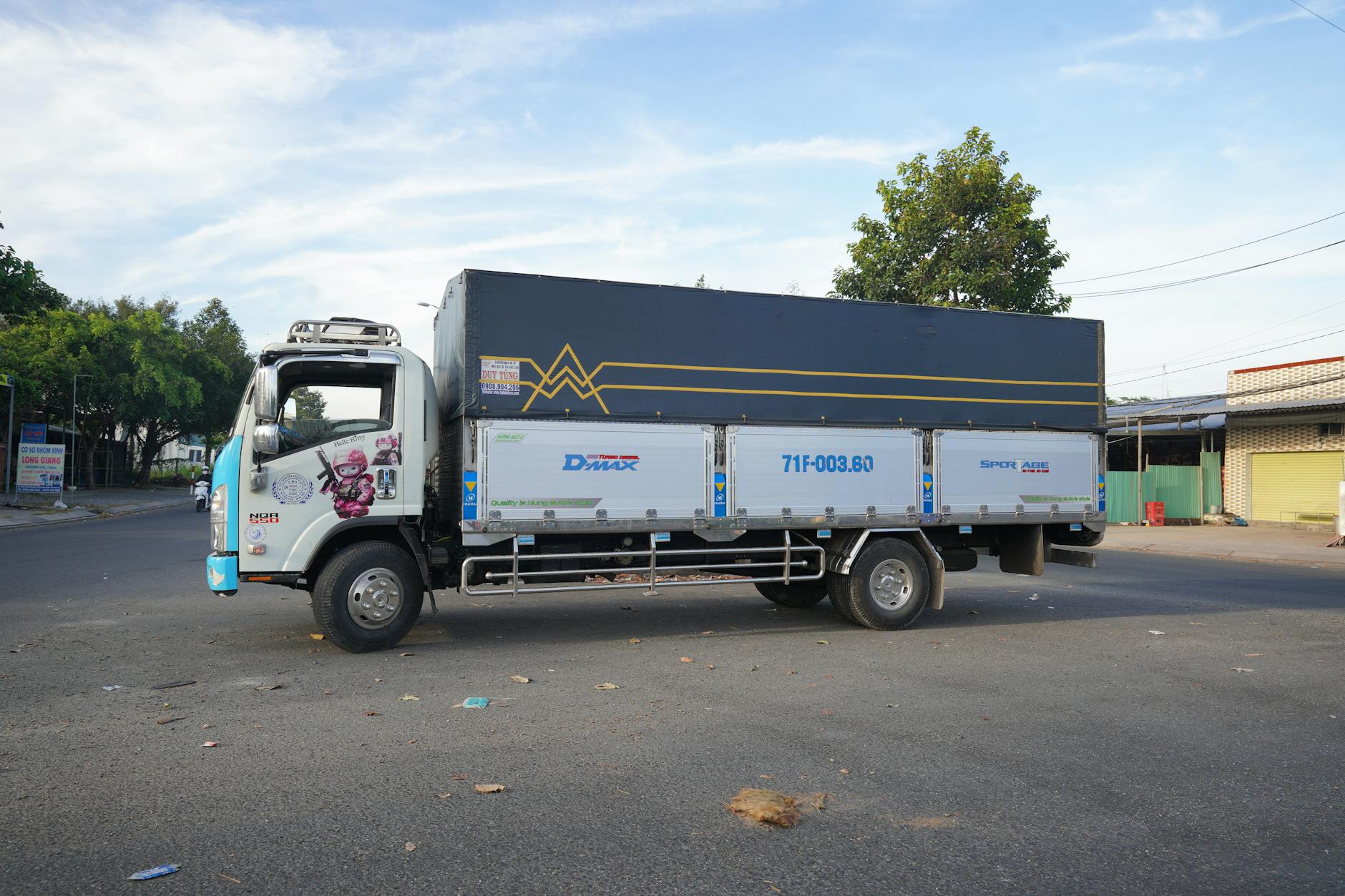
The technology also extends to delivery logistics. Many converted facilities serve as staging areas for delivery vehicles, including traditional trucks, electric vans, and even drone delivery systems being tested by companies like Walmart and Amazon.
Overcoming Regulatory and Community Challenges
Converting parking lots isn’t without obstacles. Zoning laws in many municipalities require minimum parking ratios for retail stores, creating legal hurdles for conversion projects. Retailers often need to prove that reduced parking won’t negatively impact customer access or create traffic problems.
Target addressed this challenge by partnering with rideshare companies and implementing reserved parking spaces for curbside pickup customers. The retailer also installed electric vehicle charging stations to maximize the utility of remaining parking spaces.
Community relations represent another consideration. Some neighborhoods initially resisted the increased delivery truck traffic associated with fulfillment centers. Home Depot responded by implementing strict delivery schedules, limiting truck access to specific hours and using smaller, quieter electric vehicles for final-mile delivery in residential areas.
Environmental concerns have also shaped conversion strategies. Many retailers are incorporating green building practices, including solar panels on fulfillment center roofs and rainwater collection systems. Tech companies are acquiring traditional manufacturing firms to develop more sustainable packaging and automation solutions for these facilities.
Impact on Local Employment and Real Estate
The conversion trend is creating new job categories while transforming existing roles. Traditional retail associates are being trained to operate fulfillment equipment, while new positions emerge in areas like robotics maintenance and inventory optimization.
Walmart reports that employees at stores with converted parking lots earn an average of 15% more than those at traditional locations, reflecting the technical skills required for fulfillment operations. The company has invested over $100 million in employee training programs to support this transition.
Real estate implications extend beyond individual retailers. Shopping centers are redesigning their layouts to accommodate fulfillment operations, with some dedicating entire sections to logistics rather than traditional retail tenants. This shift is particularly evident in suburban areas where land costs make large fulfillment centers economically challenging.
The trend is also influencing urban planning. Cities like Austin, Texas and Portland, Oregon are updating zoning codes to accommodate hybrid retail-fulfillment facilities, recognizing their role in reducing traffic congestion and supporting local employment.
The parking lot conversion trend reflects broader changes in consumer behavior and retail economics. As online shopping continues growing and delivery expectations evolve, retailers must adapt their physical infrastructure accordingly. Converting existing parking space offers a cost-effective solution that brings fulfillment operations closer to customers while maximizing the utility of existing real estate investments.
Industry analysts predict this trend will accelerate over the next five years, with smaller retailers following the lead of major chains. The success of early adopters demonstrates that parking lot conversions can improve both operational efficiency and customer satisfaction, creating a competitive advantage in an increasingly crowded e-commerce landscape.
Frequently Asked Questions
Why are retailers converting parking lots to fulfillment centers?
Retailers save 40% on costs compared to traditional warehouses while bringing products closer to customers for faster delivery.
How do parking lot fulfillment centers work?
They use automated robots and AI to store and retrieve products in compact vertical spaces, processing thousands of orders daily.