



Department stores across America are quietly transforming their forgotten basements into lucrative storage facilities, tapping into the booming urban logistics market worth billions annually. What was once dead retail space filled with outdated inventory is becoming the backbone of last-mile delivery operations, generating new revenue streams for struggling brick-and-mortar retailers.
The shift represents a fundamental reimagining of retail real estate. Major chains like Macy’s, JCPenney, and regional department stores are partnering with logistics companies to convert their basement levels into micro-fulfillment centers and urban warehouses. These underground spaces, often spanning thousands of square feet beneath flagship stores, offer something increasingly valuable in dense urban areas: affordable storage space with prime location access.
The Economics Behind the Underground Revolution
The financial incentive is compelling. Traditional department stores have seen basement-level retail operations become increasingly unprofitable as consumer shopping patterns shift online. Meanwhile, e-commerce companies and logistics providers are paying premium rates for urban storage space – sometimes triple what retailers can earn from traditional basement retail operations.
Macy’s has been leading this transformation, converting basement levels in several major cities into storage facilities for third-party logistics companies. The department store giant reportedly earns between $15-25 per square foot annually from these arrangements, compared to the $8-12 per square foot they typically generate from basement retail operations.
The arrangement benefits all parties involved. Retailers gain steady rental income from otherwise underutilized space. Logistics companies secure urban warehouse space at rates significantly below traditional commercial real estate prices. Consumers benefit from faster delivery times, as packages can be stored and dispatched from locations minutes away from residential areas rather than hours away in suburban warehouses.
Infrastructure Advantages of Retail Basements
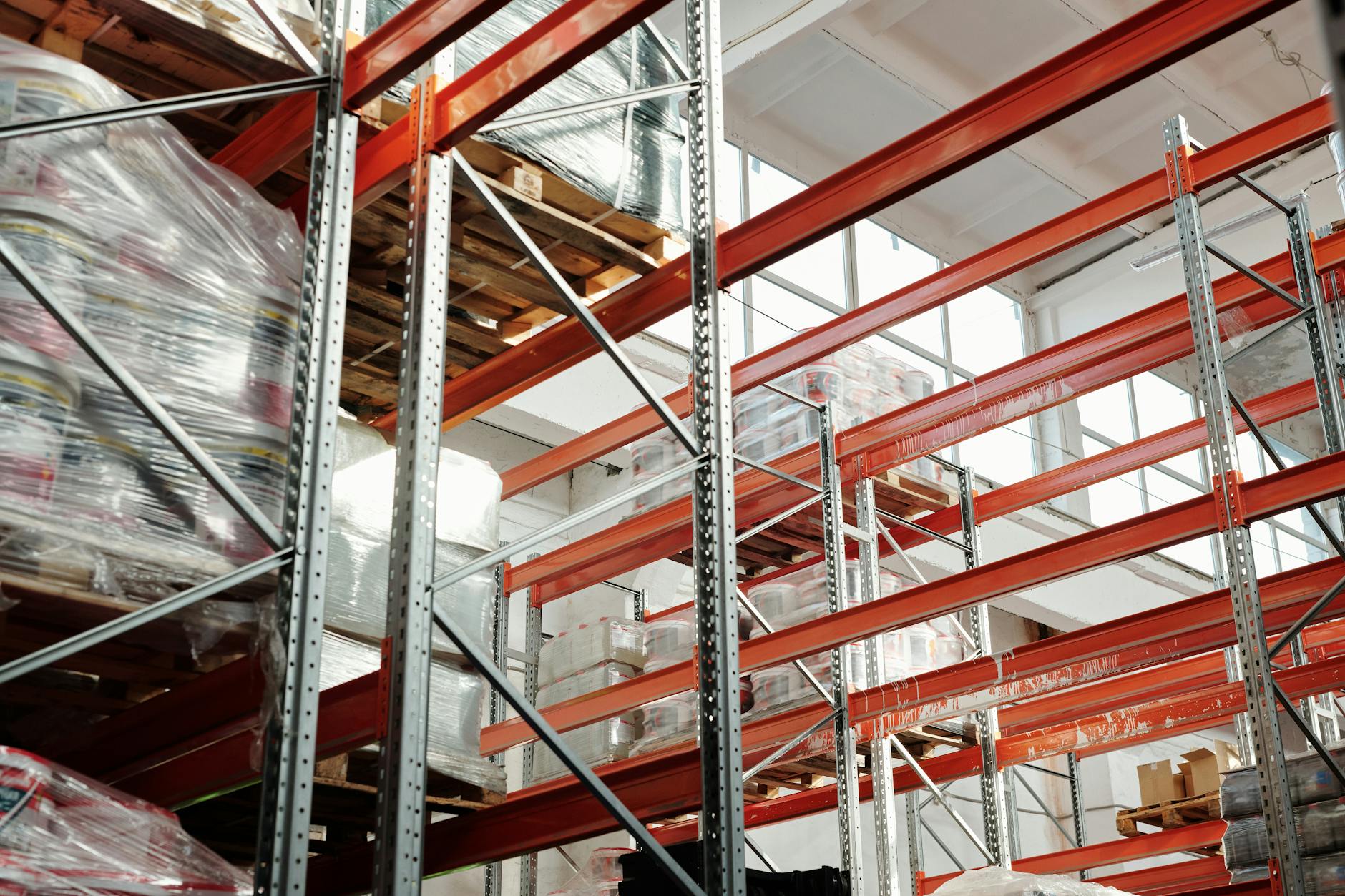
Retail basements offer unique advantages over traditional urban warehouses. Most department store basements were built with robust infrastructure to handle heavy foot traffic and merchandise movement. They feature reinforced floors, wide corridors, multiple access points, and existing loading dock connections.
The ceiling heights, while lower than purpose-built warehouses, are sufficient for most consumer goods storage. Climate control systems are already in place, and many locations have freight elevators designed for moving large quantities of merchandise – infrastructure that translates perfectly to logistics operations.
Perhaps most importantly, these spaces sit beneath stores in prime commercial districts with excellent transportation access. A basement storage facility beneath a downtown department store can serve delivery routes across an entire metropolitan area more efficiently than suburban warehouses located 30-50 miles from city centers.
Several regional chains have reported installation costs of $50,000-$100,000 to convert basement retail space into logistics-ready facilities – a fraction of the millions required to build new urban warehouses from scratch.
Operational Models and Strategic Partnerships
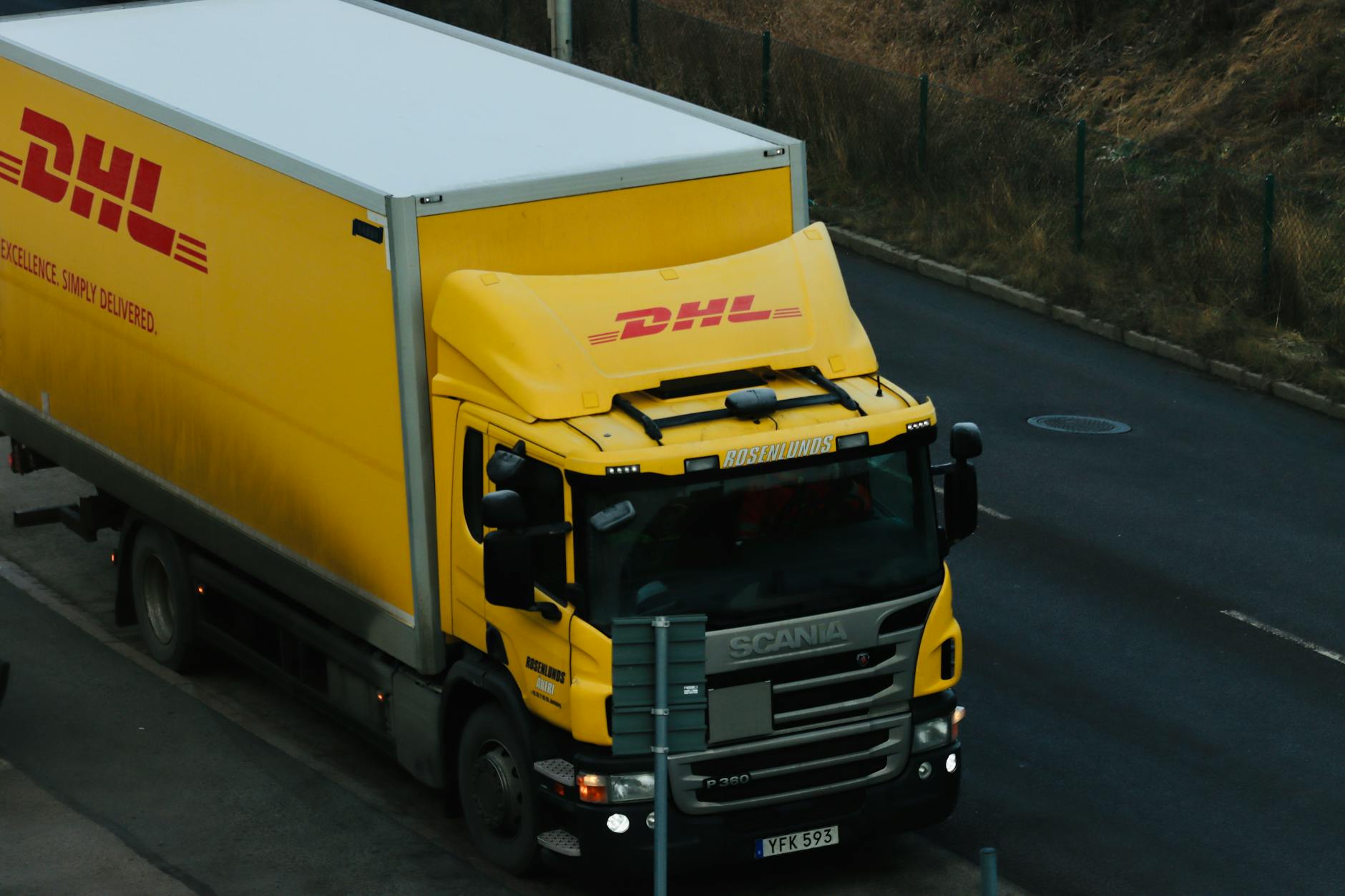
Different retailers are adopting various operational approaches to basement conversion. Some lease space directly to major logistics companies like FedEx, UPS, or regional delivery services. Others partner with e-commerce fulfillment specialists who use the space for inventory storage and order processing.
A growing number of retailers are exploring hybrid models where they maintain some basement retail presence while dedicating portions of the space to storage operations. This approach allows them to test the logistics revenue model while preserving traditional retail options.
How Major Hotels Are Generating Revenue From Electric Vehicle Charging Networks demonstrates a similar trend of established businesses finding creative ways to monetize their existing infrastructure for new revenue streams.
JCPenney has experimented with allowing local businesses to use basement storage space for inventory overflow during peak seasons. Small retailers and online sellers pay monthly fees to store seasonal merchandise, promotional materials, and backup inventory in secure, climate-controlled basement areas.
Some chains have partnered with grocery delivery services, using basement space to store non-perishable items for rapid urban delivery. This model has proven particularly effective in dense metropolitan areas where grocery delivery demand has surged.
Market Response and Industry Impact
The real estate investment community has taken notice of this trend. Several major retail properties have seen their valuations increase after announcing basement conversion plans, as investors recognize the potential for diversified revenue streams.
Property management companies specializing in retail real estate are actively marketing basement conversion services to their tenant retailers. They’re positioning these spaces as “urban logistics hubs” and promoting the stable, long-term rental income potential to retailers struggling with declining foot traffic.
The success of basement conversions is influencing new retail construction. Some developers are designing ground-floor retail spaces with basement levels specifically intended for dual retail-logistics use. These hybrid spaces feature separate access points for consumer and commercial traffic, specialized loading areas, and flexible infrastructure that can adapt to changing business needs.
Industry analysts predict this trend will accelerate as urban real estate prices continue rising and e-commerce delivery demands intensify. The National Retail Federation estimates that over 2,000 department store basement levels could be converted to logistics use within the next five years.
Future of Urban Retail Real Estate
The basement conversion trend signals a broader transformation in how retailers think about their physical footprint. Rather than viewing stores purely as customer-facing spaces, forward-thinking retailers are recognizing their properties as multi-functional assets capable of generating revenue from various sources.
This shift mirrors other industries finding new uses for existing infrastructure, similar to How Major Furniture Retailers Are Monetizing Interior Design Consultation Services, where businesses leverage their expertise and facilities in innovative ways.
The long-term implications extend beyond individual retailer profits. As more basement space converts to logistics use, urban areas may see reduced delivery truck congestion as packages are stored and dispatched from distributed neighborhood locations rather than centralized distant warehouses.
The basement conversion movement represents retail’s adaptation to changing consumer behavior and urban logistics demands. Retailers who embrace this transformation position themselves to thrive in an evolving commercial landscape where flexibility and innovation drive success.
Frequently Asked Questions
Why are retailers converting basements to storage facilities?
Basement retail operations are less profitable than renting space to logistics companies, which pay premium rates for urban storage locations.
What advantages do retail basements offer for storage?
They feature existing infrastructure like loading docks, freight elevators, and prime urban locations with excellent transportation access.