


The Farm-to-Store Revolution Reshapes Retail
Walmart trucks now roll directly from Iowa corn fields to distribution centers. Target sources tomatoes from vertical farms in abandoned Detroit warehouses. Whole Foods contracts with urban rooftop gardens in Brooklyn for fresh herbs. What started as a pandemic-era necessity has evolved into a fundamental shift in how major retailers source their products.
The traditional supply chain model-where products pass through multiple intermediaries before reaching store shelves-is crumbling under the weight of disruption, cost pressures, and consumer demands for transparency. Major retailers are responding by forging direct partnerships with local and regional farms, cutting out distributors and wholesalers to gain unprecedented control over their food sourcing.
This transformation represents more than just operational efficiency. It’s a strategic pivot that addresses rising consumer expectations for fresh, local products while providing retailers with supply chain resilience that traditional models can’t match.
Direct Sourcing Cuts Costs and Complexity
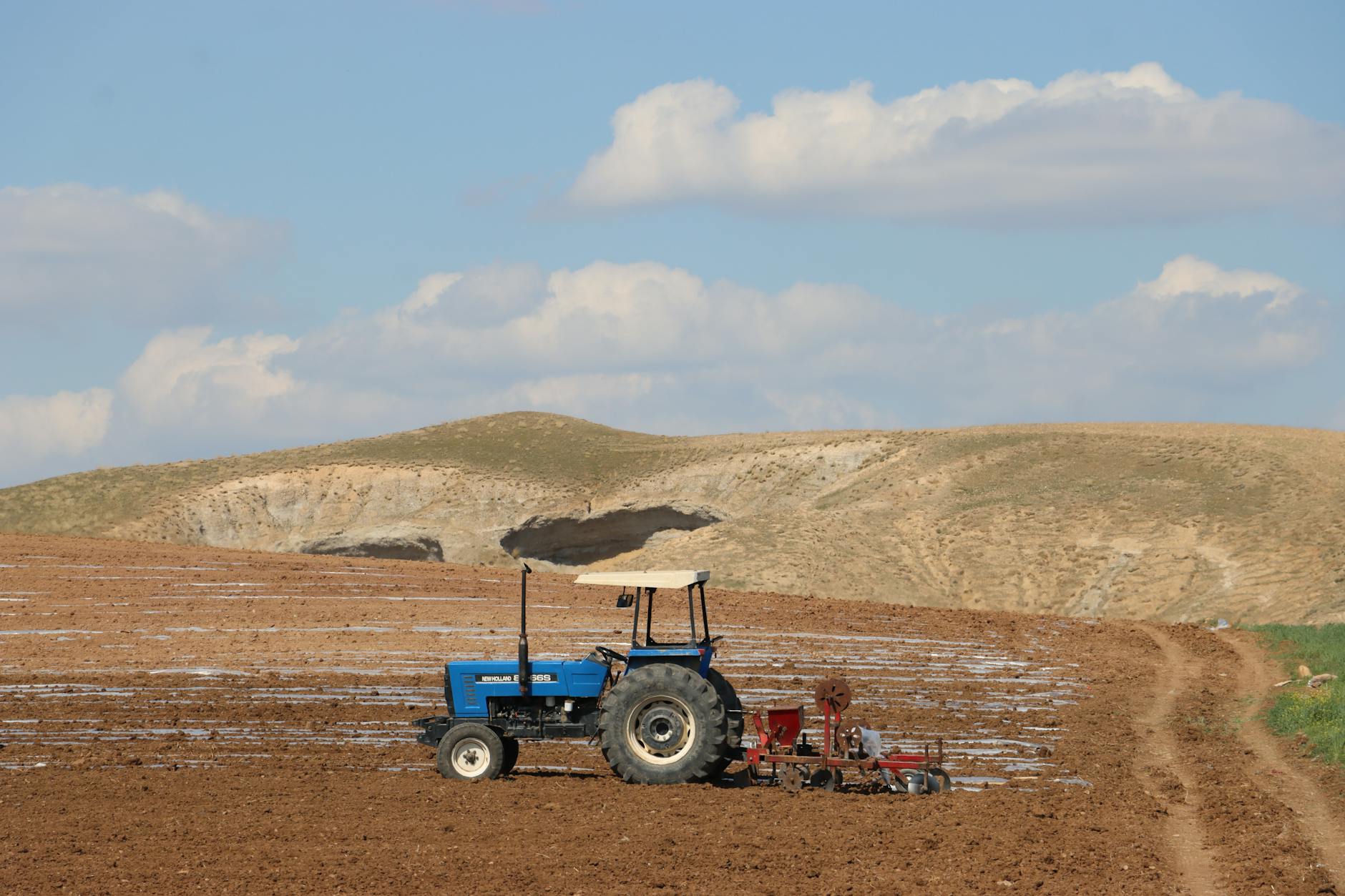
The numbers tell the story. Traditional food distribution involves an average of five to seven intermediaries between farm and store, each adding markup and handling costs. By partnering directly with farms, retailers eliminate these middleman fees while gaining real-time visibility into product quality and availability.
Walmart’s direct sourcing program, launched in 2019 and expanded significantly during the pandemic, now encompasses partnerships with over 1,200 farms across 47 states. The retail giant reports cost savings of 15-20% on directly sourced produce compared to traditional wholesale purchasing. More importantly, these partnerships allow Walmart to guarantee product specifications and delivery timing that wholesale markets can’t provide.
Target has taken a different approach, focusing on smaller regional farms and specialty producers. The company’s “Farm to Table” initiative partners with farms within 200 miles of major distribution centers, reducing transportation costs and delivery times. Products reach Target shelves within 24-48 hours of harvest, compared to the traditional 7-10 day journey through wholesale markets.
This speed-to-shelf advantage has become crucial as consumers increasingly prioritize freshness. Research from the Food Marketing Institute shows that 73% of shoppers consider “days since harvest” a primary factor in produce purchasing decisions, up from 45% in 2019.
Technology Enables Precision Partnerships
Modern farm-retail partnerships rely heavily on technology integration that would have been impossible just five years ago. Retailers now use satellite imagery to monitor crop health and predict harvest timing. IoT sensors track soil moisture, temperature, and nutrient levels in real-time, allowing retailers to adjust order volumes and timing based on actual growing conditions rather than historical estimates.
Kroger has invested heavily in predictive analytics that combine weather data, soil sensors, and historical yield information to forecast farm output with 85% accuracy up to six weeks in advance. This precision allows the grocery chain to adjust pricing, marketing, and inventory allocation before products even leave the field.
The technology integration extends beyond monitoring. Many retailers now provide farms with seeds, fertilizers, and growing specifications to ensure products meet exact quality standards. Whole Foods’ partnership with Gotham Greens involves detailed growing protocols that specify everything from nutrient solutions to lighting schedules for indoor farming operations.
These technological partnerships mirror broader corporate trends toward AI-driven optimization. Just as Fortune 500 companies are replacing HR departments with AI to streamline operations, retailers are using advanced analytics to eliminate inefficiencies in their supply chains.
Consumer Demand Drives Local Sourcing
The shift toward local farm partnerships reflects deeper changes in consumer behavior and expectations. Millennials and Gen Z shoppers increasingly view food purchases as values-based decisions, considering environmental impact, labor practices, and community support alongside price and quality.
A 2023 survey by Nielsen found that 67% of consumers are willing to pay premium prices for locally sourced products, with “local” typically defined as within 250 miles of the point of sale. This willingness to pay more gives retailers margin flexibility that traditional commodity sourcing doesn’t provide.
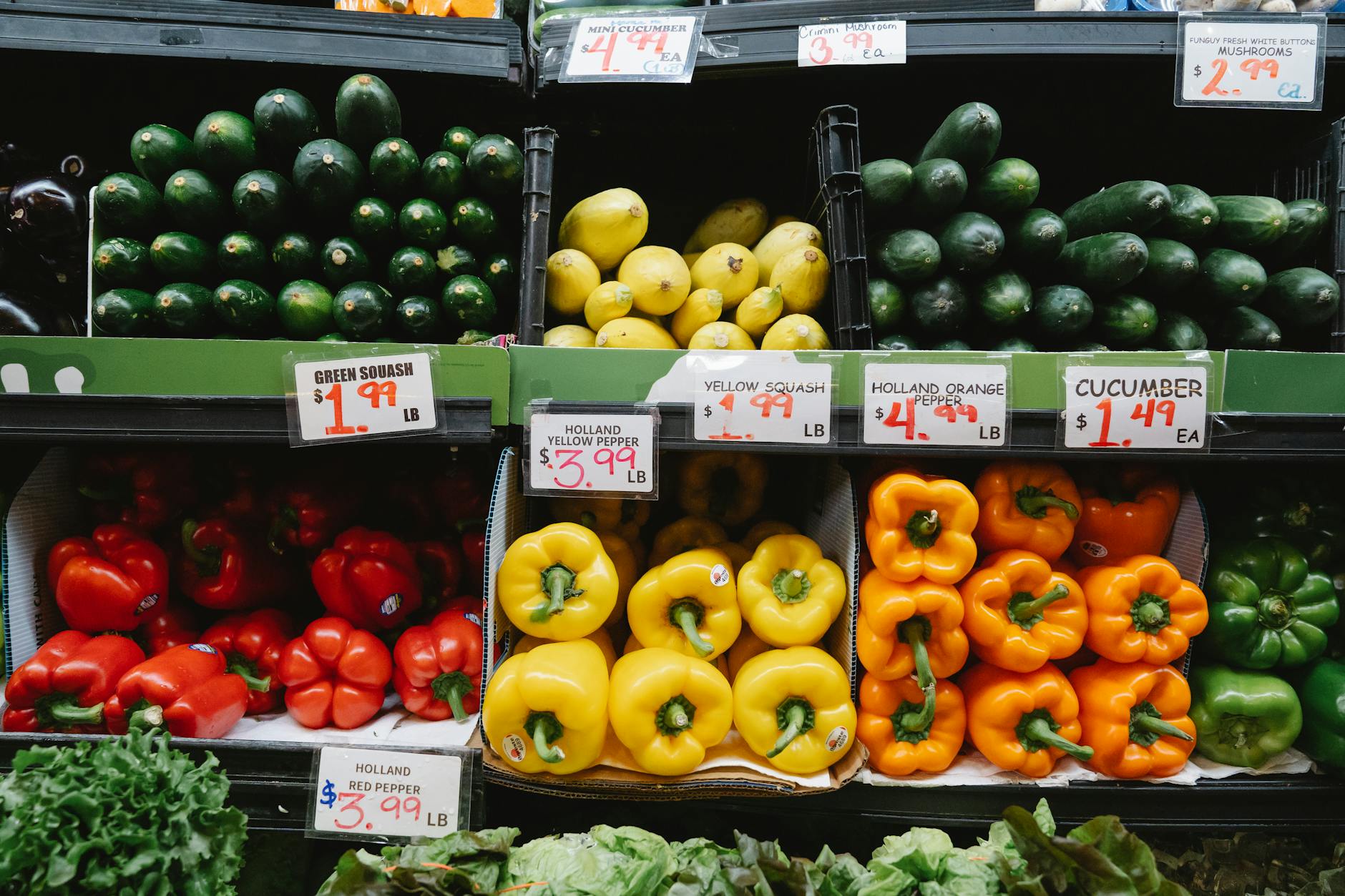
Retailers have responded by making local sourcing visible and marketable. Store signage now commonly features farm names, locations, and harvest dates. Some chains have created “local corners” that highlight regional partnerships, complete with farmer profiles and growing methods.
The transparency extends to digital platforms. Many retailers now offer QR codes on produce that link to detailed information about the farm, growing practices, and transportation journey. This level of traceability appeals to health-conscious consumers while building brand loyalty through storytelling.
Regional Specialization Creates Competitive Advantages
Smart retailers are using local farm partnerships to create regional product differentiation that competitors can’t easily replicate. HEB in Texas has developed exclusive relationships with Hill Country peach growers and East Texas tomato farms, creating signature products that reinforce the chain’s identity as a Texas institution.
Similarly, Publix has leveraged its southeastern footprint to partner with Florida citrus groves, Georgia peach orchards, and Carolina sweet potato farms. These partnerships allow Publix to offer products that northern competitors simply can’t match, creating natural geographic barriers to competition.
The regional approach also provides insurance against supply chain disruptions. When California drought conditions threatened lettuce supplies in 2022, retailers with diversified local partnerships were able to maintain inventory by sourcing from hydroponic operations in Arizona and vertical farms in Nevada.
The Future of Farm-Retail Integration
The partnership model between major retailers and local farms is still evolving, with new innovations emerging quarterly. Some retailers are experimenting with contract farming, where they provide upfront financing to farmers in exchange for exclusive access to harvest yields. Others are investing directly in farming operations, creating vertically integrated supply chains that they control from seed to sale.
Climate change concerns are pushing partnerships toward more sustainable growing methods. Several major chains now require partner farms to adopt regenerative agriculture practices, carbon-neutral growing methods, or water conservation technologies. These requirements, backed by long-term contracts, are driving adoption of sustainable farming practices faster than government regulations alone could achieve.
The success of farm partnerships may inspire similar direct sourcing models in other retail categories. Early experiments in direct relationships with clothing manufacturers, electronics producers, and consumer goods companies suggest that the intermediary-elimination trend extends far beyond food retail.
As consumer expectations for transparency, freshness, and local sourcing continue to rise, retailers who have invested in direct farm partnerships will likely maintain competitive advantages over those still dependent on traditional wholesale distribution. The question isn’t whether this trend will continue, but how quickly traditional supply chain models will adapt or become obsolete.
Frequently Asked Questions
Why are major retailers partnering directly with local farms?
Direct farm partnerships eliminate middleman costs, improve product freshness, and provide better supply chain control while meeting consumer demand for local sourcing.
How do farm partnerships benefit retailers financially?
Retailers report 15-20% cost savings by eliminating wholesale markups and reducing transportation costs through local sourcing within 200 miles of stores.