


Self-checkout lines that once promised convenience have become retail nightmares. Long waits, frustrated customers, and soaring theft losses are pushing major supermarket chains toward an unexpected solution: AI-powered cashier systems that combine human oversight with machine precision.
Walmart, Kroger, and other industry giants are quietly testing advanced checkout technologies that use artificial intelligence to scan items, process payments, and detect potential theft – all while maintaining the speed customers expect. The shift represents a significant departure from the self-service model that dominated grocery retail for two decades.
The Self-Checkout Experiment Gone Wrong
Self-checkout systems seemed revolutionary when they first appeared in supermarkets during the early 2000s. Retailers promised shorter lines, reduced labor costs, and enhanced customer control over the shopping experience. Instead, they created new problems that have only worsened over time.
Customer complaints about self-checkout systems reached record highs in 2023, according to retail industry surveys. The technology struggles with produce recognition, coupon validation, age verification for restricted items, and weight discrepancies that trigger constant employee interventions. What was supposed to be faster often takes longer than traditional checkout lanes.
Theft through self-checkout has become a massive financial drain. The National Retail Federation reports that inventory shrinkage – largely attributed to self-checkout theft – costs retailers billions annually. Items go unscanned, barcodes get switched, and expensive products get rung up as cheaper alternatives. Some customers view these systems as an invitation to reduce their grocery bills through creative scanning techniques.
Employee frustration adds another layer to the problem. Self-checkout attendants spend their shifts troubleshooting technical glitches, verifying purchases, and managing increasingly complex payment systems. The promise of reduced labor costs evaporated as stores discovered they needed just as many staff members to supervise the automated systems.
AI Cashier Technology Takes Center Stage
The new generation of AI checkout systems represents a fundamental reimagining of how grocery transactions should work. Unlike self-checkout kiosks that put the scanning burden on customers, these systems use computer vision and machine learning to identify items as shoppers place them in their carts or bags.
Camera arrays positioned above checkout stations capture multiple angles of each product, while sophisticated algorithms instantly recognize items based on shape, size, color, and packaging details. The technology can distinguish between different apple varieties, identify produce by appearance, and even detect when customers attempt to substitute expensive items for cheaper ones.
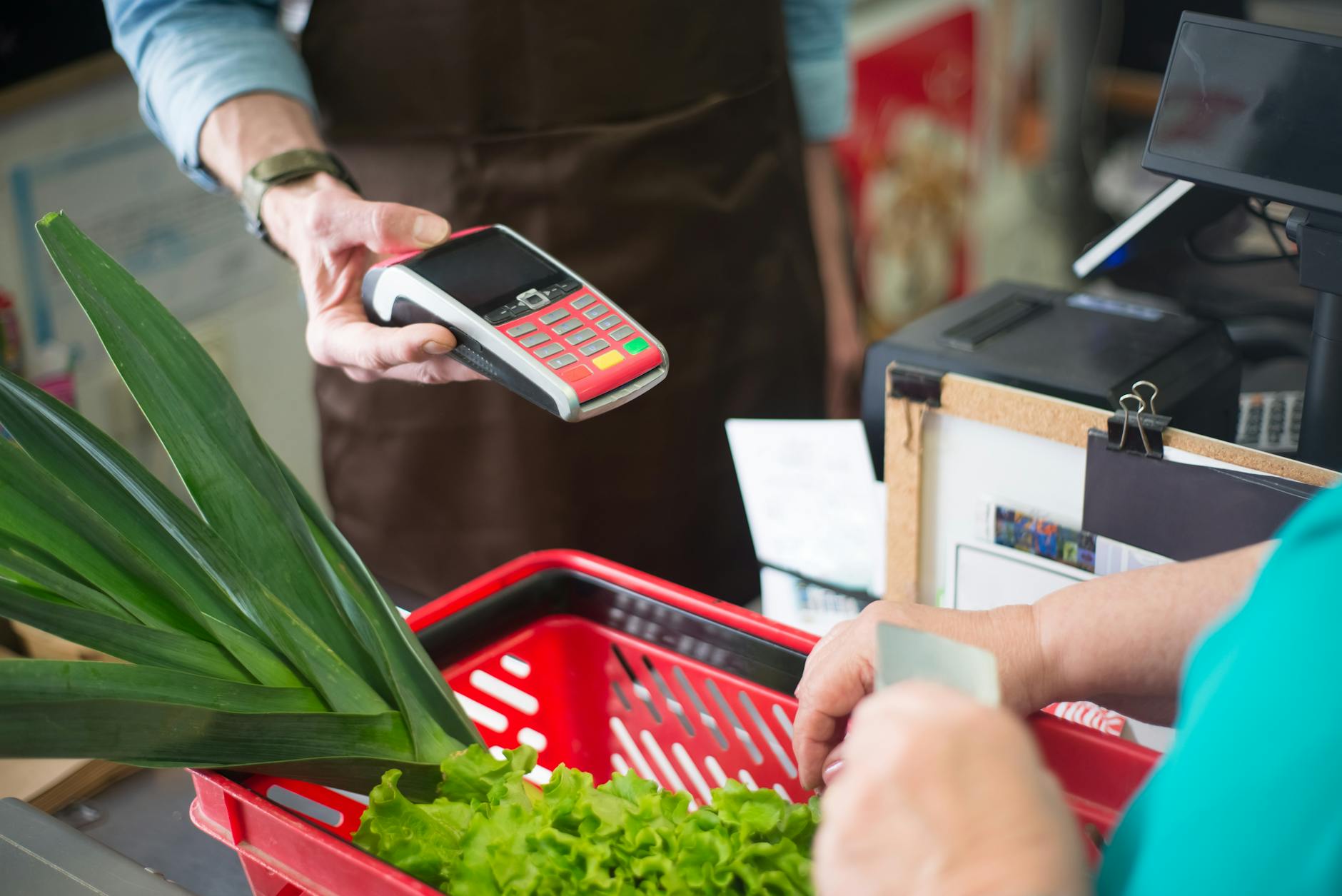
Payment processing happens seamlessly through integrated systems that accept cards, mobile payments, and cash through automated dispensers. Age verification for alcohol and tobacco occurs through facial recognition or ID scanning, eliminating the need for employee oversight on routine transactions.
Major technology companies including Amazon, Google, and Microsoft have developed competing AI checkout platforms, each promising higher accuracy rates and faster processing times. Early pilot programs at select Walmart and Kroger locations have shown promising results, with transaction times averaging 30% faster than traditional checkout and theft detection rates significantly higher than self-checkout systems.

Industry Leaders Embrace the Transition
Walmart has emerged as the most aggressive adopter of AI cashier technology, reportedly planning installations at over 1,000 locations by the end of 2024. The retail giant views these systems as essential for maintaining competitive advantages while addressing persistent theft and efficiency challenges that have plagued their self-checkout operations.
Kroger has taken a more measured approach, focusing on perfecting the technology in test markets before broader deployment. Their pilot programs concentrate on high-traffic urban stores where theft losses have been most severe and customer wait times longest. Early results suggest significant improvements in both metrics, though the company has not released specific performance data.
Regional chains including Publix, H-E-B, and Wegmans are watching these developments closely while conducting their own smaller-scale tests. The technology represents a substantial capital investment, but industry analysts believe the long-term savings from reduced theft and improved customer satisfaction will justify the costs.
The transition strategy varies among retailers. Some are replacing existing self-checkout systems entirely, while others are creating hybrid models that offer both traditional cashier lanes and AI-assisted checkout options. This approach allows stores to gauge customer preferences while maintaining familiar service levels during the adjustment period.
Training existing employees for these new systems has become a priority. Rather than eliminating jobs, many retailers are repositioning self-checkout attendants as customer service specialists who help with the AI systems and handle exceptions that require human intervention. This evolution mirrors broader trends across retail, where major grocery chains are acquiring local restaurant franchises to diversify their service offerings and create new employment opportunities.
Customer Response and Future Implications
Initial customer reactions to AI cashier systems have been overwhelmingly positive, particularly among shoppers who had grown frustrated with self-checkout difficulties. The technology eliminates the common pain points that made grocery shopping feel like unpaid work – no more searching for barcodes, wrestling with produce scales, or waiting for employee approval on routine purchases.
Privacy concerns represent the primary source of customer resistance. Some shoppers express discomfort with the extensive camera monitoring required for AI checkout systems, viewing it as invasive surveillance rather than helpful technology. Retailers have responded by implementing clear privacy policies and offering traditional checkout lanes for customers who prefer human interaction.
The technology’s accuracy continues improving through machine learning algorithms that adapt to new products, seasonal variations, and regional preferences. Systems can now handle complex scenarios like bundled promotions, loyalty program discounts, and manufacturer coupons without human intervention.
Industry experts predict that successful AI cashier implementations will accelerate adoption across all retail segments, not just grocery stores. The technology’s potential applications extend to department stores, pharmacies, and specialty retailers facing similar challenges with theft and operational efficiency.
The transformation of grocery checkout represents more than a technological upgrade – it signals a fundamental shift in how retailers balance automation with customer service. While self-checkout systems taught the industry that customers don’t want to become unpaid employees, AI cashiers offer the efficiency benefits of automation without transferring work to shoppers.
As these systems prove their effectiveness in reducing theft, improving transaction speed, and enhancing customer satisfaction, expect to see rapid expansion across major retail chains. The grocery checkout line of the future will likely feature AI-powered efficiency with human oversight available when needed, creating a shopping experience that serves both business objectives and customer preferences.
Frequently Asked Questions
Why are grocery stores getting rid of self-checkout?
Self-checkout systems have created customer frustration, increased theft, and required more employee supervision than expected.
How do AI cashier systems work?
They use computer vision and cameras to automatically identify items as customers place them in bags, processing payments without manual scanning.