



Ford’s announcement last year that it would move electric vehicle battery production from Mexico to Michigan sent shockwaves through the manufacturing world. The automaker chose to build a $3.5 billion facility in Marshall, Michigan, despite significantly higher labor costs than their planned Mexican location. This decision exemplifies a growing trend that’s reshaping global supply chains: American companies are bringing manufacturing operations back home, even when it costs more.
The reshoring movement has accelerated dramatically since 2020, with companies across industries choosing domestic production over offshore alternatives. According to the Reshoring Initiative, reshoring announcements reached record levels in 2022 and have continued growing through 2024. What’s driving this shift goes far beyond patriotic sentiment or political pressure.
Supply Chain Vulnerabilities Exposed
The pandemic revealed critical weaknesses in global supply chains that executives can no longer ignore. When COVID-19 shut down factories across Asia in early 2020, American companies faced months-long delays and shortages of everything from semiconductors to furniture components. These disruptions cost businesses billions in lost revenue and forced many to reevaluate their offshore strategies.
Nike experienced this firsthand when Vietnamese factory closures in 2021 led to a 10% drop in quarterly revenue. The sportswear giant has since diversified its manufacturing base and increased production partnerships in countries closer to key markets. Similarly, Apple began shifting some iPhone assembly to India and exploring additional manufacturing locations beyond China.
The semiconductor shortage highlighted another vulnerability. Car manufacturers like General Motors and Ford had to halt production lines for weeks because they couldn’t source chips from Asian suppliers. This crisis prompted the CHIPS Act, which allocates $52 billion for domestic semiconductor manufacturing, but it also made companies realize the true cost of supply chain fragility.
Transportation costs have compounded these challenges. Ocean freight rates skyrocketed during the pandemic, reaching 10 times their normal levels at peak. Even as rates have normalized, they remain elevated compared to pre-2020 levels. Companies are discovering that when they factor in shipping costs, inventory carrying costs, and supply chain risks, domestic production becomes more economically attractive.
The Hidden Economics of Reshoring
Traditional cost analysis focused primarily on wage differences between countries. While Chinese factory workers might earn $5 per hour compared to $25 for American workers, this simple comparison misses crucial factors that affect total production costs.
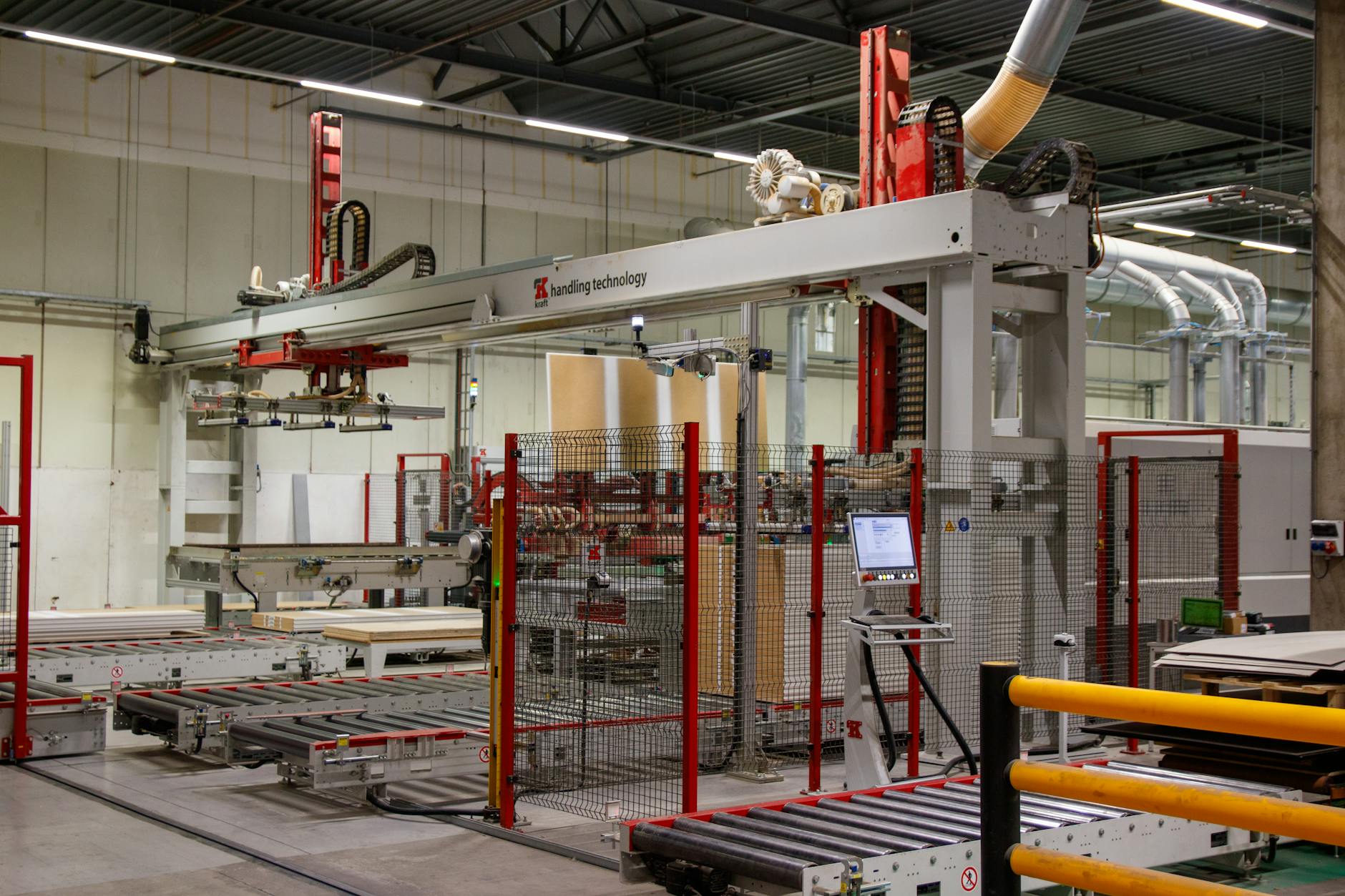
Automation has fundamentally changed the manufacturing equation. Modern factories rely heavily on robotics, artificial intelligence, and advanced machinery that reduces the importance of labor costs. When robots handle most of the work, the wage gap becomes less significant. Companies like Tesla have demonstrated this approach with highly automated factories in Nevada and Texas that compete effectively with overseas production.
Quality control represents another hidden cost advantage. Domestic production allows for tighter oversight and faster problem resolution. Whirlpool found that bringing appliance manufacturing back to Ohio reduced defect rates and warranty claims, offsetting much of the higher labor costs through improved quality.

Intellectual property protection has become increasingly valuable. Companies worry about technology theft and forced technology transfers in some overseas markets. By keeping production domestic, they maintain better control over proprietary processes and innovations. This consideration has become particularly important in high-tech industries where competitive advantages depend on closely guarded manufacturing techniques.
Time-to-market advantages also justify higher costs. Fashion retailer Brooks Brothers can now respond to trend changes in weeks rather than months by producing closer to their customer base. This agility translates into higher sales and reduced inventory waste, often exceeding the additional labor costs.
Government Incentives Sweeten the Deal
Federal and state governments have rolled out substantial incentive packages to encourage reshoring. The Inflation Reduction Act provides tax credits for domestic clean energy manufacturing, while the CHIPS Act offers direct subsidies for semiconductor production. These programs can offset 20-30% of establishment costs for qualifying projects.
States compete aggressively for manufacturing projects. Michigan offered Ford’s battery plant over $1 billion in incentives, including tax breaks and infrastructure improvements. Ohio provided Intel with $2 billion in incentives for its planned semiconductor facilities. These packages often make domestic production financially competitive with overseas alternatives.
The Defense Department has also prioritized domestic sourcing for critical components. Defense contractors must increasingly demonstrate secure supply chains, pushing them toward domestic suppliers even at higher costs. This requirement has created new opportunities for American manufacturers in aerospace, electronics, and advanced materials.
Trade policy uncertainties add another layer of consideration. Tariffs on Chinese goods, while subject to change, have remained partially in place across multiple administrations. Companies want to avoid the risk of future trade disruptions that could make offshore production suddenly uneconomical.
Challenges and Realistic Expectations
Despite the momentum, reshoring faces significant obstacles. The most immediate challenge is workforce availability. Manufacturing employment has declined for decades, leaving skill gaps in many regions. Companies often struggle to find experienced machinists, technicians, and engineers needed for modern production facilities.
Training programs are expanding, but they take time to produce results. Community colleges and manufacturers are partnering on apprenticeship programs, but building a skilled workforce remains a multi-year process. Some companies have had to delay production schedules while they recruit and train workers.
Infrastructure limitations also constrain reshoring efforts. Many former manufacturing regions need substantial investments in power grids, transportation networks, and telecommunications to support modern factories. While government programs address some needs, infrastructure development often lags behind company timelines.

The Future of American Manufacturing
The reshoring trend appears sustainable rather than cyclical. Companies are making long-term capital investments in domestic facilities, suggesting they view this as a permanent strategic shift rather than a temporary response to recent disruptions. The combination of automation advances, supply chain risk awareness, and government support creates a foundation for continued growth.
However, reshoring won’t replace all overseas production. Labor-intensive industries like basic textiles and simple consumer goods will likely remain offshore. The focus is shifting toward high-value, technology-intensive manufacturing where automation can offset wage differences and where supply chain reliability justifies premium costs.
The next decade will likely see a more balanced global manufacturing footprint, with companies maintaining diverse production bases rather than concentrating everything in low-cost countries. This approach provides resilience against future disruptions while positioning American manufacturing for growth in emerging technologies like electric vehicles, renewable energy, and advanced semiconductors.
Frequently Asked Questions
What is manufacturing reshoring?
Reshoring is when companies move production from overseas locations back to domestic facilities, often despite higher labor costs.
Why are companies reshoring despite higher costs?
Supply chain vulnerabilities, automation advances, government incentives, and quality control benefits often offset higher labor costs.