



The Federal Reserve’s aggressive interest rate hiking cycle has created an unexpected beneficiary: infrastructure debt funds. These specialized investment vehicles, once considered niche products for pension funds and insurance companies, are now attracting wealthy individual investors seeking higher yields and portfolio diversification. Infrastructure debt funds raised a record $47 billion in 2023, with family offices and high-net-worth investors representing the fastest-growing segment of capital contributors.
Traditional bond portfolios have faced significant headwinds as central banks tightened monetary policy. The combination of rising rates and persistent inflation concerns has prompted sophisticated investors to explore alternative fixed-income strategies. Infrastructure debt, which finances essential projects like toll roads, airports, water treatment facilities, and renewable energy installations, offers attractive risk-adjusted returns that have caught the attention of wealth managers worldwide.
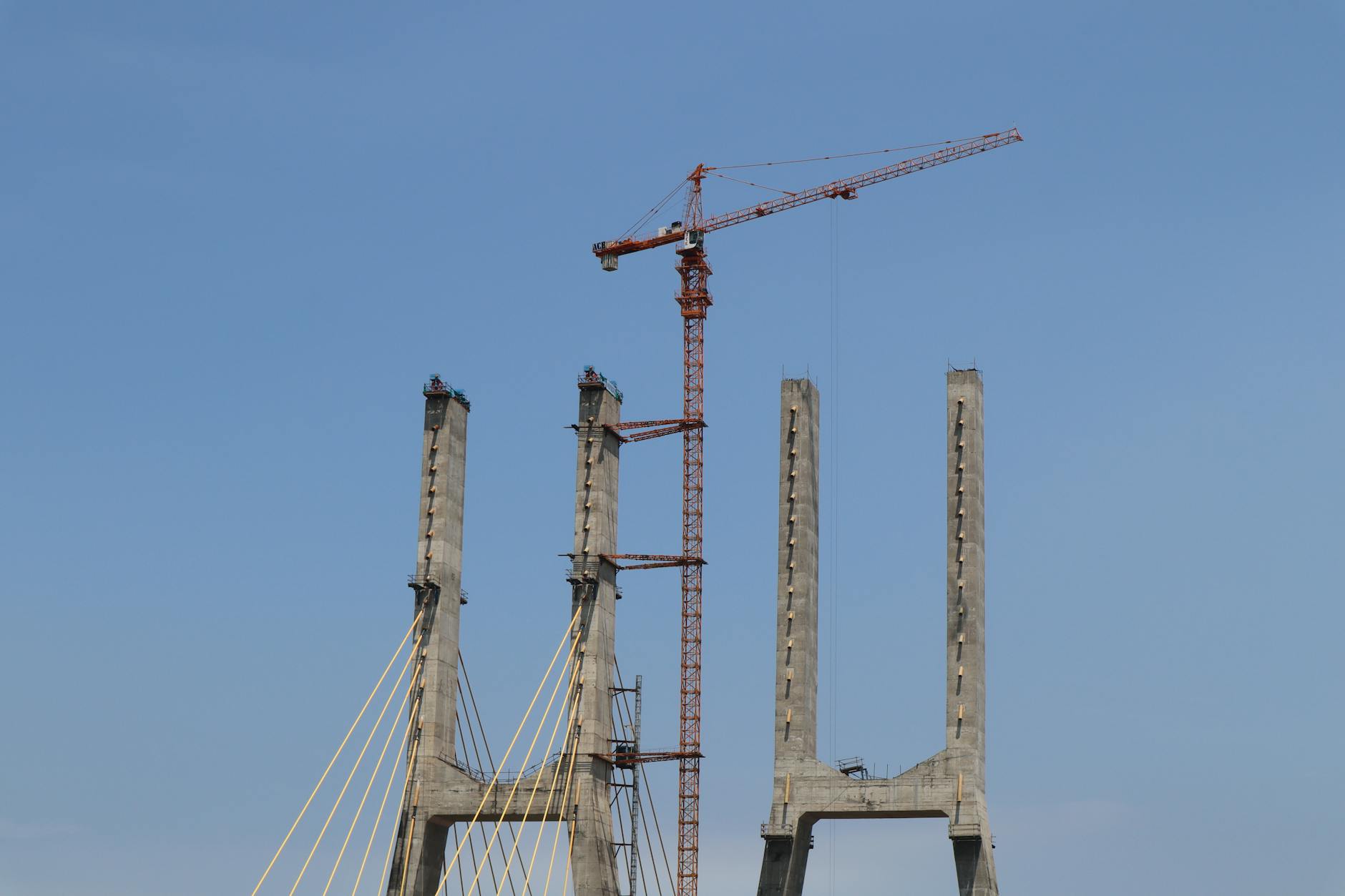
The Infrastructure Debt Advantage
Infrastructure debt funds provide financing for critical infrastructure projects through senior loans, typically secured by stable, predictable cash flows. Unlike corporate bonds, these investments benefit from essential service monopolies and regulated revenue streams that offer natural inflation protection. Toll roads generate income tied to traffic volume and periodic rate adjustments, while utilities operate under regulatory frameworks that ensure cost recovery and reasonable returns.
The current interest rate environment has made infrastructure debt particularly attractive. Many funds now offer returns ranging from 8% to 12% annually, significantly higher than traditional investment-grade corporate bonds. These yields reflect both the higher base rates and the credit spreads associated with project financing, creating a compelling alternative to traditional fixed-income allocations.
Creditworthiness varies across infrastructure sectors, but the asset class generally maintains strong fundamentals. Transportation infrastructure benefits from government backing or essential service characteristics, while renewable energy projects often feature long-term power purchase agreements with investment-grade utilities. Water and wastewater facilities represent essential services with stable demand patterns, creating predictable cash flows for debt investors.
Portfolio Diversification Benefits
Wealthy investors increasingly recognize infrastructure debt as a portfolio diversifier that behaves differently from traditional asset classes. The performance of infrastructure debt funds shows low correlation with equity markets and traditional bonds, providing stability during periods of market volatility. This characteristic proved valuable during the 2022 bear market, when infrastructure debt funds generally outperformed both stocks and government bonds.
The long-term nature of infrastructure investments also appeals to investors focused on liability matching and cash flow predictability. Many infrastructure debt instruments carry terms of 10 to 30 years, providing steady income streams that align with retirement planning objectives. Family offices managing generational wealth find these characteristics particularly attractive for their ability to provide consistent distributions across market cycles.

Geographic and sector diversification within infrastructure debt funds further enhances risk management. Modern infrastructure debt portfolios might include European renewable energy projects, North American transportation assets, and emerging market utilities, spreading risk across different regulatory environments and economic conditions. This diversification helps reduce concentration risk while maintaining exposure to global infrastructure development trends.
Some wealthy investors are also moving assets from traditional emergency funds into more sophisticated cash management strategies, as explored in recent analysis of high earners’ money market account usage, though infrastructure debt serves a different role as a longer-term income investment.
Access Challenges and Solutions
Direct investment in infrastructure debt traditionally required institutional-scale commitments, often starting at $10 million or more. This barrier limited access to pension funds, insurance companies, and sovereign wealth funds. However, the wealth management industry has developed new structures to accommodate smaller investors while maintaining the benefits of large-scale infrastructure investing.
Private wealth platforms now offer infrastructure debt fund shares with minimum investments ranging from $250,000 to $1 million, making these strategies accessible to accredited investors. Some platforms provide quarterly liquidity options, addressing concerns about the traditionally illiquid nature of infrastructure investments. These developments have democratized access to an asset class previously reserved for the largest institutional investors.
Fund managers have also created hybrid structures combining infrastructure debt with other alternative investments, allowing investors to access diversified alternative portfolios through single vehicle investments. These multi-strategy approaches appeal to investors seeking alternatives exposure without the complexity of managing multiple specialized fund relationships.
Risk Considerations and Due Diligence
Despite attractive yields and diversification benefits, infrastructure debt carries specific risks that require careful evaluation. Construction risk affects greenfield projects, where delays or cost overruns can impact debt service coverage. Regulatory risk exists across all infrastructure sectors, as government policy changes can affect project economics and cash flows.
Currency risk affects international infrastructure investments, though many funds hedge foreign exchange exposure to reduce volatility. Climate risk increasingly influences infrastructure investment decisions, as extreme weather events can impact asset operations and long-term viability. Smart investors evaluate fund managers’ climate risk assessment capabilities and adaptation strategies.
Credit analysis remains essential, as infrastructure debt quality varies significantly across projects, sponsors, and markets. Strong fund managers maintain rigorous underwriting standards and active asset management capabilities to protect investor capital. Due diligence should focus on the management team’s track record, portfolio construction methodology, and risk management frameworks.

Future Outlook for Infrastructure Investment
The global infrastructure investment opportunity continues expanding as governments prioritize modernization and climate transition. The Infrastructure Investment and Jobs Act in the United States represents just one example of substantial public commitment to infrastructure development. Similar initiatives across Europe and Asia are creating pipeline opportunities for infrastructure debt investors.
Energy transition infrastructure represents a particularly compelling growth area, as utilities and governments invest in renewable energy, grid modernization, and energy storage. These projects often feature strong government support and long-term contracted revenues, creating attractive debt investment opportunities. Transportation electrification and smart city development provide additional growth vectors for infrastructure debt strategies.
Wealthy investors positioning for this infrastructure investment cycle are likely to benefit from both current income and long-term appreciation potential. The combination of higher interest rates, government infrastructure spending, and private capital formation creates a favorable environment for infrastructure debt returns. As traditional fixed-income yields remain uncertain and equity market volatility persists, infrastructure debt funds offer a compelling alternative for sophisticated investors seeking stable, inflation-protected income streams.
Frequently Asked Questions
What returns do infrastructure debt funds typically offer?
Infrastructure debt funds currently offer returns ranging from 8% to 12% annually, reflecting higher base rates and project financing spreads.
What are the main risks of investing in infrastructure debt?
Key risks include construction delays, regulatory changes, currency exposure, and climate-related impacts on infrastructure assets.