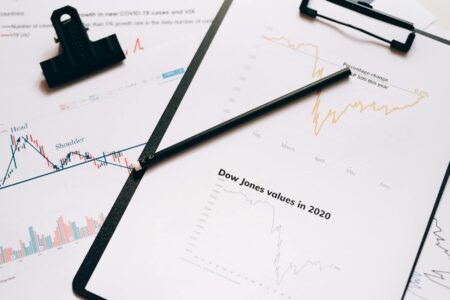



Wealthy investors are quietly shifting billions into an asset class most people ignore: commodity-backed exchange-traded funds. While retail investors chase tech stocks and crypto, sophisticated money managers are loading up on funds tied to gold, oil, agricultural products, and industrial metals. The reason has nothing to do with speculation and everything to do with portfolio survival.
The shift represents a fundamental change in how high-net-worth individuals think about wealth preservation. Traditional 60-40 portfolios of stocks and bonds no longer provide the diversification they once did, especially when both asset classes can crater simultaneously during inflationary periods. Commodities, by contrast, often surge when stocks and bonds stumble.
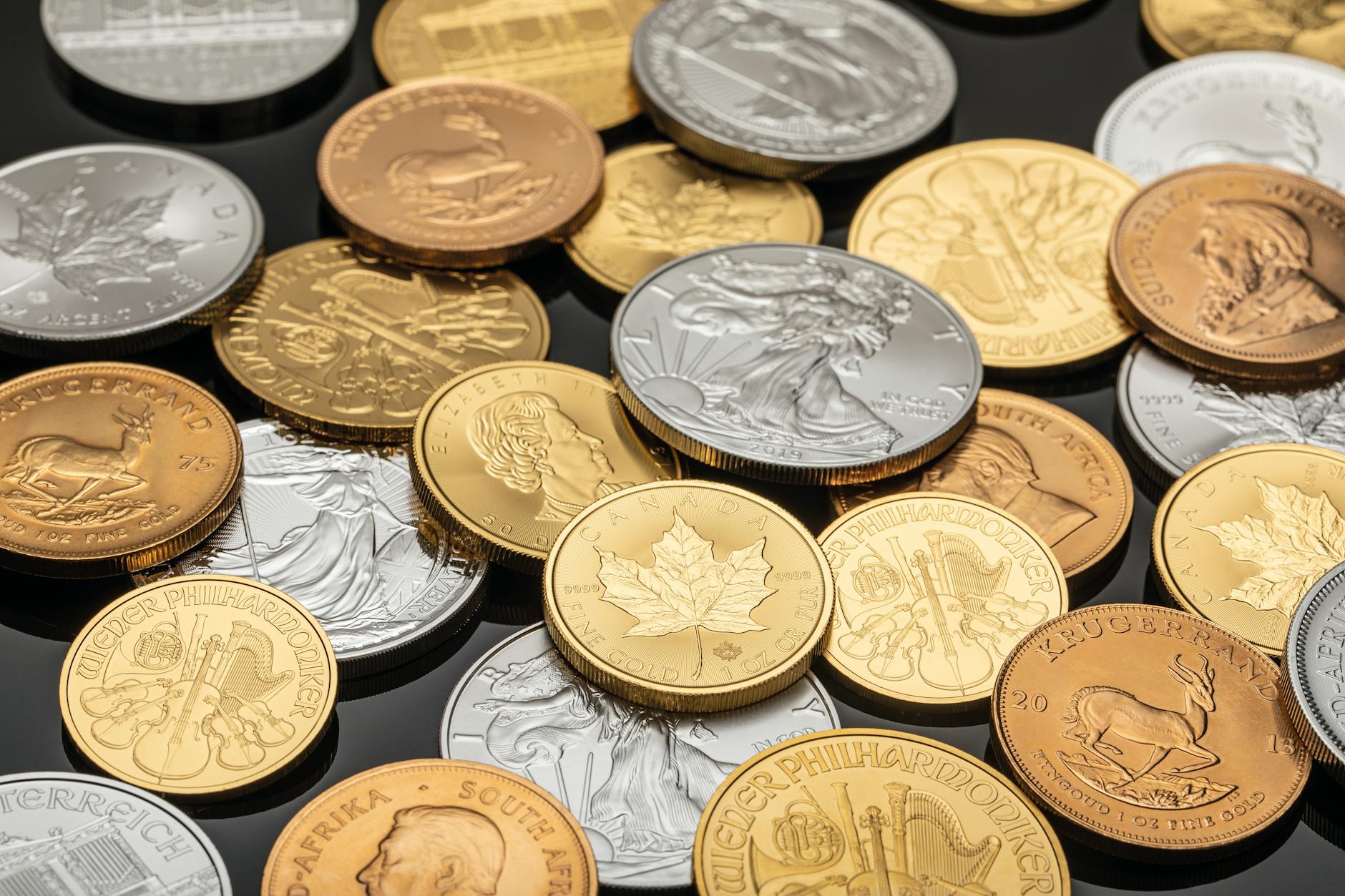
The Inflation Hedge That Actually Works
Unlike stocks or bonds, commodities have an intrinsic relationship with inflation. When the cost of living rises, the raw materials that drive the global economy typically rise with it. This makes commodity-backed ETFs particularly attractive during periods of monetary uncertainty.
Consider the performance during recent inflationary spikes. While the S&P 500 struggled in 2022, funds like the SPDR Gold Shares ETF and the Invesco DB Commodity Index Tracking Fund provided crucial portfolio ballast. The correlation isn’t perfect, but it’s consistent enough that institutional investors have taken notice.
Wealthy investors aren’t just buying any commodity exposure, though. They’re gravitating toward funds with specific characteristics: physical backing rather than futures contracts, broad diversification across multiple commodity sectors, and low expense ratios that don’t erode returns over time. Popular choices include funds focused on precious metals, energy infrastructure, and agricultural products.
The appeal extends beyond simple inflation protection. Commodities offer geographical diversification in a way that traditional assets cannot. A gold mine in South Africa, wheat fields in Kansas, and oil reserves in Texas represent physical assets that exist regardless of currency fluctuations or geopolitical tensions. This tangible quality appeals to investors who lived through multiple financial crises.
Geopolitical Risk and Supply Chain Vulnerabilities
Recent global events have highlighted just how fragile international supply chains can be. The pandemic, the Russia-Ukraine conflict, and ongoing trade tensions have all contributed to commodity price volatility that savvy investors are now positioning to capture rather than avoid.
Energy commodities represent a particularly compelling case study. While ESG concerns have pushed many institutional investors away from oil and gas stocks, energy commodity ETFs offer exposure to price movements without direct investment in controversial companies. This allows investors to benefit from energy transitions while maintaining exposure to essential resources.

Agricultural commodities tell a similar story. Climate change, population growth, and evolving dietary preferences globally are creating long-term structural demand for food production. Commodity-backed ETFs focused on agricultural products allow investors to participate in these mega-trends without the operational complexity of farmland investment or agricultural REITs.
Industrial metals present yet another angle. The global transition to renewable energy requires massive quantities of copper, lithium, rare earth elements, and other materials. Wealthy investors are positioning themselves to benefit from this multi-decade infrastructure buildout through carefully selected commodity ETFs.
The key insight driving these investments isn’t market timing but rather structural positioning. These investors aren’t trying to predict short-term commodity price movements. Instead, they’re acknowledging that certain physical resources will remain essential regardless of technological or economic changes.
Portfolio Construction Beyond Traditional Assets
Modern portfolio theory suggests that diversification across uncorrelated assets reduces overall portfolio risk without sacrificing returns. Commodity-backed ETFs provide this diversification benefit in ways that traditional assets increasingly cannot.
The correlation between stocks and bonds has been rising over the past decade, meaning they tend to move in the same direction more often than historically typical. This reduces the diversification benefit of the classic 60-40 portfolio allocation. Commodities, however, maintain relatively low correlations with both stocks and bonds over long time periods.
Wealthy investors are also using commodity ETFs as a hedge against currency debasement. Unlike financial assets that represent claims on future cash flows, commodities have intrinsic value that doesn’t depend on any government’s monetary policy. This quality becomes particularly valuable during periods of aggressive fiscal and monetary stimulus.
The tactical allocation to commodity-backed ETFs varies, but many sophisticated investors are dedicating 5-15% of their portfolios to this asset class. This allocation is typically drawn from both stock and bond positions, creating a more balanced three-asset approach to portfolio construction.
Some investors are taking an even more targeted approach, using commodity ETFs to express specific views about global economic trends. For example, investors bullish on infrastructure spending might overweight industrial metals, while those concerned about food security might emphasize agricultural commodities.
Implementation Strategies and Tax Considerations
The mechanics of commodity ETF investing matter significantly for wealthy investors, particularly around tax efficiency and estate planning considerations. Many commodity ETFs are structured as grantor trusts, which can have different tax implications than traditional equity ETFs.
Physically-backed commodity ETFs, such as those holding actual gold or silver, often receive different tax treatment than futures-based funds. The IRS treats gains on precious metals ETFs as collectibles, subject to a maximum 28% tax rate rather than the more favorable long-term capital gains rates that apply to stocks.
However, sophisticated investors are finding ways to optimize these tax considerations through strategic account placement and timing. Holding commodity ETFs in tax-deferred accounts like IRAs can eliminate the immediate tax drag, while using them in taxable accounts for shorter-term tactical allocations can provide flexibility.
Some wealthy investors are also incorporating commodity ETFs into broader multi-generational tax planning strategies, using these assets as part of estate planning vehicles or charitable giving programs.
The operational aspects matter too. Unlike individual commodity futures contracts, ETFs provide instant liquidity and professional management without the complexity of rolling contracts or managing storage costs. This accessibility has democratized commodity investing for high-net-worth individuals who previously would have needed institutional-level infrastructure to gain meaningful exposure.
Looking Ahead: A Permanent Portfolio Shift
The movement of wealthy investors into commodity-backed ETFs represents more than a temporary trend. It reflects a fundamental reassessment of portfolio risk in an era of heightened uncertainty across multiple dimensions: monetary policy, geopolitics, climate change, and technological disruption.
Unlike previous commodity booms driven by speculation or tactical positioning, this current shift appears more structural. Investors are building permanent allocations to physical assets that will remain relevant regardless of which specific technologies or political systems dominate in the coming decades.
The implications extend beyond individual portfolio construction. As more institutional capital flows into commodity-backed ETFs, it could influence commodity price dynamics and potentially create new feedback loops between financial markets and physical commodity markets. This evolution will likely continue as traditional portfolio strategies prove inadequate for navigating an increasingly complex global economy.
Frequently Asked Questions
What are commodity-backed ETFs?
These are exchange-traded funds that hold physical commodities or commodity futures, providing exposure to gold, oil, agricultural products, and industrial metals.
Why do wealthy investors prefer commodity ETFs over individual commodities?
ETFs offer instant liquidity, professional management, and diversification without the complexity of storage costs or rolling futures contracts.