


Fuel Shortages Spread Across Russia
Gas station lines in Russia have grown longer and the mood shorter. After months of Ukrainian drone and missile strikes targeting oil refineries deep inside Russian territory, fuel supplies have tightened in ways that ordinary Russians now feel every time they pull up to a pump – or find one closed entirely.
The shortage is not a localized inconvenience. It stretches across a country that spans eleven time zones, and the frustration building at forecourts from Moscow’s suburbs to regional cities reflects how effectively Ukraine has redirected the war’s economic pain toward the Russian home front.

What the Attacks Have Done to Supply Chains
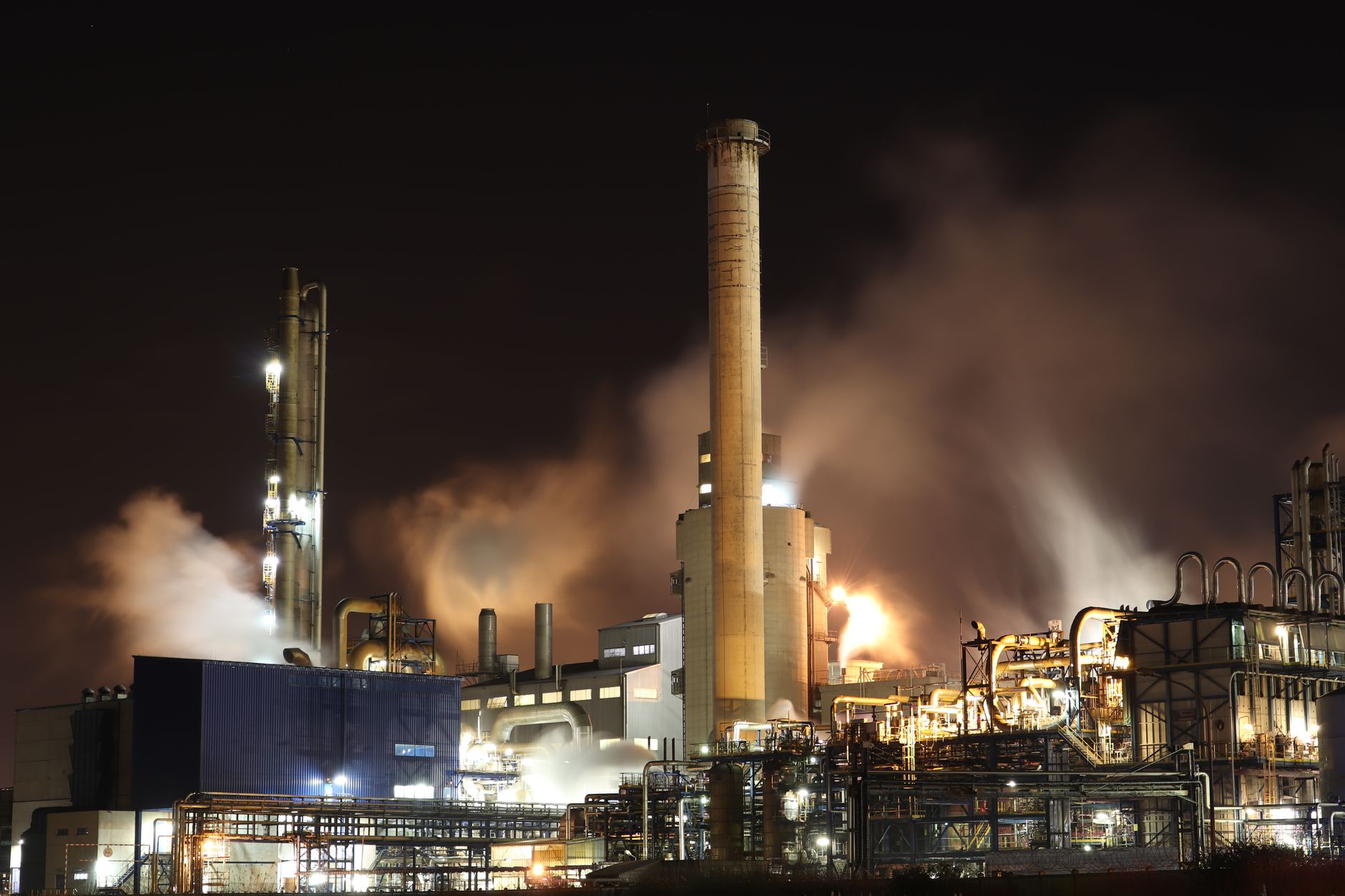
Ukraine’s campaign against Russian refining infrastructure has run for several months, with strikes setting multiple facilities ablaze. Refineries are not easily replaced or repaired – they require specialized equipment, skilled labor, and time, none of which Russia currently has in abundance given the sanctions environment limiting access to Western industrial components. When a refinery goes offline, the downstream effect moves fast: less processed fuel reaching distribution networks, less arriving at storage depots, and eventually less sitting in the tanks beneath the forecourt.
Russia produces enormous volumes of crude oil, but crude in the ground does not fill a car. The bottleneck is refining capacity – the industrial middle step that converts raw petroleum into gasoline and diesel. By targeting that specific link in the chain, Ukraine has managed to apply pressure without needing to interrupt extraction or export flows, which would face different and harder obstacles. The result is a country swimming in oil it cannot quickly turn into the fuel its own population needs.
For Russian motorists, this translates into queues, rationing at some stations, and a creeping uncertainty about whether the pump will be dry on any given morning. Frustration is the word appearing in reports from inside Russia, and it is the kind of frustration that accumulates – not a single bad day but a recurring reminder, week after week, that something in the system is broken.
The Economic Weight of a Domestic Fuel Crisis
A fuel shortage inside Russia carries economic consequences that go well beyond inconvenience for drivers. Agriculture, freight, construction, and virtually every other physical sector of the Russian economy runs on diesel. Farmers waiting on fuel during planting or harvest windows face losses that cannot be recovered. Trucking delays push up the cost of moving goods across a country where rail cannot absorb everything and road freight is essential.
Inflation in consumer goods tends to follow supply chain friction, and Russia’s economy is already navigating elevated inflation driven partly by wartime spending. A domestic fuel squeeze adds another upward layer to prices that Russian households are already watching closely. The government faces a difficult position: it needs refineries repaired quickly, but doing so requires resources and components that sanctions have made harder to source.
A Strategy Targeting Economic Endurance
Ukraine’s targeting of refineries signals a deliberate shift in strategic emphasis – focusing on infrastructure that weakens Russia’s ability to sustain the war economically rather than striking purely at front-line military assets. The approach appears designed to impose costs that compound over time rather than deliver a single dramatic blow.
It is also a strategy with a relatively low ceiling of countermeasures available to Russia. Air defenses can be improved, but Russia’s refining infrastructure is spread across a vast geography, and protecting every facility comprehensively is not realistic. Each successful strike forces Russia to choose between diverting military resources to static defense of industrial sites or accepting continued attrition of domestic supply.
For the Russian government, the political dimension of a domestic fuel crisis matters as much as the logistics. Wars generate internal pressure when their costs land visibly on civilian life, and lines at gas stations are visible. They are photographed, discussed, and remembered. Managing public perception of scarcity while simultaneously running a major military operation requires the kind of institutional dexterity that governments under sustained external pressure rarely maintain cleanly.
Whether refineries can be repaired at a pace that outstrips Ukraine’s ability to strike them again is the question now hanging over the Russian fuel supply. Repair crews working on damaged facilities are not working in a stable environment – they are working on sites that have already been hit once and may be targeted again before the work is done.

At the gas station, none of that complexity is visible. What is visible is the line, and whether it moves.