



A Pullback That One Firm Thinks the Market Is Reading Wrong
Alphabet’s stock has been under pressure, but Morgan Stanley is pushing back on the pessimism. The investment bank argues that the market is missing something specific – and potentially significant – buried inside Alphabet’s infrastructure plans: the company’s custom-chip business, which Morgan Stanley believes investors are systematically undervaluing.
The bank’s position is straightforward. As Alphabet moves to expand its data-center capacity heading into 2028, the silicon it designs in-house becomes a more important part of the financial story. That shift hasn’t registered with the broader market yet, according to Morgan Stanley, which is framing the current stock weakness as a tactical buying opportunity.

Why Custom Chips Matter More as Data Centers Scale
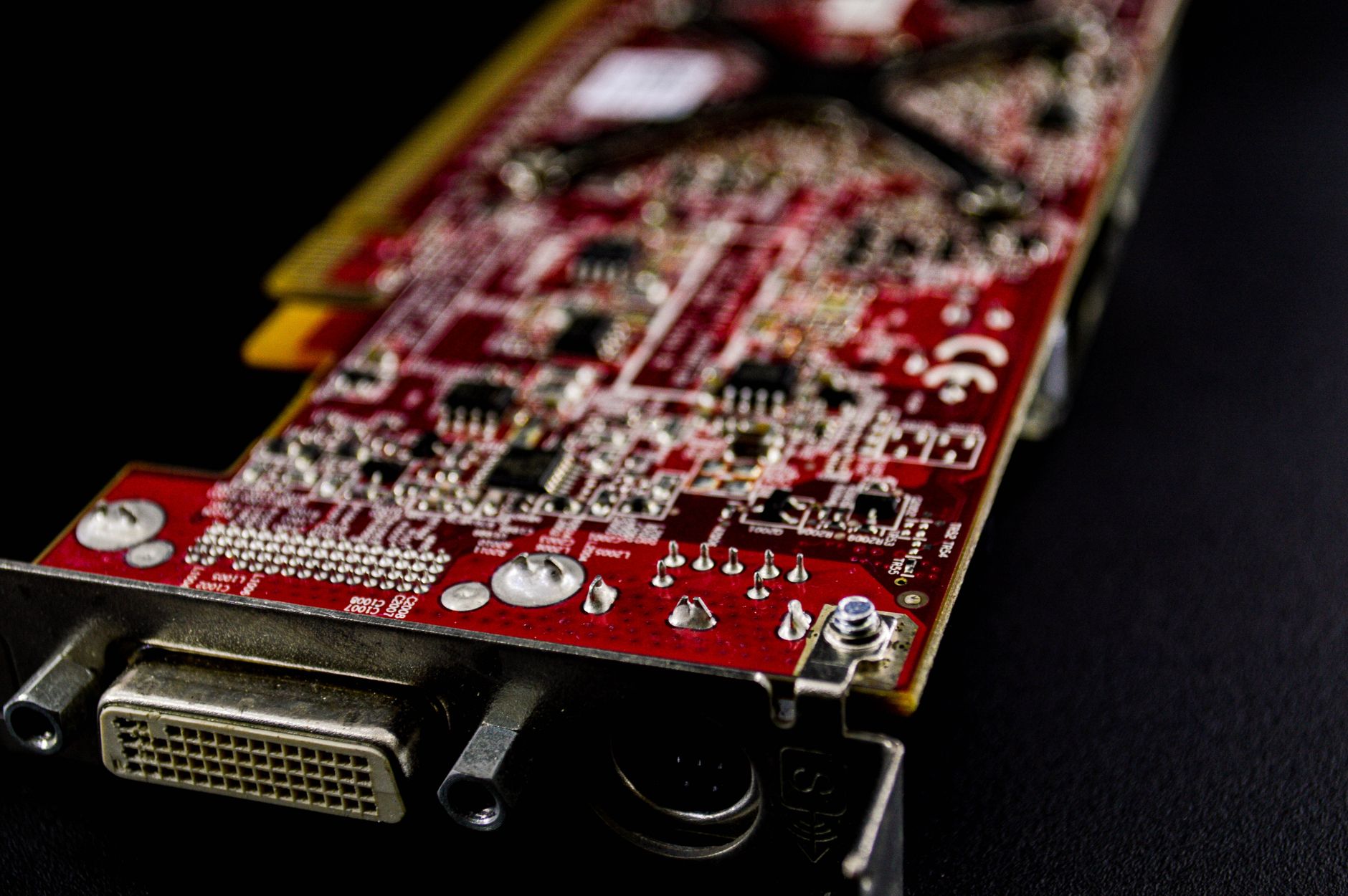
Alphabet has been developing its own chips – Tensor Processing Units, or TPUs – for years, primarily to handle the intense computational demands of AI workloads and search ranking. What’s changing now is the scale of deployment. As Alphabet commits to expanding data-center infrastructure through 2028, the volume of custom silicon running those facilities becomes a direct cost and margin variable, not just a technical footnote.
The logic Morgan Stanley is applying is that companies relying on third-party chips – primarily Nvidia’s GPUs – pay a significant premium for that hardware. Alphabet, by contrast, can offset some of that cost by designing chips calibrated to its own workloads. That’s not a savings that shows up cleanly in any single earnings line, but over time, at data-center scale, it compounds into a structural cost advantage that has real implications for operating margins.

This is the part of Alphabet’s business that Morgan Stanley says the market is currently skipping over. Investors focused on advertising revenue cycles, YouTube’s performance quarter to quarter, or the competitive pressure Google Search faces from AI-native alternatives may not be spending much time modeling what proprietary chip deployment does to infrastructure costs over a multi-year buildout. Morgan Stanley is betting that gap in attention is creating a pricing inefficiency.
It’s also worth noting what this argument is not saying. Morgan Stanley isn’t making a claim about Alphabet competing with Nvidia as a chip seller or entering the semiconductor market as a vendor. The thesis is narrower – that Alphabet’s captive use of its own chips reduces dependency on expensive external supply and gives the company more control over its cost structure as AI infrastructure spending accelerates across the industry.
The 2028 Timeline and What It Signals
The reference to 2028 is not accidental. It places Alphabet’s data-center expansion in the context of a long capital commitment cycle, the kind that typically requires years of construction, hardware procurement, and power infrastructure development before it generates meaningful returns. Companies making those commitments now are effectively locking in their infrastructure architecture – and the chip choices embedded in that architecture – for years.
For Alphabet, a plan extending toward 2028 means its custom-chip strategy isn’t a near-term experiment. It’s being baked into the physical infrastructure of the company’s AI and cloud operations at a moment when the industry is still figuring out what hardware model makes the most sense economically.
What the Stock Drop Actually Reflects
Alphabet’s recent stock weakness has coincided with broader anxiety about Big Tech valuations, AI spending levels, and the pace of monetization on AI products. Those concerns are real and haven’t disappeared. Morgan Stanley’s framing of the decline as a buying opportunity doesn’t dismiss those pressures – it’s arguing that the selloff has moved the stock to a level where a specific, underappreciated asset isn’t being priced in at all.
That’s a different kind of call than a simple contrarian bet. It’s a sector-specific argument that ties the investment case to Alphabet’s capital expenditure plans and what those plans imply about margins over a horizon that most quarterly-focused investors aren’t modeling carefully. Whether the market comes around to that view depends partly on whether Alphabet’s next several earnings reports start to surface the chip-related cost dynamics Morgan Stanley is pointing to.
Alphabet is not alone in making this kind of internal chip bet – Amazon has Trainium and Inferentia, Meta has its MTIA chips, and Microsoft is developing silicon for specific Azure workloads. But none of those situations changes the underlying question hanging over Alphabet’s stock right now: at what point does the market start assigning value to infrastructure decisions that won’t fully materialize until 2028, and is Morgan Stanley early, or simply ahead of a realization that’s already overdue?