



A Split Opening Takes Shape on Wall Street
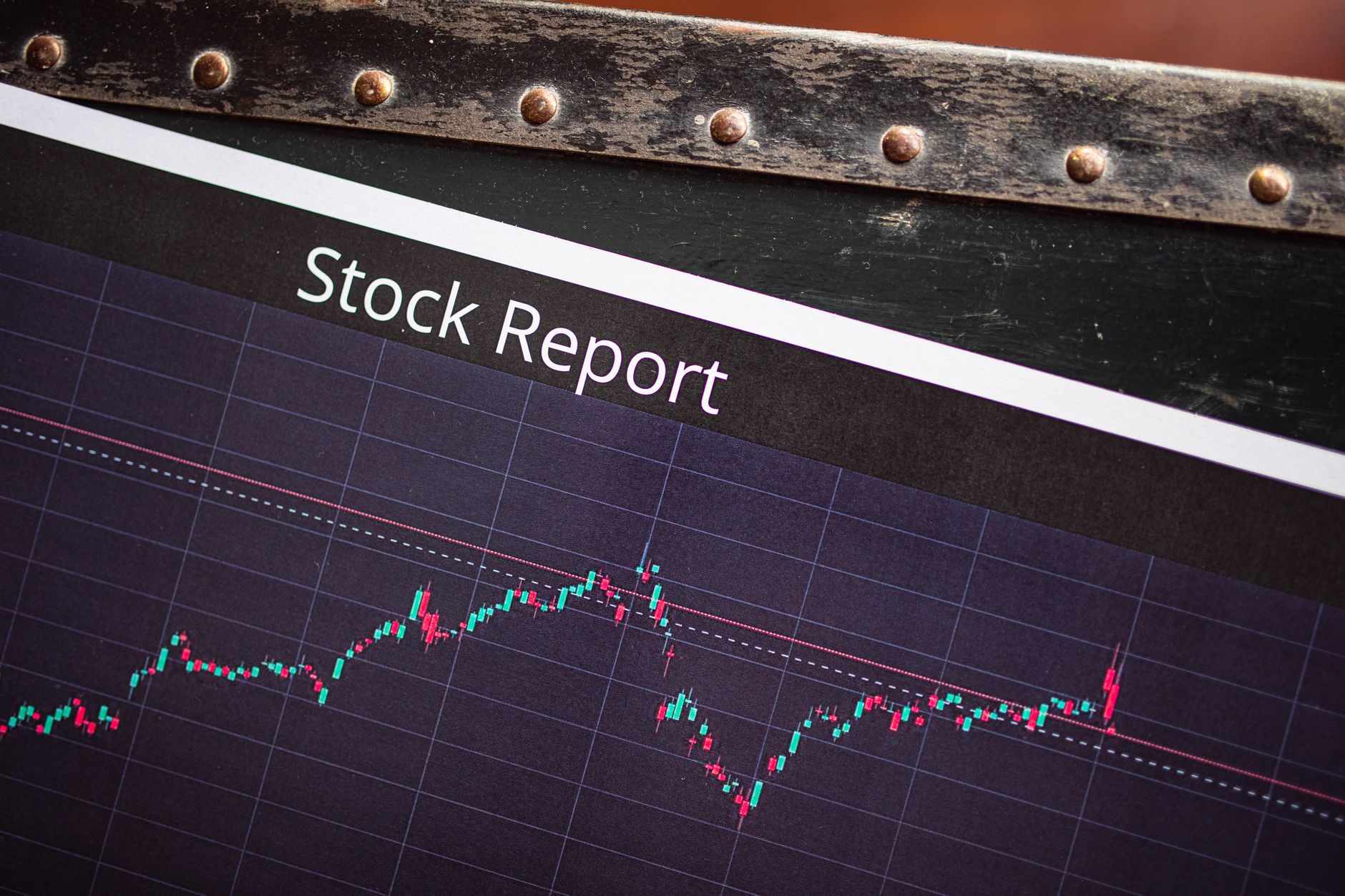
Tuesday’s pre-market session is shaping up as a divided one, with stock futures pointing to a mixed open after major indexes managed broad gains to start the week. The Dow Jones Industrial Average is positioned to extend what are already fresh record highs, while semiconductor stocks are pulling Nasdaq 100 futures into negative territory and complicating what might otherwise be a straightforward follow-through session.
The divergence between the Dow and the tech-heavy Nasdaq 100 captures something real about where investor confidence is – and where it isn’t – right now. Blue-chip industrials and financials that anchor the Dow are holding steady, but the chip sector, which spent much of the past two years driving index-level gains, is encountering pressure that futures traders aren’t willing to look past.

Dow’s Record Run Gets Another Shot
The Dow’s position heading into Tuesday’s open is notable because Monday’s session wasn’t a fluke. Major indexes started the week with genuine gains, not just a relief bounce, which gives the Dow’s current trajectory some credibility. Adding to record highs on consecutive sessions, if Tuesday’s futures hold, would signal that buyers are willing to commit capital rather than simply hold positions inherited from last week.
Record closes carry psychological weight in markets regardless of whether the underlying fundamentals have shifted. Institutional traders, index funds that rebalance against benchmarks, and retail investors watching their 401(k) balances all respond differently when an index is printing new highs versus consolidating below a prior peak. The Dow printing back-to-back records, should Tuesday’s open follow through, puts the index in a category that tends to attract attention and, often, additional inflows – at least in the short term. Whether that dynamic holds depends heavily on what chip stocks do once trading begins in earnest.
Semiconductor Pressure Hits Nasdaq Futures
Chip stocks are the specific drag on Nasdaq 100 futures Tuesday morning, and the distinction matters. The Nasdaq 100 is not the broader Nasdaq Composite – it tracks the 100 largest non-financial companies listed on the Nasdaq exchange, and semiconductors carry outsized weight within it. When chip names move sharply in pre-market, the index feels it more acutely than a diversified benchmark would.
The semiconductor sector has been among the most volatile corners of the market over the past several years, swinging on everything from AI demand projections and supply chain shifts to export controls and earnings guidance from a handful of dominant players. A single bad session in chip stocks doesn’t necessarily indicate a structural reversal, but futures selling ahead of the open suggests traders are pricing in some caution before committing to the sector at current levels.
That caution has a broader market consequence. When chip stocks weigh on the Nasdaq 100, growth-oriented portfolios feel the drag immediately. Investors who have concentrated in technology names – particularly those who rode the AI-related semiconductor surge – face a different Tuesday morning than those whose exposure skews toward Dow components like industrials, healthcare, and financials. It’s a reminder that the “market is up” headline doesn’t land the same way for every investor.
For anyone tracking the health of the current bull market, the chip sector’s behavior is worth watching closely. Margin debt levels and Federal Reserve uncertainty are already adding background noise to what is otherwise a functioning rally – and semiconductor weakness layered on top of those conditions gives traders one more variable to manage before year-end.
What a Mixed Open Actually Signals
A mixed futures picture – Dow pointing up, Nasdaq 100 pointing down – is not unusual, but it tends to sharpen the question of which story the market will tell by the closing bell. Pre-market futures are not a guarantee of direction; they shift as economic data hits, as overseas markets close, and as institutional desks adjust positions in the final hour before the open. Tuesday’s setup could resolve cleanly in either direction once regular trading begins.
Still, the fact that the Dow is pushing toward records while chip stocks simultaneously sink reflects a market that is not moving in lockstep. Sector rotation – money moving out of high-growth technology names and into more established, value-oriented companies – has been a recurring theme in 2025, and Tuesday’s futures configuration fits that pattern. Whether rotation is happening in an orderly way or whether chip selling is something more abrupt will become clearer as volume picks up through the morning session.
The Setup Heading Into the Trading Day
Traders entering Tuesday’s session are working with a specific set of conditions: a Dow that has momentum and record-level support, a Nasdaq 100 that faces headwinds from its heaviest sector, and a broader market that started the week on solid footing. Those conditions don’t point cleanly in one direction, which is exactly what makes the open worth watching rather than assuming.
The session’s outcome will likely hinge on whether chip stocks stabilize once institutional buyers get a look at valuations in regular trading, or whether the selling pressure that showed up in futures carries through with enough force to drag the Nasdaq lower despite gains elsewhere. The Dow hitting another record while the Nasdaq 100 falls would be a genuinely split tape – the kind of session that generates conflicting headlines and leaves investors unsure which number to believe.
If chip stocks find a floor by midday, the afternoon could look entirely different from the open. If they don’t, the Dow’s record will share tomorrow’s headlines with a semiconductor sector that just reminded everyone it can still move the wrong way fast.