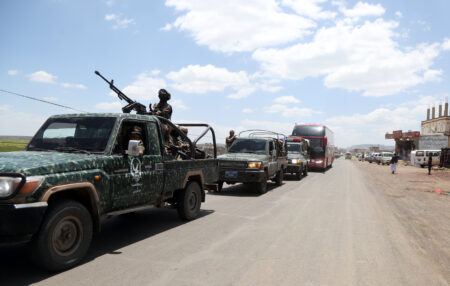



Global oil markets have managed to absorb more than a billion barrels of lost supply since the Iran war began – a loss that, by any historical measure, should have sent prices into a sustained spiral. So far, it hasn’t. But the buffer that made that possible is now largely exhausted, and the conditions for a serious price shock are quietly falling into place.

A Supply Hole the Market Filled – Once
The scale of the disruption tied to the Iran war is not something markets handle routinely. Losing over a billion barrels of supply is the kind of figure that tends to appear in worst-case scenario planning documents, not quarterly earnings calls. Yet the global oil system absorbed it, drawing down strategic reserves, redirecting flows, and leaning on producers who had room to pump more.
That response worked. Prices did not spiral out of control. Economies kept running. The feared cascade – supply shock feeding into inflation feeding into recession – did not materialize in the way many analysts had feared when the conflict began. For a period, the system proved more resilient than expected.
What that resilience obscured, though, is what it cost. Every barrel pulled from a strategic reserve to steady the market in 2024 or 2025 is a barrel that cannot perform that function again until stocks are rebuilt. Every producer that ramped output to cover Iranian losses is now operating with less spare capacity than before. The slack that made the first billion-barrel loss manageable has been spent.
Long-term peace between the warring parties remains elusive. That is not a diplomatic observation – it is a supply-chain variable. As long as Iranian oil output remains constrained by conflict, the global market is running a structural deficit against where it would otherwise be, and doing so with thinner reserves than at any point since the disruption began.
What Depleted Stocks Actually Mean for Prices
Strategic petroleum reserves exist precisely for moments like this – to act as a pressure valve when physical supply falls short of demand. They give governments time to negotiate, producers time to ramp, and markets time to adjust without prices spiking hard enough to damage broader economic activity. When those reserves are full, a supply disruption is an emergency with a safety net. When they are depleted, the same disruption becomes a direct price event with nothing absorbing the shock.
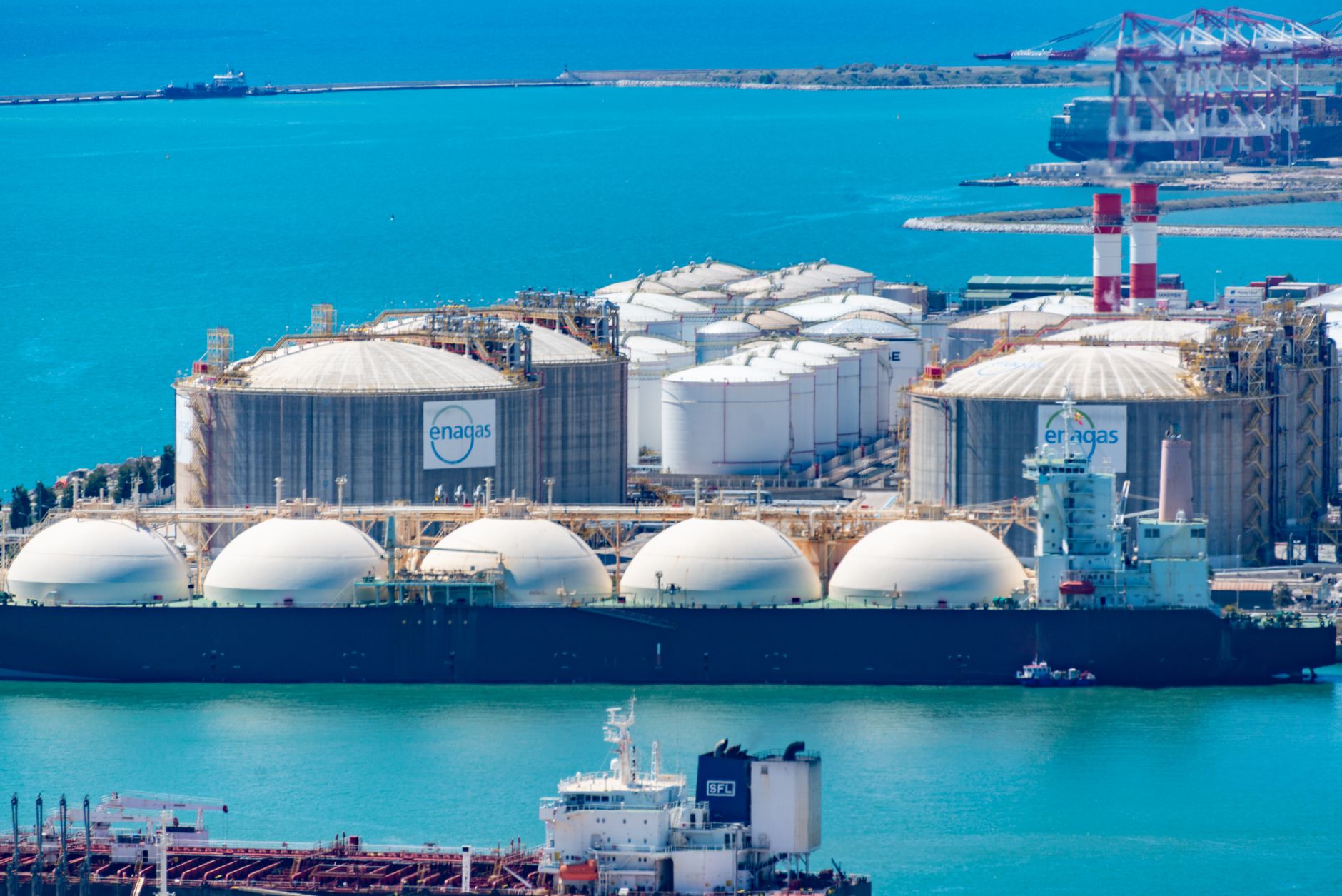
That is the condition markets are now approaching. The reserves that were drawn down to cover Iranian losses are not automatically replenished. Rebuilding them requires buying oil – at market prices, in competition with ordinary commercial demand – and that process takes time even when governments prioritize it. If another disruption hits before stocks recover, there is no equivalent cushion available to deploy.
The risk is not that prices will necessarily spike tomorrow. It is that the conditions which prevented a spike during the first phase of this disruption no longer exist in the same form. Markets absorbed a billion-barrel loss because they had the reserves and the spare capacity to do it. Both of those shock absorbers are now diminished. A second major disruption – whether from an escalation of the Iran conflict, a separate geopolitical event, or even an unexpected demand surge – would land on a market that is structurally less equipped to handle it than it was when this began.
Oil prices respond to expectations as much as to physical barrels. Traders who understand that buffer stocks are low and spare capacity is constrained will price in a higher risk premium even before any new disruption materializes. That means the market’s vulnerability is not purely hypothetical – it already has the potential to influence prices through the anticipation of tighter conditions, independent of whether anything else goes wrong.
There is also the question of what sustained lower reserves do to the political calculus around production decisions. Major producers who might otherwise moderate output to stabilize prices have their own fiscal pressures. If reserve depletion signals to markets that the West has limited capacity to cushion future shocks, that changes the leverage dynamic in ways that are difficult to model in advance but easy to feel once prices start moving.
Where the Vulnerability Sits Now
The world is not in a crisis at this moment. That is the accurate, and in some ways misleading, headline. What exists instead is a market that used its emergency capacity to navigate one historic disruption and now has materially less of that capacity available for whatever comes next. The Iran war produced the supply loss. The response to that loss produced the vulnerability.
With no durable peace in sight and buffer reserves drained to levels that limit their usefulness as a near-term policy tool, the next disruption – wherever it originates – will test a market that is running with far less margin than it had when this crisis began. The question is not whether oil markets can absorb another shock. It is how much one would cost, and who would pay it.