


A New Category of Membership Takes Shape
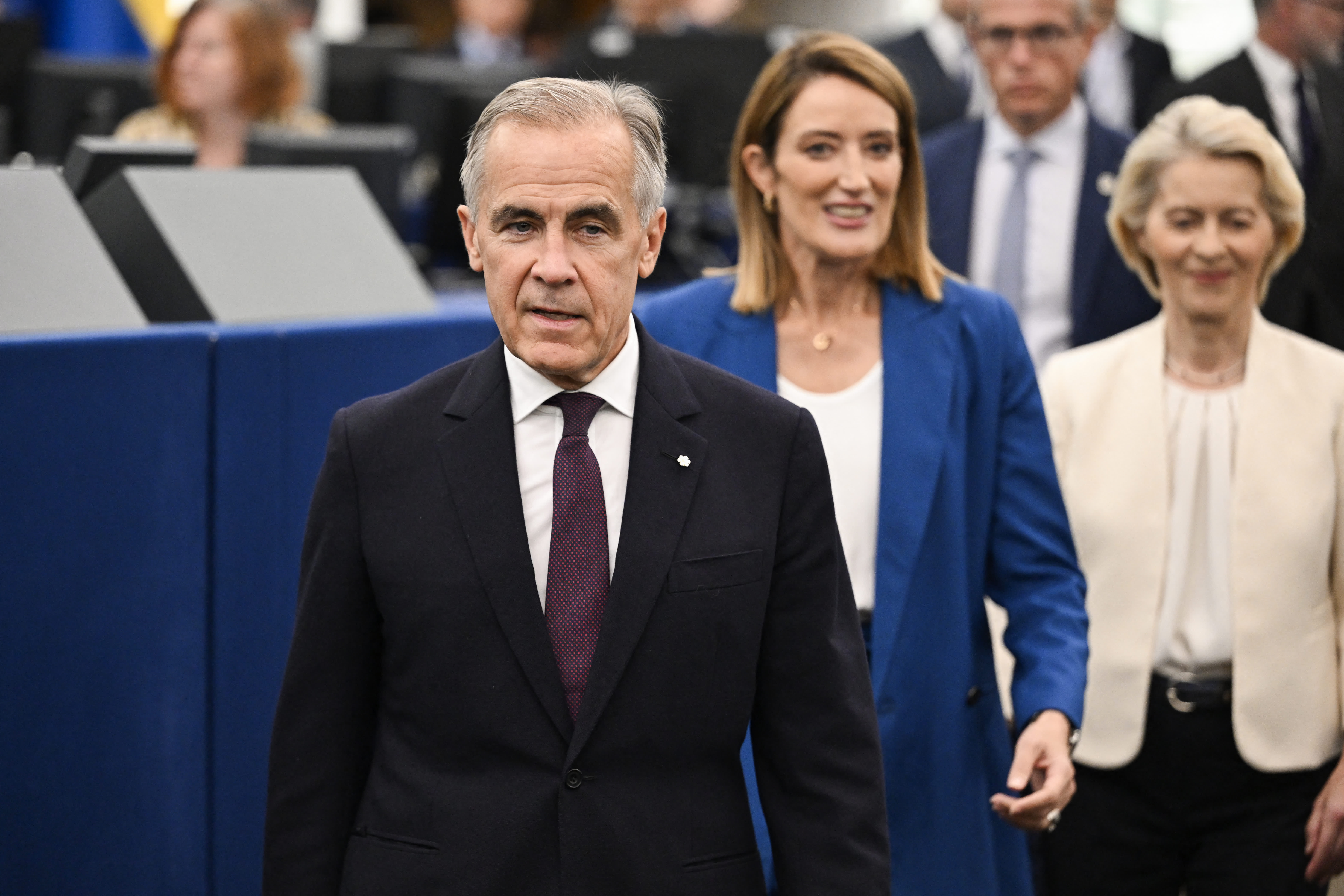
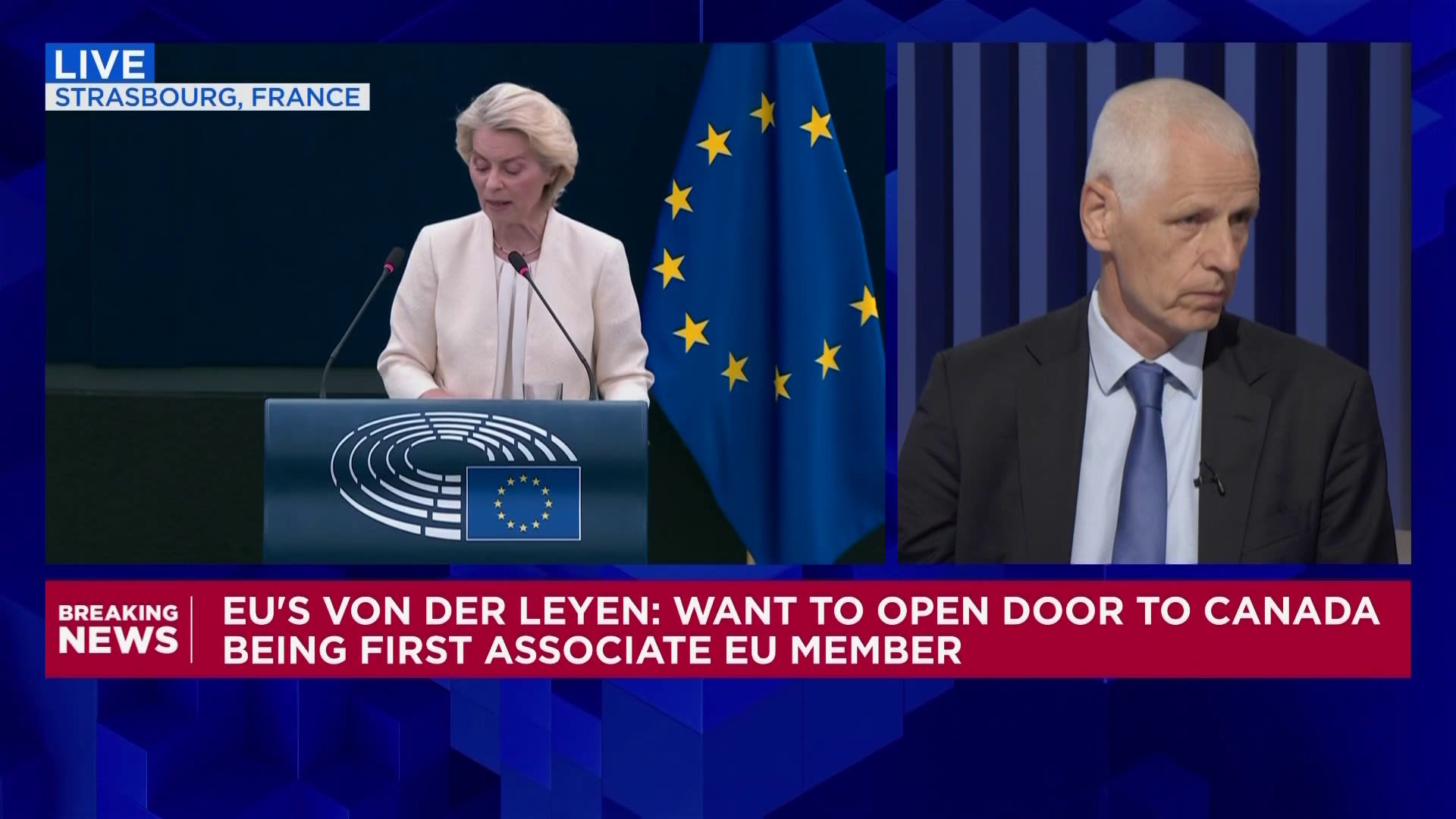
European Commission President Ursula von der Leyen announced that the European Union is prepared to make Canada the first associate member in the bloc’s history – a designation that has never existed for any country outside the 27-nation group. The statement marks a formal signal from Brussels that the EU is willing to structurally expand its orbit beyond full membership, creating an entirely new political and economic category with Canada as its inaugural test case.
The timing is significant.
The EU and Canada already operate under the Comprehensive Economic and Trade Agreement, known as CETA, which removed tariffs on the majority of goods traded between the two sides after it came into force provisionally in 2017. An associate membership arrangement would almost certainly deepen that relationship considerably – pushing cooperation beyond tariffs into areas like defense procurement, energy security, and regulatory alignment, where Canada and Europe have found increasing common ground as global trade patterns fracture along geopolitical lines.
What “Associate Member” Actually Means for Business
The EU has no formal legal template for associate membership. Countries like Norway, Iceland, and Liechtenstein participate in the EU’s single market through the European Economic Area agreement, accepting EU rules in exchange for market access without holding voting rights or seats at the Council. Switzerland has a patchwork of bilateral treaties covering similar ground. Canada, under this new framework, could land somewhere in that same constellation – deep economic integration without full political union – though von der Leyen’s framing suggests the EU is thinking about something more deliberately constructed for Canada’s specific situation.
For Canadian businesses, the practical implications would depend entirely on what sectors fall inside the arrangement. If financial services, agriculture, and professional licensing are included, Canadian firms would gain a degree of access to the EU’s 450 million consumers that goes beyond what CETA currently provides. European companies operating in Canada would benefit from the same expanded runway. Supply chains that currently deal with documentary and regulatory friction at the border could operate with significantly lower overhead, particularly in manufacturing and pharmaceuticals where EU standards carry global weight.
The EU’s internal political calculus is also worth watching. Any associate membership treaty would need approval from the European Parliament and ratification in member states – the same ratification process that has delayed the full implementation of CETA for nearly a decade due to objections from countries including France and Belgium over agricultural provisions. A new, broader arrangement with Canada would face that same gauntlet, and industries on both sides lobbying for or against specific provisions would shape the final terms as much as any diplomatic agreement between von der Leyen and Ottawa.

Canada’s Strategic Position Is Shifting Fast
Canada has spent the past several years navigating increasing pressure on its economic relationship with the United States, its largest trading partner by a wide margin. Tariff disputes, renegotiated terms under the Canada-United States-Mexico Agreement, and broader uncertainty about North American trade policy have pushed Canadian officials to accelerate diversification efforts toward Europe and the Indo-Pacific. Von der Leyen’s associate membership offer lands directly into that strategic opening.
The EU, for its part, has been reconfiguring its own external trade posture. After suspending talks with Mercosur and facing friction with the United States over steel and aluminum tariffs, Brussels has leaned harder into partnerships with countries that share its regulatory philosophy and democratic governance standards. Canada, which sits in the G7 and aligns closely with EU positions on everything from climate disclosure rules to digital privacy law, fits the profile the EU has been looking for in a deepened partner.
Associate membership, if formalized, would also carry symbolic weight in financial markets. Investors who currently treat Canada-EU trade as governed by CETA’s still-incomplete implementation would be pricing in a structurally tighter relationship – one with fewer political reversal risks and more durable institutional backing. That changes how multinationals plan cross-Atlantic investment and where they locate regional headquarters to serve both markets simultaneously. Canadian energy exporters, particularly those in liquefied natural gas, have already seen European interest spike since 2022; a formal associate membership framework would add institutional permanence to what are currently deal-by-deal arrangements.
The Road Ahead Is Long, but the Door Is Open
Von der Leyen’s declaration is the beginning of a process that could take years to negotiate and longer still to ratify across all 27 EU member states – and the final shape of any associate membership agreement will be determined less by the headline announcement than by the fights over agriculture, services, and labor mobility standards that happen behind closed doors long after the press conference ends. What exactly Canada is being invited into remains, at this point, an open question with a historic label attached to it.