



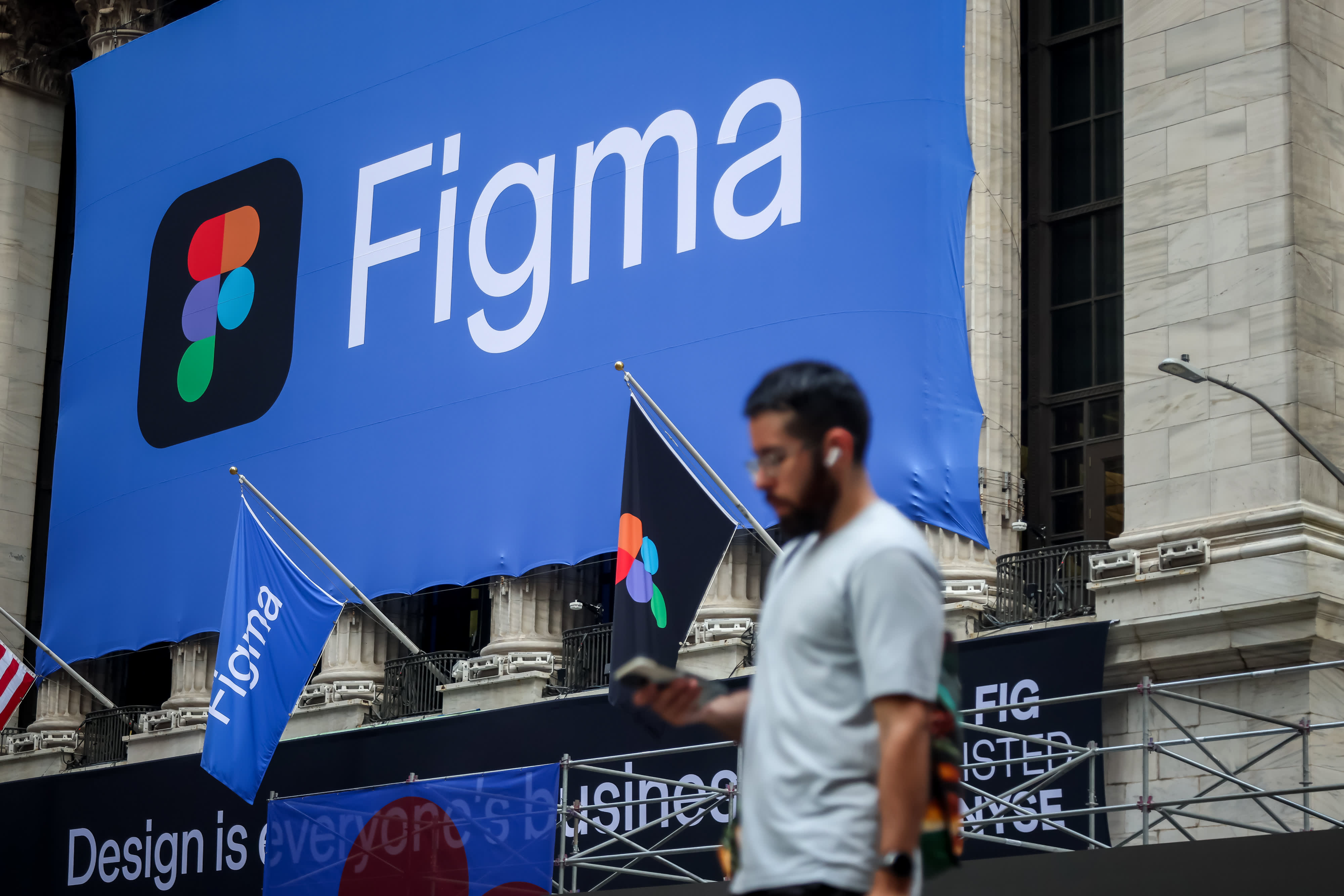
Figma cleared expectations in its third-quarter report on November 4, 2026, and its stock fell anyway. The cause was not the quarter itself but a decision about what comes next: the design software company will let customers use more of its artificial intelligence features without raising what they pay.
Management is framing the change as an investment in the long term. Investors, at least on the day of the report, treated it as a cost they would have to carry first. A company that beats on earnings and still sinks is telling you where the market’s attention sits, and it is not on the quarter just finished.
A Good Quarter Is Not the Same as a Good Signal
A beat tells shareholders that the past three months went better than forecast. It says little about the next several years, which is what a growth-stage software stock is priced on. When Figma shares dropped after the results, the market was looking past the reported figures to the pricing choice attached to them. A company that gives customers more capability at the same price is, in the short run, accepting a trade: value goes to users now, and any payoff to shareholders has to arrive later.
That is an uncomfortable position for a stock to hold on earnings day.
What Giving Away More AI Does to a Price List
Software companies have long charged by the seat, with tiers that separate casual users from heavy ones. AI complicates that structure. Features that generate designs, suggest layouts, or automate repetitive work consume computing resources every time someone uses them, so heavier use can push up the cost of serving a customer. Holding the price flat while widening access means Figma is choosing to absorb that exposure rather than pass it along through higher tiers or usage fees.
The logic for doing so is about habit. A tool people reach for a dozen times a day becomes harder to replace than one they open occasionally. If AI features sit behind an extra charge or a tight allowance, many customers will ration their use, or never form the routine at all. Removing that friction pushes teams to build the features into their daily workflow, and workflow dependence is what keeps subscriptions renewing.
Competitive pressure sits in the background as well. When capable AI tools are easy to find elsewhere, charging a premium for similar functionality inside a design product invites customers to look around. Bundling more of it into the existing price takes that argument off the table and makes the core subscription look like better value at renewal time.

The risk is that the arithmetic runs the wrong way. If heavier AI use raises costs faster than retention or expansion lifts revenue, the company has given away margin for loyalty it would have kept anyway. Figma is wagering that engagement pays for itself over time. That wager cannot be settled by one earnings report, which helps explain why the shares moved the way they did.
The Investor’s Dilemma
Shareholders in a company like this face a split question. One camp sees a business choosing durability over a quick lift in revenue per customer, a decision that tends to look wise only in hindsight. The other sees a company with a freshly reported beat that could have kept its pricing power intact and chose to loosen it instead. Both readings are reasonable, and the stock’s decline shows which one carried the day on November 4.
The decision also changes how the next few reports will be read. Gains from AI-driven engagement are harder to measure than seat counts or revenue lines. Until the benefits show up in retention, expansion, or margins, each quarter will invite the same debate over whether the giveaway is paying off or just costing money.
What Comes After the Announcement
The plan depends on a chain of events that has to hold together. Customers must use the added AI features often enough to change how they work. That usage has to translate into renewals and larger contracts. And the extra computing expense has to stay small enough that the gains outrun it. A break at any link weakens the case, and the company has said only that it expects the strategy to lift results over the long term.
For customers the shift is simple: more capability, same bill. For Figma, it removes a lever it could have pulled to raise revenue per account, and it is not obvious when or whether that lever would be reintroduced. A free allowance, once widened, is difficult to narrow without upsetting the people who came to rely on it.
So the question for the coming quarters is concrete. If Figma’s customers use the added AI features as heavily as the company hopes, will the revenue that follows be enough to cover what each of those requests costs to run?