


Houthi rebel attacks on civilian and energy infrastructure inside Saudi Arabia sent U.S. oil prices to their highest level in months, reviving fears about supply disruptions from one of the world’s most watched petroleum corridors.
What Happened in Saudi Arabia
A spokesman for the Saudi-led coalition operating in Yemen confirmed that Houthi rebels carried out strikes targeting both civilian sites and energy facilities within Saudi Arabia. The coalition reported that 73 people were injured in the attacks. No further breakdown of casualties by site type was immediately provided, though the confirmation that energy infrastructure was among the targets was enough to move markets sharply.
The Houthis, a Yemen-based armed group that has been engaged in a prolonged conflict with the Saudi-led coalition, have periodically struck at Saudi territory throughout the war. Attacks on energy infrastructure carry outsized market significance because Saudi Arabia remains one of the largest crude oil exporters in the world, and any credible threat to its production or distribution capacity tends to register immediately in futures prices.
The Saudi-led coalition has been fighting in Yemen since 2015, backing the internationally recognized Yemeni government against Houthi forces, which are aligned with Iran. That geopolitical backdrop means any escalation carries implications well beyond the two countries directly involved – particularly when strikes land on facilities connected to energy production or export.
The injury toll of 73 people reflects a significant strike, not a minor incursion. Whether those injuries were concentrated at the energy sites, the civilian locations, or spread across both has not been specified, but the breadth of the attack – hitting multiple categories of infrastructure simultaneously – is what drew the sharpest reaction from oil traders.
How Oil Markets Responded
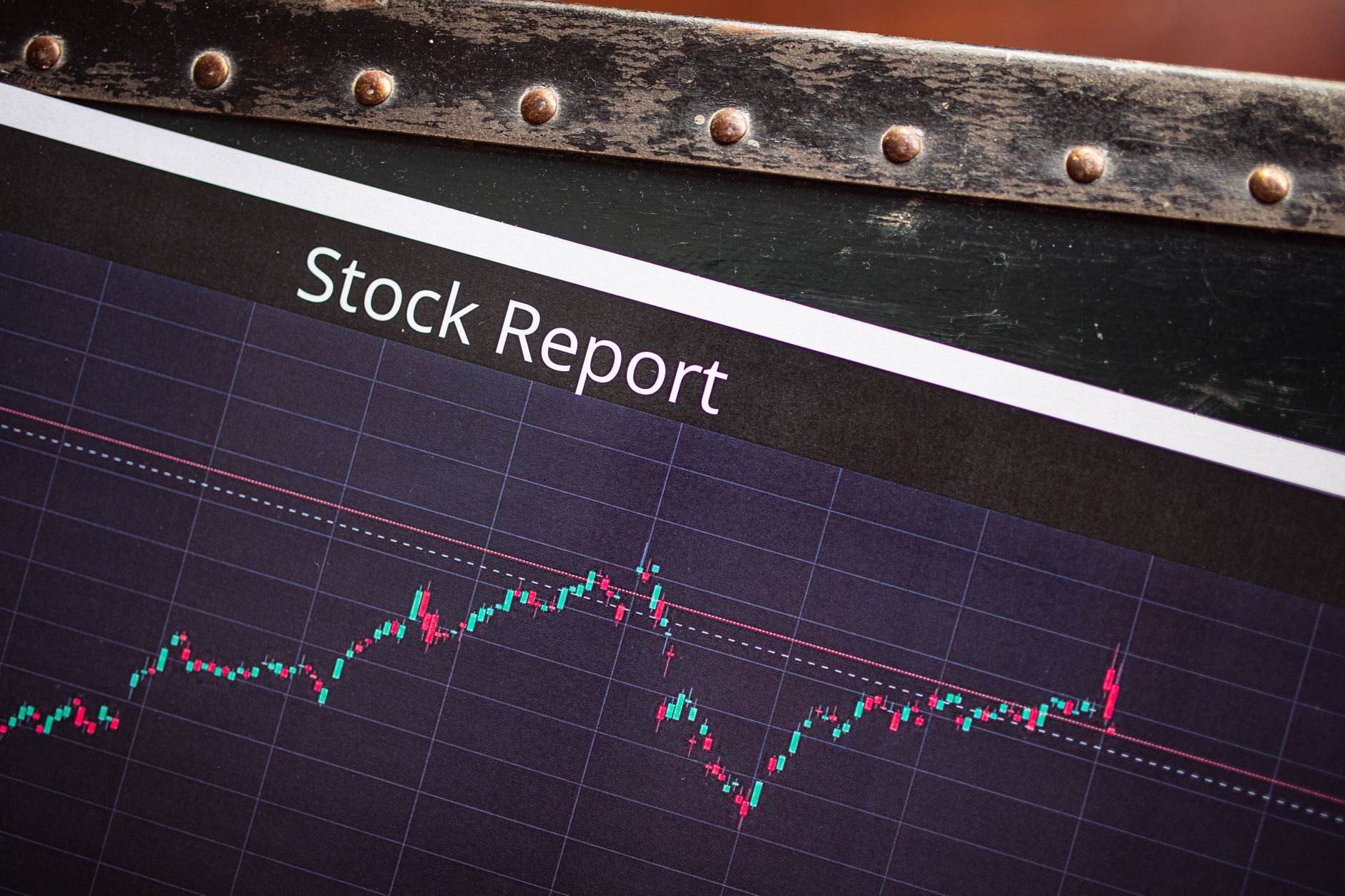
U.S. oil prices climbed to their highest point in over three months following the news. The move was driven by the straightforward logic of supply risk: when physical infrastructure in a major producing nation comes under attack, the probability that supply could be interrupted – even briefly – rises, and futures markets price that risk in immediately.
Energy markets have been operating in a heightened state of sensitivity for some time, with traders watching a range of geopolitical signals across the Middle East, Russia, and global demand trends. An attack of this nature, confirmed by an official coalition spokesman rather than through unverified reports, carries enough credibility to move prices without requiring further evidence of actual production damage.
The scale of the price move – reaching the highest level in more than three months – suggests that the market had not fully priced in the possibility of a strike this direct. Houthi attacks on Saudi Arabia have occurred before, but the targeting of energy sites specifically, rather than military infrastructure, triggers a different calculus among traders focused on supply continuity.
Oil prices feed directly into a wide range of downstream costs. Elevated crude levels eventually work their way through to gasoline, diesel, jet fuel, heating oil, and the transportation costs embedded in virtually every manufactured good. Diesel prices have already been climbing, and the pressure on consumer goods prices has followed. A sustained move higher in crude would compound that pressure further.
The speed of the market response also reflects how thin the buffer is between current global supply and demand. There is limited spare capacity sitting idle that could quickly offset a major disruption in Saudi output. That structural tightness means even the threat of a supply interruption – without confirmed production losses – is sufficient to push prices meaningfully higher. Markets are not waiting for damage assessments before adjusting.
What Comes Next

The coalition’s confirmation that both civilian and energy sites were struck sets up a politically charged moment. Saudi Arabia will face pressure to respond militarily, while also managing the international optics of a conflict that has drawn sustained criticism over civilian casualties on both sides. How Riyadh responds – and whether the Houthis attempt follow-on strikes – will determine whether this episode becomes a one-day market event or the start of a more prolonged period of energy-price volatility.
With 73 people injured and energy infrastructure confirmed as a target, the attack is not something the coalition can absorb without visible response. The question oil markets are now sitting with is whether what happened represents a one-time escalation or an opening move in a new phase of the conflict – and whether the next report out of Saudi Arabia will include numbers about barrels, not just casualties.