

A Diplomatic Stop With an Energy Agenda
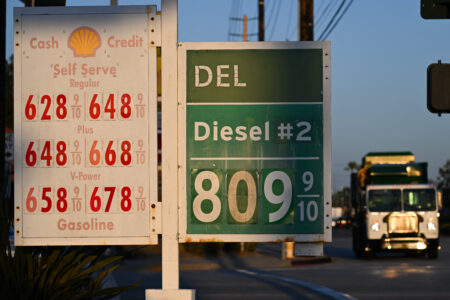
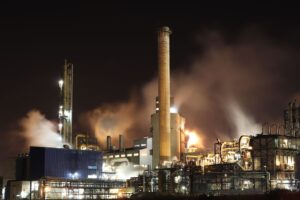
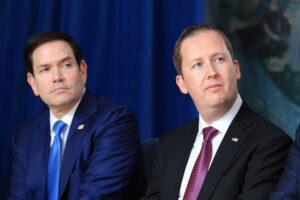
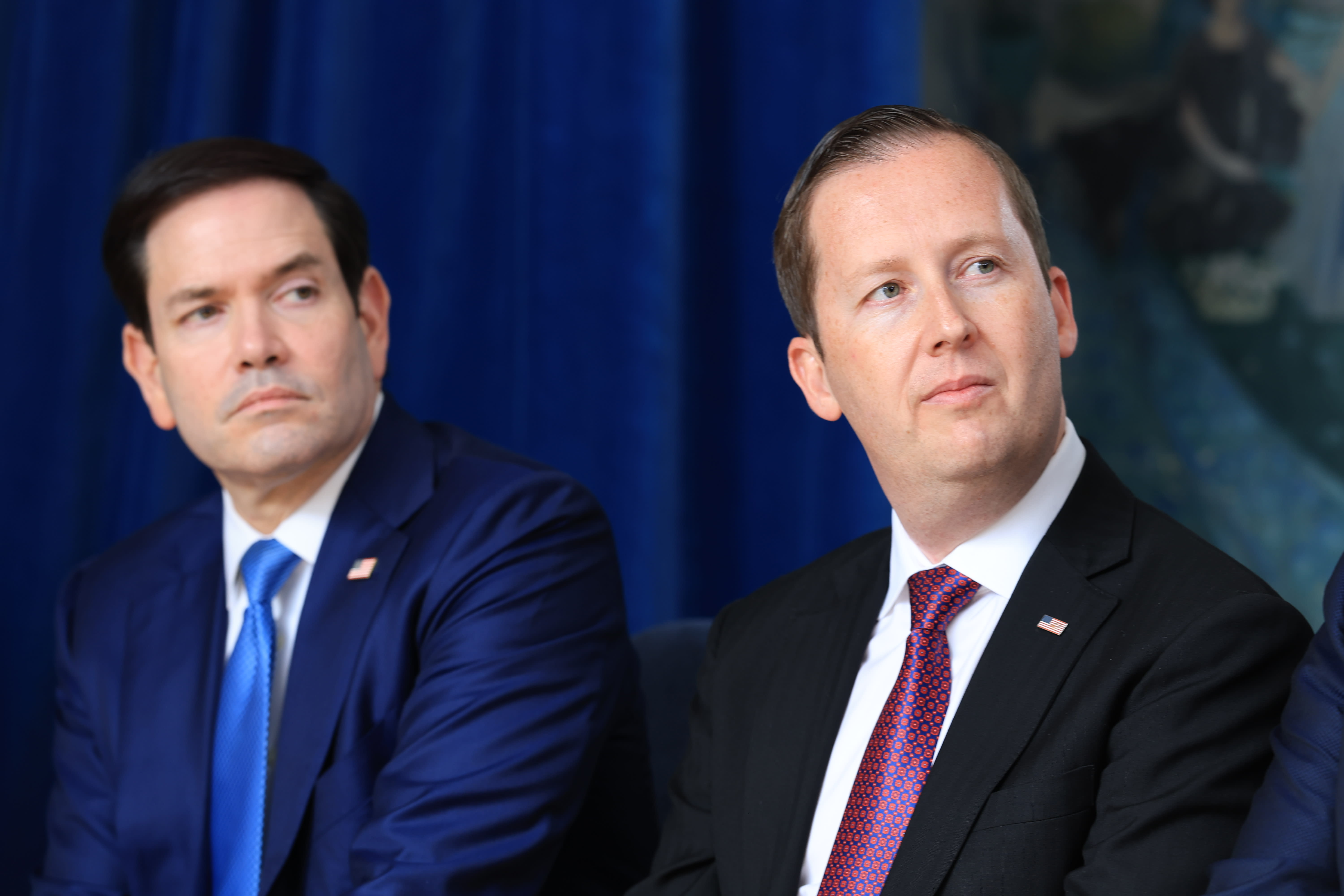
Marco Rubio’s visit to Mukesh Ambani’s Reliance Industries refinery in Jamnagar, Gujarat, is not a routine diplomatic gesture. With U.S. diesel prices rising, the stop carries a clear economic subtext – Jamnagar is now a facility that American officials apparently cannot afford to ignore. The refinery’s capacity to supply diesel at scale has made it a focal point at a moment when domestic fuel costs are pressuring households and businesses across the United States.
Reliance’s Jamnagar complex is already one of the largest refining operations in the world, and its position in global diesel markets has only grown more consequential as supply chains remain uneven following years of energy market disruption.
The visit signals that the relationship between U.S. energy policy and Indian industrial capacity has moved beyond the theoretical.
Reliance’s Expanding Reach – From Venezuela to the U.S.
What makes Reliance’s role more complex is the company’s simultaneous movement in multiple directions at once. Reliance is investing in a U.S. refinery – a direct financial commitment to American energy infrastructure – while also purchasing Venezuelan oil, a supply channel that sits awkwardly against Washington’s long-standing sanctions posture toward Caracas. Both moves are happening in parallel, and Rubio’s visit to Jamnagar puts the U.S. government in the position of engaging closely with a company operating in that contradiction.
Venezuela has long been a sore point in U.S. foreign policy, and any entity buying Venezuelan crude draws attention from Washington regardless of where it is headquartered. Reliance’s ability to source oil from sanctioned or politically sensitive producers while simultaneously deepening ties with the American energy market reflects the pragmatic calculus that major global refiners operate under – buy where the crude is available and cheap, sell where the margins hold.
Rubio, as Secretary of State, traveling personally to a private Indian refinery while diesel prices are elevated at home, suggests that the U.S. is weighing supply access more heavily than ideological consistency in this particular moment. That tension is unlikely to go unnoticed in diplomatic circles tracking the visit.

Why Jamnagar Specifically
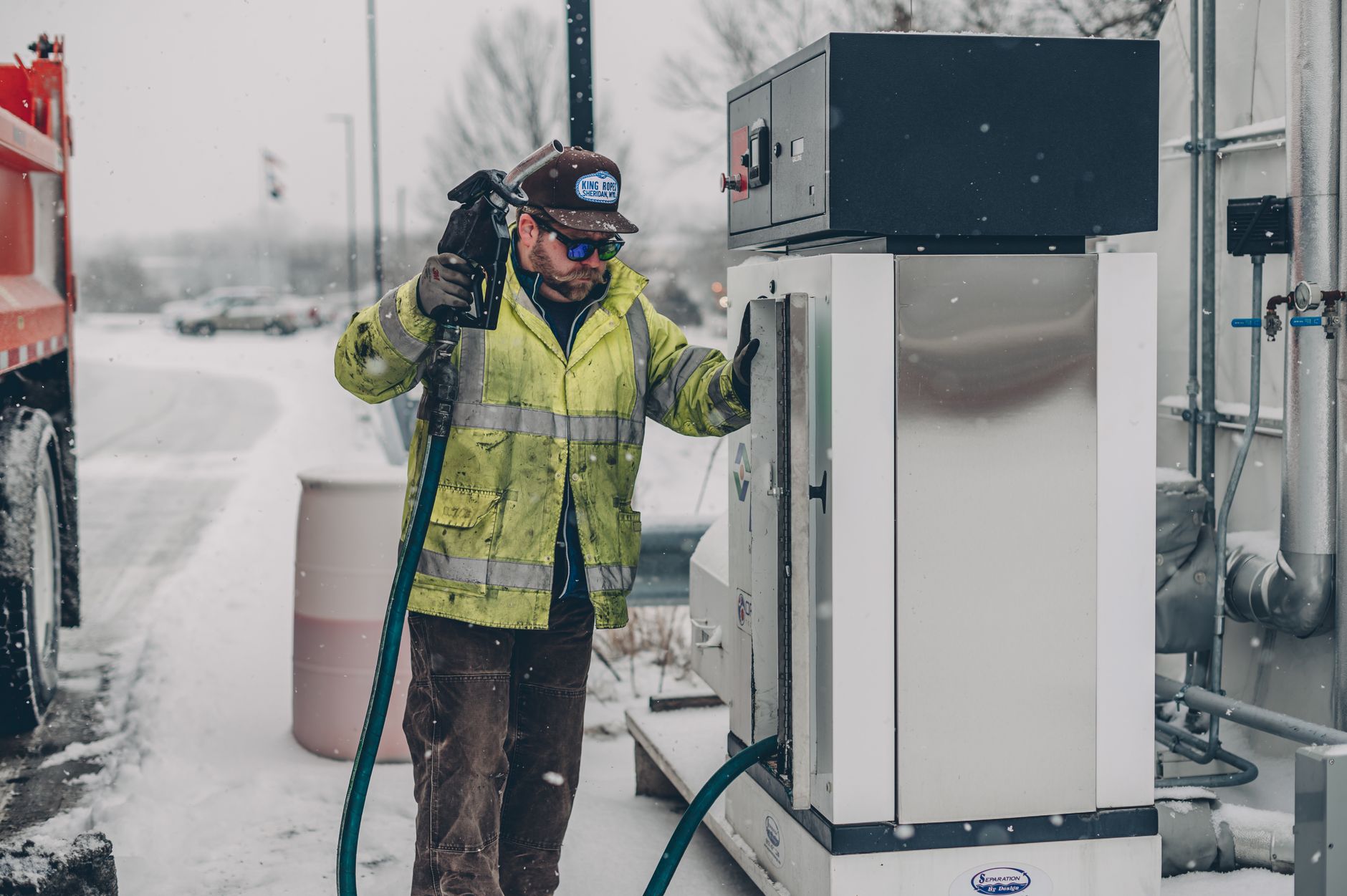
Jamnagar’s refinery is not just large – it is structured to handle a wide variety of crude types, which is precisely what gives Reliance flexibility that most refiners lack. That flexibility translates directly into diesel output, and diesel is the fuel that moves freight, powers agriculture, and heats homes in ways that gasoline does not fully replicate. When diesel prices surge in the U.S., the pressure falls on supply chains, trucking companies, farmers, and heating-dependent communities in a concentrated way.
Reliance’s strong ability to supply diesel is what put Jamnagar on the map for this visit. That is a straightforward acknowledgment that the refinery’s technical capabilities and output are relevant to a problem the U.S. is currently experiencing domestically.
India and the United States have been building energy and defense ties steadily, and a stop at Ambani’s flagship industrial site fits within a broader bilateral framework. But the diesel pricing context gives the visit an urgency that a purely diplomatic reading would understate. Rubio is not visiting a museum of Indian industry – he is visiting one of the facilities that could theoretically influence how much Americans pay to fill up a diesel truck or heat an oil-dependent home this winter.
What the Visit Leaves Unresolved
The optics of a senior U.S. official touring a refinery owned by one of the world’s wealthiest individuals – while that same company buys Venezuelan crude – raises questions that a single diplomatic visit cannot answer. Does the U.S. intend to formally ease restrictions on Venezuelan oil if Reliance’s purchases are deemed acceptable within the context of energy security? Is the investment Reliance is making in a U.S. refinery part of a broader quid pro quo being shaped at the diplomatic level? Neither the visit itself nor the available facts resolve those questions.
What is visible is the arithmetic: diesel prices are high in the U.S., Reliance controls refining capacity that produces diesel at scale, and Rubio is standing inside that facility.