


A Fuel Crunch With No Near-Term Exit
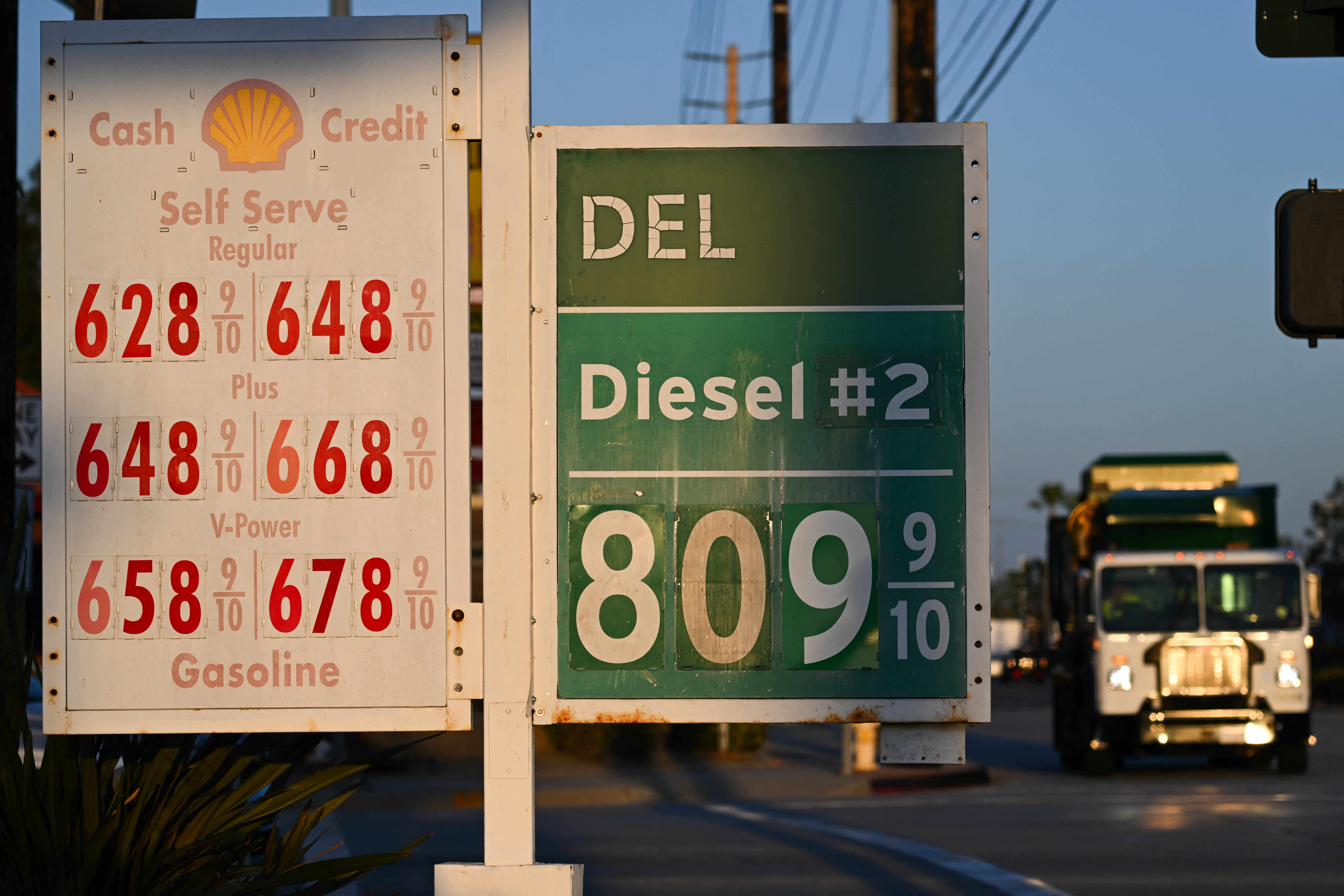
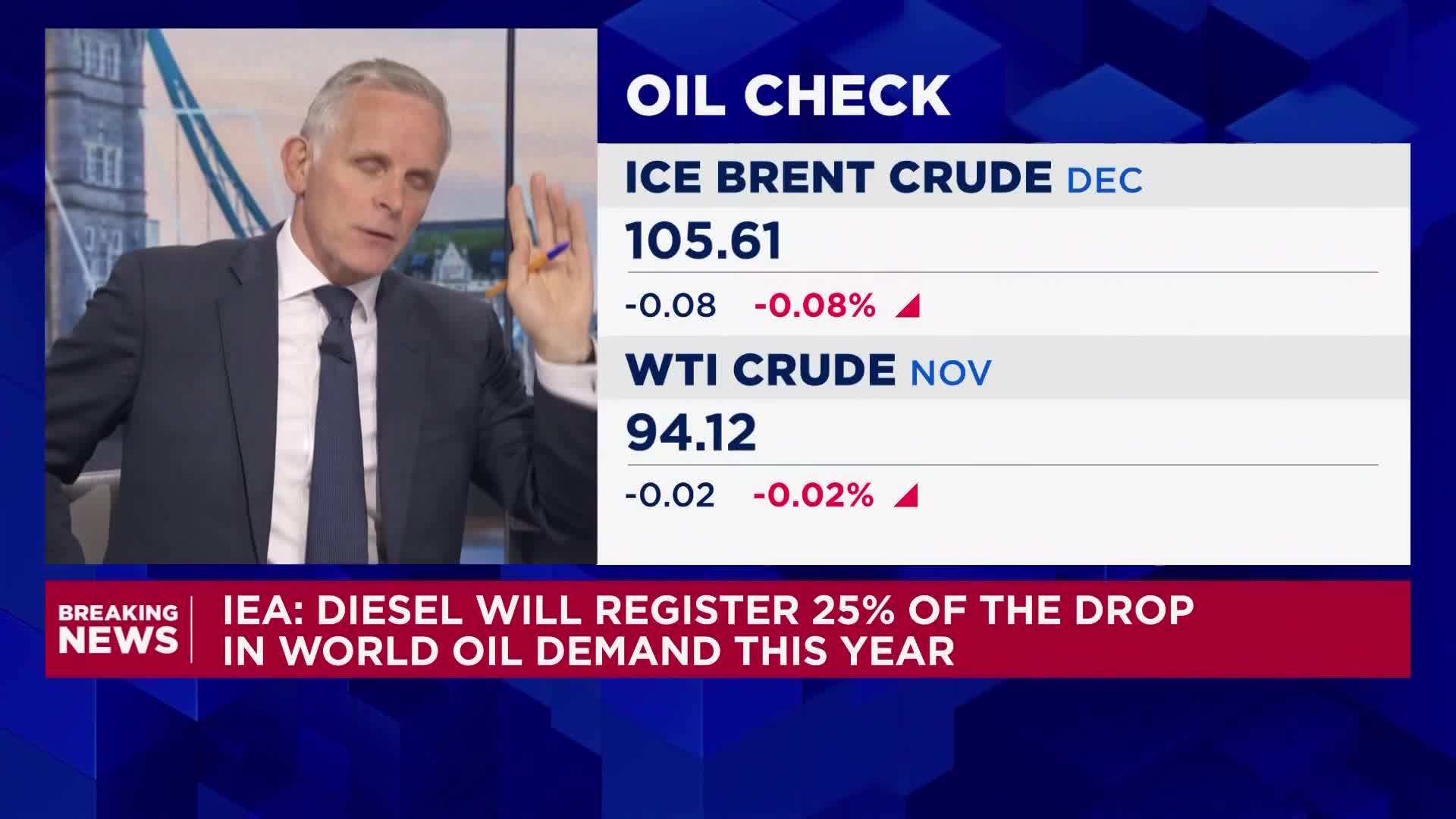
The global diesel market is not recovering anytime soon. The International Energy Agency has warned that tight supply conditions will persist well into 2027, driven by a combination of war-related disruption tied to Iran, falling inventories, and demand that has refused to soften the way many energy analysts had anticipated. For industries that run on diesel – freight, agriculture, construction, manufacturing – the message from the IEA is essentially a prolonged hold: costs stay elevated, availability stays constrained, and the usual buffers look thin.
This is not a short-term blip.
Diesel underpins a disproportionate share of the physical economy. Unlike gasoline, which is primarily a consumer fuel, diesel moves goods. It powers the trucks that deliver retail inventory, the farm equipment that produces food, and the generators that keep industrial sites running when grid power fails. When diesel gets expensive and hard to source, the pressure shows up across supply chains in ways that are slow to appear but stubborn once they do.
What the IEA Is Seeing in the Data
The IEA’s assessment points to three overlapping forces. First, the conflict involving Iran has disrupted supply in ways that the agency expects to extend into 2027. The specifics of those disruptions – whether through production constraints, shipping route complications, or sanctions-related trade realignment – compound an already strained refining landscape. Iran has historically been a meaningful player in global oil flows, and conflict-related interference with those flows does not resolve quickly even after active hostilities ease.
Second, inventories are falling. Stockpiles act as a buffer between supply disruptions and end-user prices. When inventories decline, that cushion shrinks, and any additional shock – a refinery outage, a demand spike from a harsh winter, a new geopolitical flare-up – has an outsized impact on prices. The IEA’s concern about inventory levels signals that the market has less room to absorb surprises than it did even a year ago. Low stockpiles going into a winter heating season, when distillate demand traditionally rises, is a particularly uncomfortable combination.
Third, demand has remained resilient. This matters because part of the original market thesis after oil price spikes was that high prices would eventually suppress consumption, giving supply a chance to catch up. That compression has not materialized at the scale needed to rebalance the diesel market. Industrial activity in key consuming regions has held up well enough to keep demand from falling, and that sustained consumption pressure makes any supply-side recovery slower to translate into market relief.
Who Carries the Weight of Higher Diesel Prices
The trucking sector absorbs the most direct hit. Fuel is typically the single largest operating cost for long-haul carriers, and unlike airlines – which hedge fuel costs aggressively through financial instruments – many trucking companies, particularly smaller independent operators, have limited hedging capacity. When diesel prices rise and stay elevated, smaller carriers face a choice between absorbing margin compression or pushing fuel surcharges onto shippers. Shippers, in turn, face pressure to pass those costs downstream. The chain is long and the final link is almost always the consumer.
Agriculture is a second major exposure point. Diesel powers planting, irrigation, and harvesting equipment across virtually every large-scale farming operation. Extended periods of high diesel costs raise the input cost base for food production, which filters into grocery prices over successive seasons. The lag between fuel cost increases and food price increases can be six months or more, meaning that the IEA’s 2027 timeline for market tightness could push agricultural cost pressure into the following year’s food inflation figures.
Industrial and construction sectors face similar dynamics. Heavy equipment runs on diesel. Project timelines and cost estimates built on lower fuel assumptions get revised upward or quietly absorb losses. For capital-intensive projects already dealing with elevated materials costs and tighter financing conditions, another persistent input cost headwind is a real margin problem – not a theoretical one. Developers and contractors who locked in fixed-price contracts before the IEA’s current forecast will be the most exposed.

How Long Markets Can Hold the Line
Energy markets have been here before – stretched supply, geopolitical disruption, demand that does not cooperate with forecasts – but the 2027 horizon the IEA is drawing is notable for its length. Most commodity supply squeezes resolve within a few quarters as producers respond to price signals, alternative supply routes open up, or demand weakens. A multi-year outlook for continued tightness implies that the structural forces at work here are not easily redirected. Refinery capacity, unlike a pipeline or a shipping lane, takes years to build. The Iran-related disruption sits within a broader Middle East context that has already proven resistant to rapid diplomatic resolution.
What makes this moment different from past diesel crunches is the simultaneous pressure from all three drivers the IEA identified. In isolation, any one of them – supply disruption, low inventories, resilient demand – would push prices higher but allow for eventual adjustment. Running all three together, with no clear near-term resolution on the geopolitical side, creates a situation where the usual corrective mechanisms work more slowly and with less effect.
Governments in heavy diesel-consuming economies are watching. Subsidy programs, strategic reserve releases, and emergency procurement policies have all been deployed during past fuel crunches. Whether any of those tools get activated – and by whom – will depend partly on how rapidly the IEA’s 2027 forecast starts translating into visible price pressure at truck stops and fuel depots rather than staying confined to agency reports and commodity desk projections.
The IEA’s forecast does not predict a crisis. It predicts a grind – and for businesses that run on diesel, the distinction may feel academic by the time winter demand peaks again and inventory levels are tested against a market that has almost no slack left in it.