


Oil Prices Drop, but the Harder Question Is Whether Moscow Can Deliver
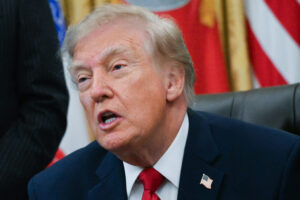
Oil prices fell as diplomatic noise around a potential Ukraine-Russia energy ceasefire grew louder, offering markets a brief exhale after months of war-driven volatility. The Trump administration has pushed the idea of an “energy ceasefire” as a stepping stone toward broader peace negotiations – a framework that would pause attacks on energy infrastructure on both sides. But the price drop may be premature, because the deal’s architecture depends on Russia meeting supply commitments it may not have the capacity to keep.
The gap between a political announcement and actual barrels flowing is where these negotiations tend to collapse.
Saudi Arabia sits at the edge of this arrangement, as it almost always does when global oil supply becomes a diplomatic instrument. Whether Riyadh adjusts output in response to any ceasefire agreement – or uses the moment to reclaim market share – will shape how durable the price move turns out to be. For now, traders are treating the diplomatic signal as meaningful. That confidence may not survive contact with the operational realities on the ground in Russia.
What an “Energy Ceasefire” Actually Means – and What It Doesn’t
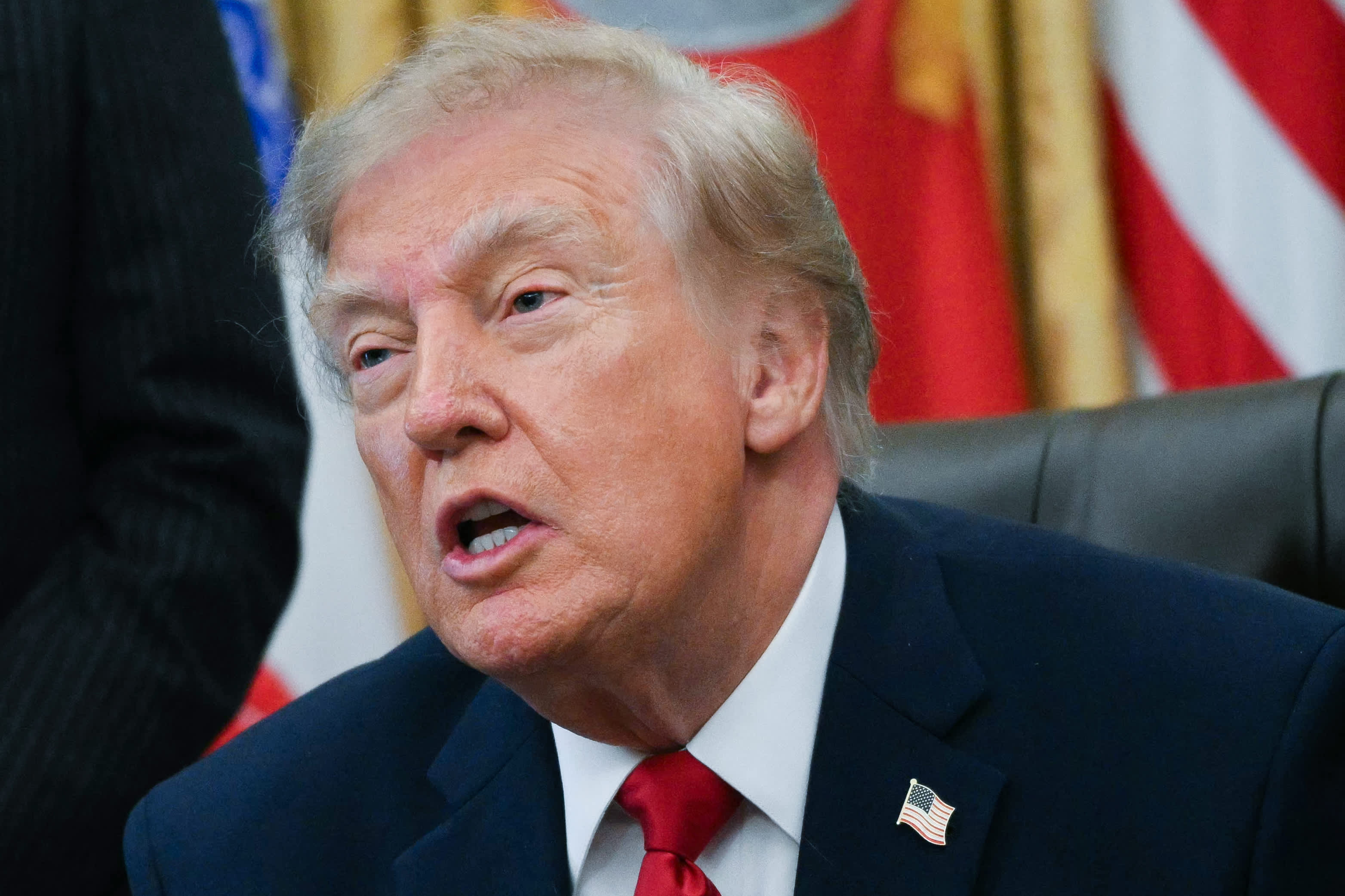
The term “energy ceasefire” refers specifically to halting strikes on power plants, pipelines, and fuel storage facilities – infrastructure that both Ukraine and Russia have targeted throughout the war. It does not mean a full halt to hostilities, and the Trump administration has not framed it that way. The logic is that protecting energy infrastructure creates a humanitarian benefit on the Ukrainian side while giving Russia relief from drone attacks that have disrupted its own export operations.
Russia’s oil export infrastructure has taken repeated damage over the course of the conflict. Refineries have been hit. Terminals on the Black Sea have faced Ukrainian strikes. The cumulative effect has complicated Moscow’s ability to consistently move product to market, even as it has rerouted significant volumes through India and China following Western sanctions. An energy ceasefire, from Moscow’s perspective, would reduce operational risk on that front – which is likely why the Kremlin has engaged with the idea at all, rather than dismissing it outright.
But engagement is not the same as capacity. Even if Russia agrees in principle to the supply terms embedded in Trump’s proposed deal, delivering on those terms requires infrastructure that has been degraded, a logistics network operating under sanctions pressure, and a workforce that has been stretched by wartime mobilization. The optimism baked into today’s oil price movement does not account for any of that. It accounts for the announcement, not the execution.

Saudi Arabia’s Role and the Supply Math That Doesn’t Quite Add Up
Any energy arrangement touching Russia and Ukraine inevitably pulls Saudi Arabia into the calculation. The kingdom controls the most readily available spare production capacity in the world, and OPEC+ – which Saudi Arabia effectively leads alongside Russia – has spent the past two years managing output cuts to defend prices. A ceasefire that stabilizes Russian exports and removes some war-risk premium from oil markets would push prices lower, which creates a direct conflict with Saudi Arabia’s fiscal interests.
Riyadh needs oil prices in the range of $80 to $90 per barrel to balance its national budget under current spending plans, including the capital-intensive Vision 2030 infrastructure projects that Crown Prince Mohammed bin Salman has staked his domestic credibility on. A meaningful price drop driven by Russian supply normalization would force a choice: accept lower revenue, or cut OPEC+ production further to put a floor under prices. Neither option is clean. Cutting production while the U.S. is pressuring for lower energy prices puts Saudi Arabia in direct friction with Washington, which is a position Riyadh typically tries to avoid.
The supply math is further complicated by the question of what Russia is actually capable of exporting under a ceasefire scenario versus what it is promising. Moscow has historically overstated its near-term production flexibility, and the war has added genuine structural damage to that picture. If Russia commits to supply volumes it cannot meet, the ceasefire’s economic rationale breaks down quickly – and oil markets, which are already treating the diplomatic development as partially resolved, would have to reprice in the other direction. Xi Jinping’s recent signaling on U.S.-China relations adds another layer of geopolitical complexity to global energy demand forecasts, given China’s position as the primary destination for sanctioned Russian crude.
Markets Moved. The Fundamentals Haven’t Yet.
Oil prices respond to headlines faster than pipelines get repaired or sanctions regimes get unwound. The current price decline reflects what traders want to be true – that a ceasefire holds, that Russian supply normalizes, and that the war’s disruption premium gradually evaporates from the market. What it does not reflect is a worked-out verification mechanism for the ceasefire, a clear timeline for any supply ramp-up, or any resolution of the sanctions architecture that Western governments have built up over three years. Those sanctions were designed to be difficult to remove quickly, and the political will to do so – particularly in Europe – is not yet visible.
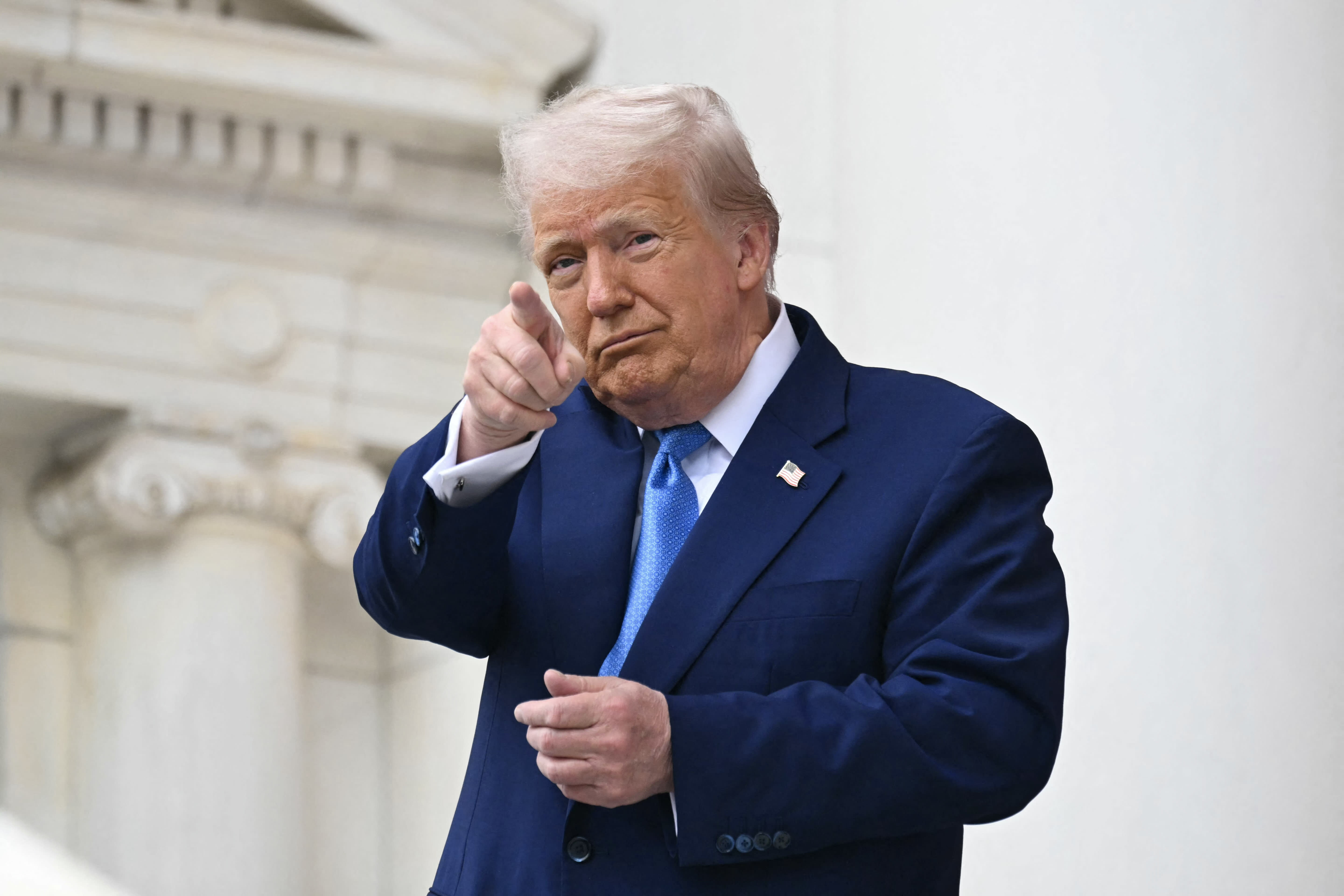
Trump’s push for an energy ceasefire is, at its core, a bid to use oil market stability as a confidence-building measure between two parties that have given each other almost no reason for confidence. It is not without logic. Energy infrastructure attacks have caused civilian suffering on the Ukrainian side and export disruption on the Russian side – both parties have something to gain from stopping them. But wanting a deal and being able to verify and enforce one are entirely different problems, and the administration has not publicly addressed how compliance would be monitored or what the consequences of a violation would be.
For now, oil markets have voted with prices. What happens when the first refinery gets hit after a ceasefire is declared – or when Russia’s export numbers come in short of what the deal requires – is a question that no one involved in the announcement has answered publicly.