

A Major Leadership Shift at Davos Could Be Taking Shape
Christine Lagarde, who has led the European Central Bank through years of volatile inflation cycles and successive interest rate battles, is being positioned as a potential future president of the World Economic Forum, according to Swiss newspaper NZZ. The report, published Sunday, suggests the move could happen at some point in 2027.
Lagarde is “ready to serve” the WEF, NZZ reported.
If the transition materializes, it would mark one of the more consequential leadership changes in global economic governance in recent memory – moving a sitting central bank chief toward one of the world’s most visible platforms for political and business dialogue, without the direct policy levers that come with running a major monetary institution.
What the WEF Role Would Actually Mean
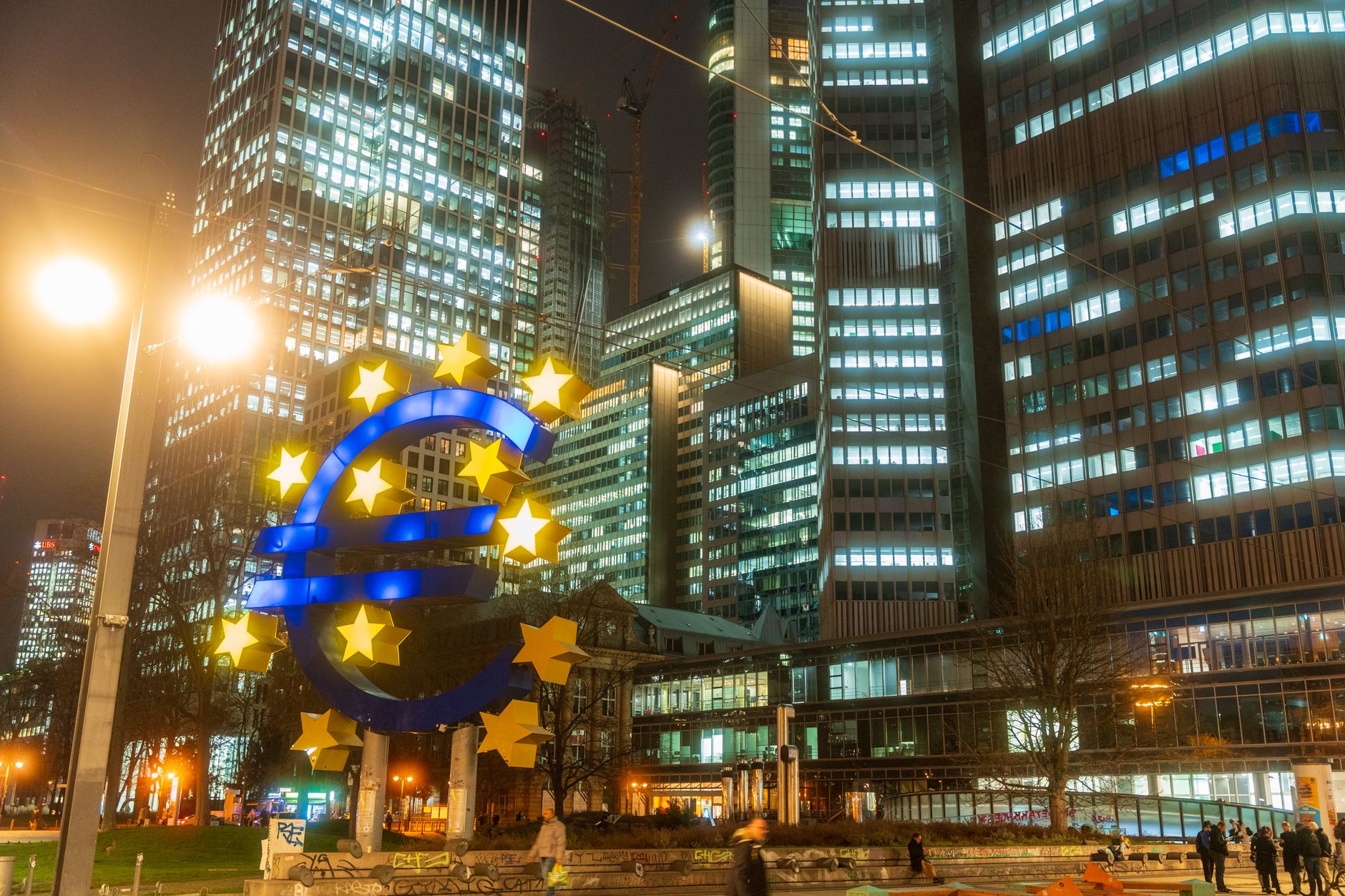
The World Economic Forum, best known for its annual gathering of heads of state, chief executives, and senior financiers in Davos, Switzerland, operates differently from the institutions Lagarde has spent decades inside. The ECB sets interest rates, manages the eurozone’s monetary framework, and wields direct influence over borrowing costs for hundreds of millions of people across member states. The WEF, by contrast, shapes conversations – convening power rather than binding authority.
That distinction matters when assessing what a Lagarde presidency at the WEF would look like in practice. Her credibility in financial markets, built across her tenure at the ECB and before that as managing director of the International Monetary Fund, would give the Forum a figure with genuine institutional weight rather than the ceremonial prestige that sometimes defines such appointments. Whether that translates into expanded influence for the WEF as an organization is a separate question entirely.
The reported 2027 timeline aligns with the natural conclusion of Lagarde’s current position. Her ECB term runs through late 2027, meaning a transition to the WEF would follow rather than interrupt her current role – assuming the reporting holds and any formal arrangement is finalized in the interim.
Lagarde’s Path and What It Signals
Lagarde has spent the better part of two decades at the center of global economic policymaking. She joined the IMF in 2011 and guided the institution through sovereign debt crises and prolonged recovery periods before moving to Frankfurt in 2019 to take over from Mario Draghi at the ECB. Under her watch, the ECB moved rates at a pace that would have been unthinkable in the low-inflation era that preceded her tenure – hiking aggressively through 2022 and 2023 before pivoting toward easing as inflation in the eurozone began to recede.
Her potential move to the WEF is notable not just for what it says about her own next chapter, but for what it suggests about the Forum’s ambitions. The WEF has faced recurring questions about its relevance and whether its annual gathering produces anything beyond well-photographed panel discussions. Bringing in a figure with Lagarde’s institutional background would signal an attempt to anchor the organization more firmly in substantive economic policy circles rather than functioning primarily as a networking event for the global elite.
NZZ, the Zurich-based newspaper that broke the story, has long covered Swiss and European financial affairs closely. Its sourcing on WEF matters – given the Forum’s Geneva-area headquarters – carries reasonable proximity to the organization’s internal deliberations, though no official confirmation has emerged from either the ECB or the WEF as of the report’s publication.

Lagarde’s office has not publicly commented on the NZZ report, and the WEF has not issued a statement confirming or denying the account. What’s clear is that her name is now formally attached to the conversation – and in the world of institutional appointments at this level, that rarely happens without some underlying basis for it.